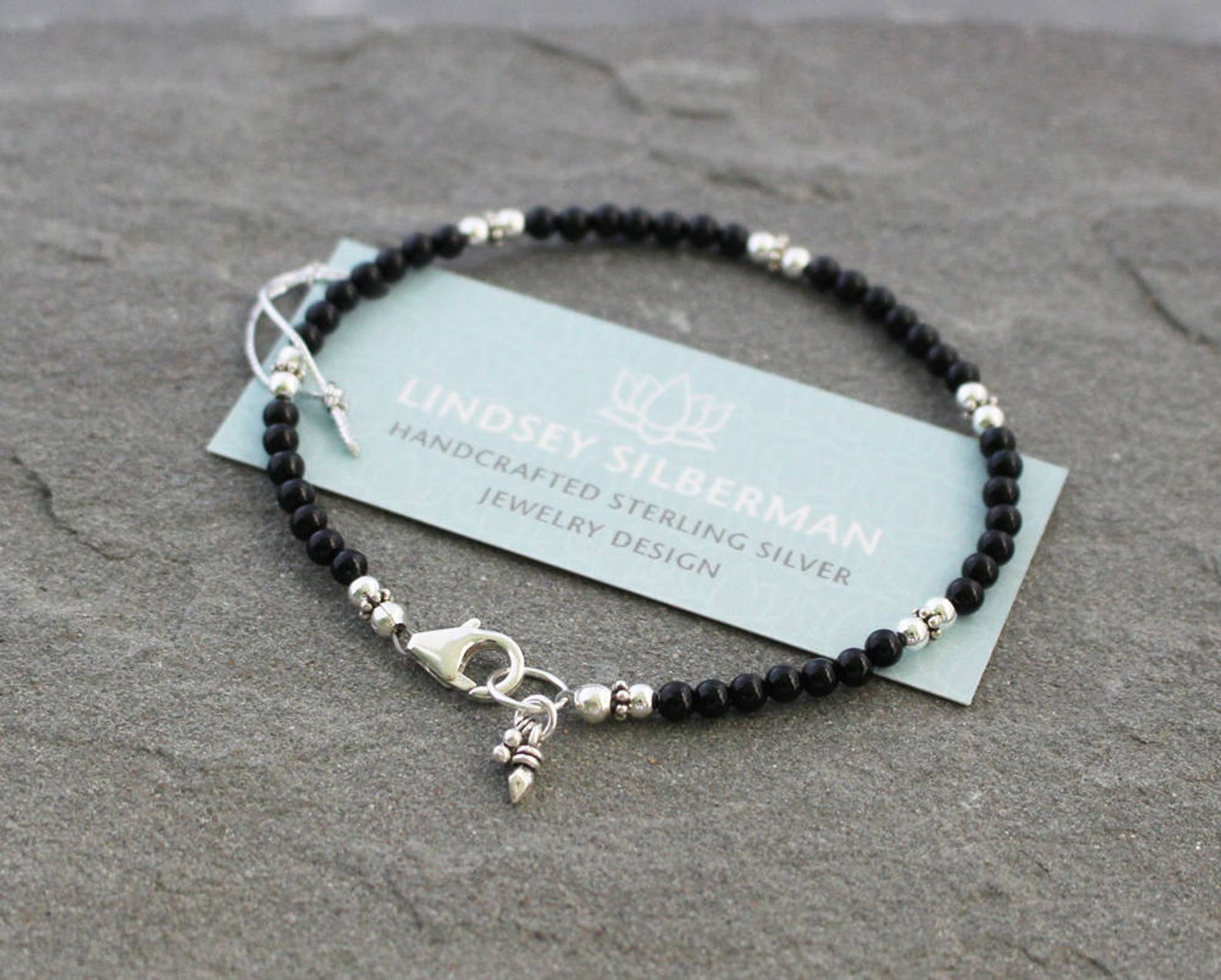
 How To Clean Sterling Silver, Necklaces, Rings And Earrings? There are steps you can take to avoid tarnishing your jewelry. Slowly but surely the jewelry will begin to look discolored and dirty. Regardless of whether you have purchased sterling silver rings, a necklace or bracelets you might be interested in how to keep it looking gorgeous. That’s why cleaning your jewelry the right way is crucial. Here are some tips on how to clean each type without risking damage. The simple reason for this is tarnishing. You won’t even want to wear it anymore. Why Does Sterling Silver Tarnish? Sterling silver is one of the most popular types of jewelry due to its minimal aesthetic and timeless appeal. For instance, you should make sure that you wipe down your jewelry when you put it away and ensure it is completely dry. Have you recently purchased some beautiful sterling silver jewelry at a great price from JCunicorn? It is the copper that reacts to salt, oxygen and moisture, causing discoloration over time. With the best cleaning practices your sterling silver jewelry necklaces, rings and earrings will stay stunning and keep their sparkle. However, it’s also one of the most neglected. Certain products are likely to tarnish your jewelry. Can You Prevent Sterling Silver Jewelry Tarnishing? The more you wear your jewelry, the less likely it is to tarnish as the natural oils on your skin will keep it clean. Typically, sterling silver jewelry will be 7.5% copper. If sterling silver is exposed to oxygen and sulfur then it will become tarnished. As such it must be maintained and cared for the right way. Sterling silver jewelry like necklaces, rings and earrings is precious. This guide explains how to keep your jewelry clean without damaging it.
Now let’s look at the best way to clean sterling silver items. You can mix white vinegar and baking soda to clean sterling silver earrings. If soap and water aren’t enough to get rid of stubborn signs of tarnish, then consider using baking soda instead of soap. You can use good old-fashioned soap and water. Do note that this process will work well with any sterling silver bracelets that you might own as well. For this option, you’ll need a ½ cup of lemon juice with just 1 tablespoon of olive oil. There are lots of natural remedies that people swear by to clean sterling silver rings. If you notice tarnish on your sterling silver necklace, then you can try oil and lemon juice. Using a microfiber cloth, you can clean all the different parts of the item. It’s advisable to try this option with any sterling silver jewelry – backtoglamour.com – you own before any others because it avoids the risk of damaging other parts of a jewelry item such as the stone. This is an option worth considering with ammonia and phosphate-free dishwashing soap. You only need a tiny pea-sized amount of the paste created from the baking soda. You can then use a soft-bristled toothbrush to ensure that you are reaching all the different areas of the ring or necklace.
You’ll then need to dry it carefully before storing it.

Traditional bracelet-making techniques have been passed down over generations around the world.
 How do you say it? Even natural grasses lend themselves to a jeweler’s creativity while art glass beads and pendants can be made from discarded bottles. Most bracelets with natural, sustainable or recycled materials are handmade. Some artisans reclaim precious silver from photographic negatives. Handmade women’s bracelets each have their own unique characteristics. Similarly, filigree jewelry is a meticulous handcrafted process. Get them in 2-4 business days! As molten gold or silver is poured into the mold, the wax image melts and the metal takes its place. Artisans the world over utilize the natural materials at their disposal to create beautiful, sustainable jewelry. Even some of the most sophisticated and modern gold and silver may be signed by the artist who made it.The most common indicator that a bracelet is handmade is the detailed and intricate design. Traditional bracelet-making techniques have been passed down over generations around the world. Wood, bamboo and dried gourds. Leather bracelets with cutout motifs or embossing are usually crafted by hand.Thai jewelry by Karen silversmiths shows hand-stamped geometric or floral motifs and beads are usually made of fine silver, which is more malleable than sterling. Coconut shells, rattan and terra-cotta. Often, the technique alone will tell you, for example, hand-knotted, braided or woven bracelets. Always creative, artists craft their bracelets out of innovative, eco-conscious materials. Color, texture, size and design all vary. The image is sculpted in wax and enveloped in a mold materia. Women’s bracelets in gold and silver are usually crafted with the lost wax technique. Colorful magazine pages can become tightly-rolled beads protected by a coat of varnish.