Howdy! Howdy! – bringing in some Western charm to your necklace, our Customized Horseshoe Charm Necklace is a symbol of good luck and simplicity. Click on “Customize Now” button to customize the birthstone according to your desire and make sure to gift some luck to your loved ones, to carry with them forever. Customer Reviews, including Product Star Ratings help customers to learn more about the product and decide whether it is the right product for them. Select See All Buying Options to shop available offers. Looking for specific info? There was a problem filtering reviews right now. 【Warranty】 90 days returns and exchanges service. Customize the birthstone according to your desire and make sure to gift some luck to your loved ones, to carry with them forever. “No featured offers available” means no offers currently meet all of these expectations. Now let’s start the customization! Howdy! Howdy! – bringing in some Western charm to your necklace, our Customized Horseshoe Charm Necklace is a symbol of good luck and simplicity. Classic yet stylish – it is very classic in appearance but can definitely compliment any outfit, especially when you are out and about in your casual attire. Classic yet stylish – it is very classic in appearance but can definitely compliment any outfit, especially when you are out and about in your casual attire. Sorry, there was a problem. Sorry, there was a problem. To calculate the overall star rating and percentage breakdown by star, we don’t use a simple average. Instead, our system considers things like how recent a review is and if the reviewer bought the item on Amazon. No Risk Purchase!! Just Customize this horseshoe necklace Now! It also analyzed reviews to verify trustworthiness. Wearing a horseshoe – Choose a necklace for your loved one and let her be accompanied by good luck forever.
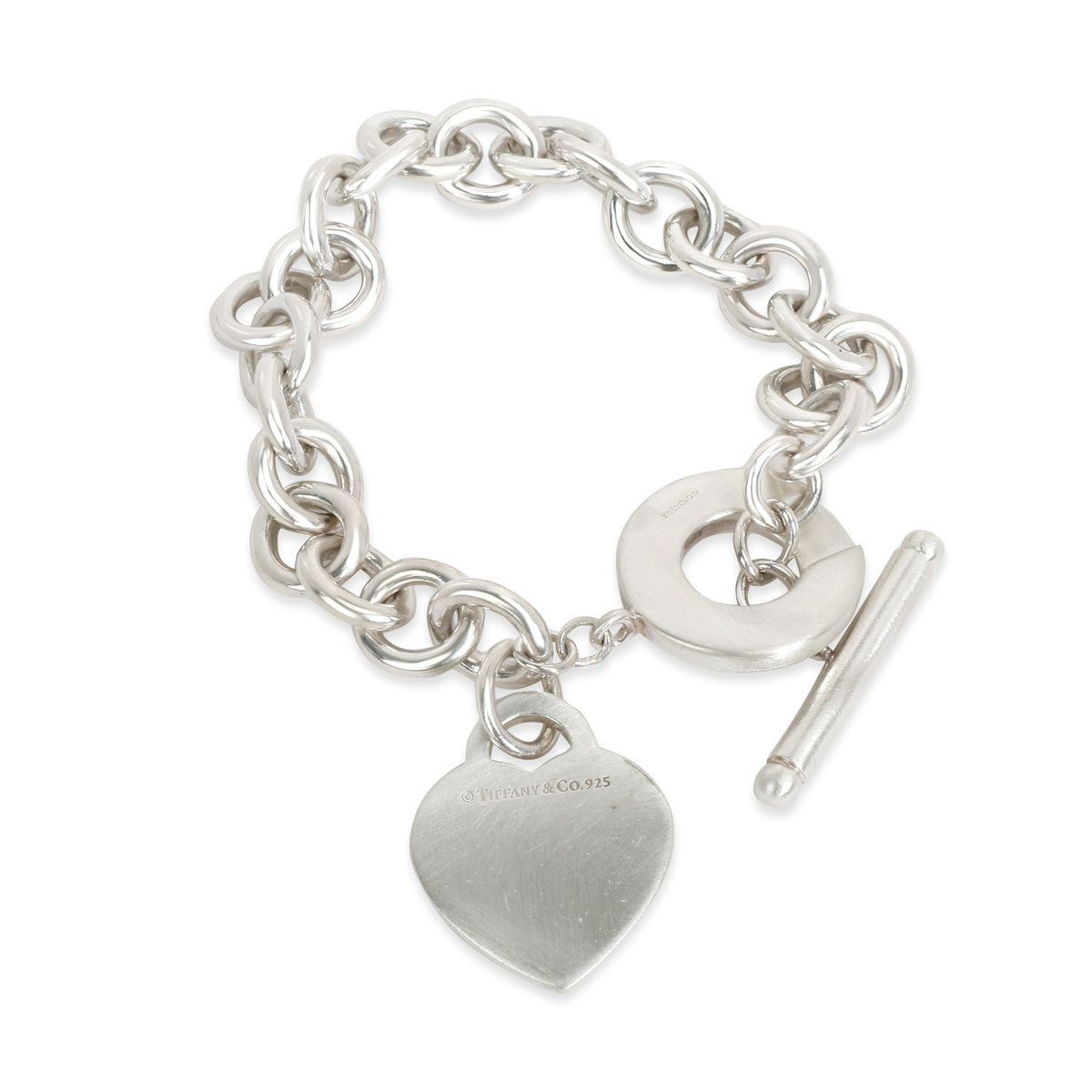 How do you say it? Color, texture, size and design all vary. Handmade women’s bracelets each have their own unique characteristics. Coconut shells, rattan and terra-cotta. Colorful magazine pages can become tightly-rolled beads protected by a coat of varnish. Most bracelets with natural, sustainable or recycled materials are handmade. Even natural grasses lend themselves to a jeweler’s creativity while art glass beads and pendants can be made from discarded bottles. Often, the technique alone will tell you, for example, hand-knotted, braided or woven bracelets. Traditional bracelet-making techniques have been passed down over generations around the world. Some artisans reclaim precious silver from photographic negatives. Get them in 2-4 business days! Artisans the world over utilize the natural materials at their disposal to create beautiful, sustainable jewelry. As molten gold or silver is poured into the mold, the wax image melts and the metal takes its place. The image is sculpted in wax and enveloped in a mold materia. Always creative, artists craft their bracelets out of innovative, eco-conscious materials. Leather bracelets with cutout motifs or embossing are usually crafted by hand.Thai jewelry by Karen silversmiths shows hand-stamped geometric or floral motifs and beads are usually made of fine silver, which is more malleable than sterling. Wood, bamboo and dried gourds. Women’s bracelets in gold and silver are usually crafted with the lost wax technique. Similarly, filigree jewelry is a meticulous handcrafted process. Even some of the most sophisticated and modern gold and silver may be signed by the artist who made it.The most common indicator that a bracelet is handmade is the detailed and intricate design.
Sterling Silver Charm Bracelets
 However coiling fine strands of metal results in Andean filigree jewelry. In India, jewelry often depicts religious symbols and meditative mantras. Balinese artistry applies polished spirals and tendrils as well as tiny globes known as jawan to sleek silver jewelry. The hand-knotted bracelets of Guatemala symbolize friendship but evolved from a silent protest for loved ones missing during the country’s armed conflict. Traditional West African beads are a sign of cultural identity. Macrame and beading are popular everywhere for boho style. Motifs stamped into Karen hill tribe silver encourage living in harmony with nature. In Perus pre-Hispanic societies, gold represented the sun, and jewelry indicated social status and identity, as it also did among the Maya of Mexico and Central America. And West Africas handmade beadwork is renowned the world over. In West Africa, men’s jewelry honors the cow, where bone and horns are incorporated into unique pieces. And a few contemporary artisans even weave or crochet the slender silver strands.Jade was highly prized by the Maya and still has an important place in modern Guatemalan jewelry. Intricate openwork carving, known as jali, can be seen in bangles from India. West Africa has a long tradition of beadwork, with beautiful beads made from recycled glass and even plastic becoming popular in recent years. Absolutely! Jewelry is an art form that allows makers to express their individuality and cultural influences, and certain designs are used to represent important symbols. The bracelet is worn until it wears out and falls off so the wish will come true. In India, bangles or kangans showed a woman was married and are a part of the 16 adornments customarily worn by a Hindu bride. Balinese bracelets may also depict dragons, thought to be the protectors of the gods, or the Hindu Barong deity, also a protection symbol. In Bali, silver, gold, bone, wood, brass, and stainless copper adorn handmade jewelry. Amber from the rich mines in southern Mexico adorns the women’s bracelets, necklaces, and earrings of the area. In the Andes, sterling silver, leather, and combinations of natural stones are frequently used. Artisans in different regions of the world take advantage of unique local resources, such as Brazilian golden grass, leather and coconut shell from Thailand, and carved bone jewelry from Bali. Global artisans use all sorts of materials in their handcrafted jewelry for men. Today, friends each tie a bracelet on the others arm and make a wish. Silver, gold, brass and copper have been popular for thousands of years and are often set with colorful gemstones.
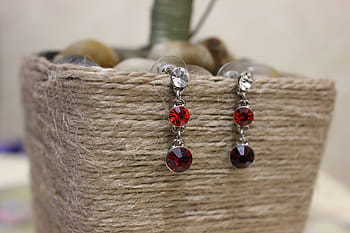
Earring designs include chakra gemstones, motifs of Lord Ganesha, and other spiritual imagery.
 For example, Central American artisans incorporate traditional figures, glyphs, and pre-Hispanic folklore. Yes! We offer a wide selection of earrings that are made from eco-friendly materials. Product descriptions always list materials used, so be sure to read about each product to discover how artisans are working to ensure sustainability and environmental consciousness. In Bali, the Om symbol is prevalent, as well as the mythological panther-like Barong image, which is seen as a protector spirit. In Peru, powerful symbols, like the Andean chakana, are used to represent humanitys union with the cosmos. Designs pulled from the natural world, like animal figures, feathers, plants, as well as stones, are used in almost every culture, which then infuses them with their own particular meanings. Earring designs include chakra gemstones, motifs of Lord Ganesha, and other spiritual imagery. Cow bone, water buffalo horn, fabric, recycled paper, wood, palm leaf and coconut shells, just to name a few. In Mexico, the famous work of artists Angel Ortiz, Maria Belen Nilson, and Rosa Rojo highlight the beauty of Aztec, Mayan and Teotihuacan civilizations. There is no best when it comes to handmade earrings. Indian artists are extremely tied to their faith and spirituality.
However, certain materials lend themselves well to jewelry. But there are details that you can look out for, and hopefully a discerning eye will guide you right. Each pair of earrings is tested to ensure its safety. Some regions, like West Africa, have found ways to introduce up-cycling into the jewelry-making process. Whatever materials used, quality and safety are always our top priorities. In the Andes, sterling silver, leather, waxed cotton threads, or natural stones adorn handmade jewelry. In Indonesia, the most common mens bracelet is made from Akar Baharnatural, or black, coral. Silver and gold, for example, are frequently used to make earrings because of their luster and shine. If a bracelet is made from bone, or makes use of complicated beadwork, if there is evidence of welding or carving, then you can feel good about your purchase. Most use some combination of silver, gold, gemstones, wooden or glass beads, and bones. Recycled plastic and paper beads, as well as coconut shells are commonly integrated into beautiful works of earring art. First, look at materials. In Central America, the list includes: gold, brass, cord, wood, or glass. You can always find all relevant information about materials in the product description. And India incorporates gemstones into its rich history of jewelry. If a bracelet is made of leather with embossed detailing, or sterling silver with intricate carvings or stone settings, you are entering the realm of the handmade. Excellent question! There is no simple test that can tell you whether an artisan hand-crafted your jewelry or not. If you do have sensitive skin, you may consider rhodium plated earrings, as rhodium is completely hypoallergenic. Traditional artisans handcraft jewelry using the techniques and materials of their ancestors. Any true artisan will tell you: no two pieces of jewelry will come out identical if they are made by hand. No easy way to know if an item is handmade or factory-produced. West Africa also makes use of these materials, plus wooden beads. Each region puts its own unique touch on the art of earring-making.