A criminal network is feared to have targeted castles and historic sites throughout the UK – and got away with £2.2million of irreplaceable artefacts. It had been all quiet at the palatial Sudeley Castle, Gloucestershire, on the morning of September 9, 2019, when four men entered the grounds. One force investigating another £1million raid at a medieval castle has admitted its connection to other historical thefts ‘have not been ruled out’. Lookout man Clinton Bowen, 41, stayed with an accomplice outside while two others broke into the property. It means some of those missing historically significant pieces could be lost forever. A display case was smashed and jewellery and artefacts worth £127,000 from the Alice Keppel Collection were snatched. He was jailed for four years in October 2020, but his accomplices and the treasures from the raid have never been found. Items with high raw metal items, such as gold or silver, may have been melted down to make money more easily. Operation Opal, the police initiative which coordinates national heritage and serious organised acquisitive crime, declined to comment. Among the crooked haul are treasures originally collected by the great-grandmother of the Queen Consort Camilla as well as Mary Queen of Scots’ rosary beads. He was identified by his DNA on a ‘snood’ which he left behind in the Castle gardens after the burglary on Sept 9th last year. They headed straight to the Royal Sudeley 1,000, Trials, Triumphs and Treasures exhibit, Bowen had cased out a day earlier. They sped off in a 4×4 vehicle but Bowen had been caught on CCTV the day earlier and a snood with his spit was found in the grounds. But the nature and targets of the five crimes – coupled with the fact at least four known offenders are still missing – suggest a possible link. An enamel and rose gold fob watch by Cartier and gold cigarette case by Faberge are also missing in the thefts. Their haul included numerous snuff boxes, an enamel & rose gold fob watch by Cartier and Gold cigarette case by Faberge.
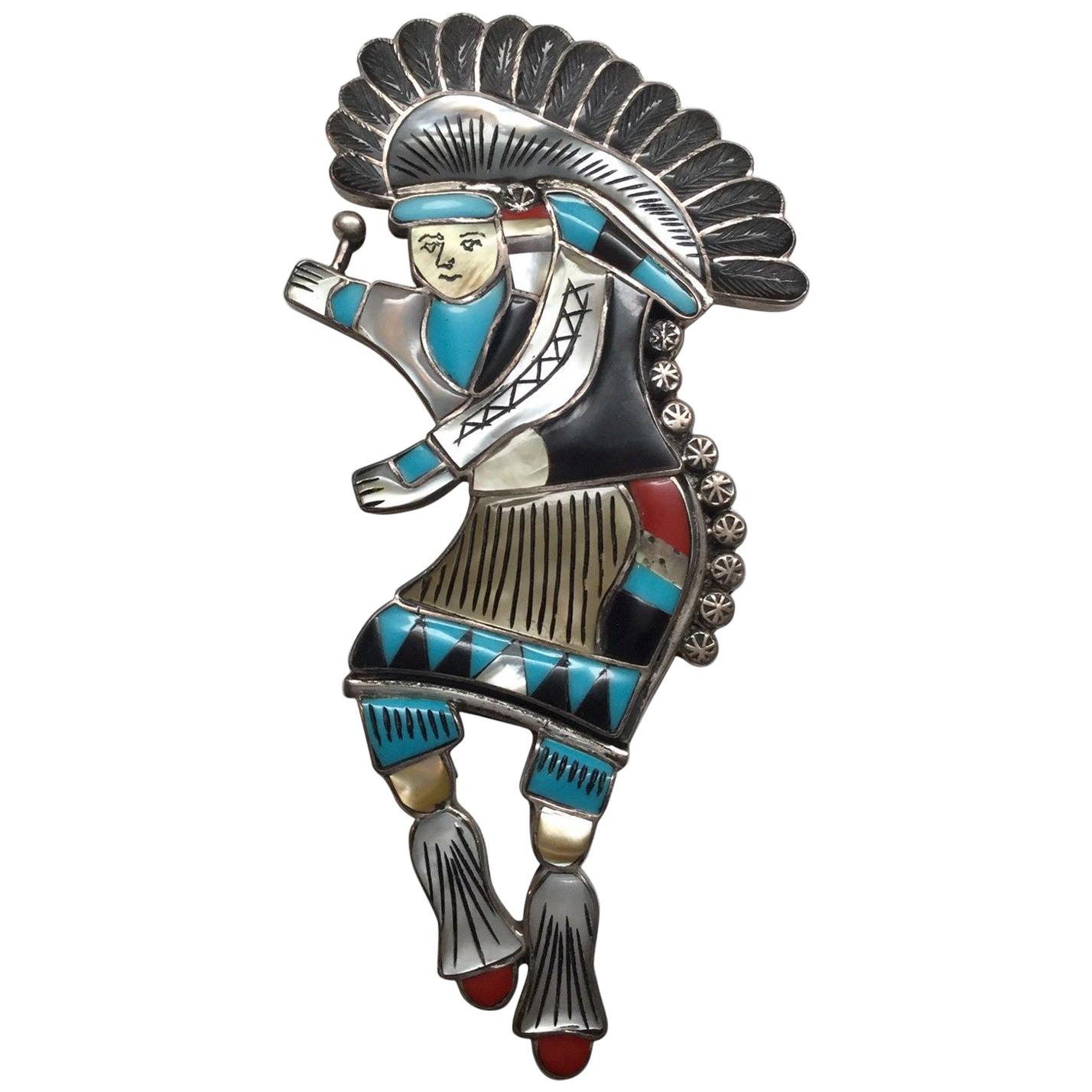
Beads Dakota Sterling Silver Opal
 How Should You Find Adorable Sterling Silver Pendant Necklace Online? Well, quality is everything that one should be really concerned about and in order to be sure about the quality of the product it is important to buy it from an authorized and a legitimate company. Of course, there are many vendors that offer finest quality pendants at an affordable price. Necklaces, rings, bangles and myriad of other ornament types have been amid the hot possessions for femininity. Their availability in countless number and distinguished shapes and sizes makes it pretty much to bring home something that you really like. Be sure about your choice! However, following points should rightly be considered before hitting the market for bringing home a finest produce. Likewise, necklaces have always been all time favorite ornament for the ladies as they carry it with their head held up high. Jewelries and precious stones have always been alluring the beauty of womanhood ever since ages now and there is simply no paradox in the same. Today the market flaunts whole hosted varieties of such ornaments, which makes it inevitably difficult to make a best pick amid the available options. Since these adornments are readily available in the market, one should have a keen eye upon the authenticity and genuineness in order to cut short the chances of being cheated to nil. The simplicity and dapperness of these charms cannot be overlooked anyways.
 Lovingly crafted sterling silver pendant necklace makes up for a perfect gifting idea for almost any age. Fine silver, which is 99.9% pure silver, is relatively soft, so silver is usually alloyed with copper to increase its hardness and strength. Apart from this, when you are quite really sure about your needs then you tend to save substantial amount of time by striking just the right chord. Sterling silver is an alloy of silver containing 92.5% by weight of silver and 7.5% by weight of other metals, usually copper. This will give you a rough idea about the ongoing market prices. 1300) with the explanation that the coin was originally made by moneyers from that region. Price comparison is a considerable factor in this very regard which ensures that you are being overcharged for something. 1142) uses the Latin forms libræ sterilensium and libræ sterilensis monetæ. Of course, you cannot buy all the variants! In 1260, Henry III granted them a charter of protection. Byzantine solidus, originally known as the solidus aureus meaning ‘solid gold’ or ‘reliable gold‘. The British numismatist Philip Grierson disagrees with the “star” etymology, as the stars appeared on Norman pennies only for the single three-year issue from 1077 to 1080 (the Normans changed coin designs every three years). Since these ornaments are available in countless denominations, it is relatively important to stand firm and certain about what you really need. 1300) with the explanation that the coin was originally made by moneyers from that region. Their Kontor, the Steelyard of London, was called Easterlings Hall, or Esterlingeshalle. However, if the company stands out to be a highly reputed one that deals in just the finest products then paying a little extra is not a big deal for it ensures for an uncompromised quality. By 1854, the tie between Easterling and Sterling was well-established, as Ronald Zupko quotes in his dictionary of weights. Use the Internet tools and compare the prices of the products offered by the companies. Such elements include germanium, zinc, platinum, silicon, and boron. If you’re to gift sterling silver pendant necklace to your beloved then make sure that it lingers in her heart forever. All in all, if you really want to play clever then aforementioned criterion might help you in bringing out just the best solutions.
 In support of this he cites the fact that one of the first acts of the Normans was to restore the coinage to the consistent weight and purity it had in the days of Offa, King of Mercia. Recent examples of these alloys include argentium, sterlium and silvadium. The word in origin refers to the newly introduced Norman silver penny. This would have been perceived as a contrast to the progressive debasement of the intervening 200 years, and would therefore be a likely source for a nickname. Another argument is that the Hanseatic League was the source for both the origin of its definition and manufacture, and in its name is that the German name for the Baltic is Ostsee, or ‘East Sea’, and from this the Baltic merchants were called “Osterlings”, or “Easterlings”. Because the League’s money was not frequently debased like that of England, English traders stipulated to be paid in pounds of the Easterlings, which was contracted to sterling. The Hanseatic League was officially active in the London trade from 1266 to 1597. This etymology may have been first suggested by Walter de Pinchebek (c. One of the earliest attestations of the term is in Old French form esterlin, in a charter of the abbey of Les Préaux, dating to either 1085 or 1104. The English chronicler Orderic Vitalis (1075 – c. The claim has been made in Henry Spelman’s glossary (Glossarium Archaiologicum) as referenced in Commentaries on the Laws of England by William Blackstone. According to the Oxford English Dictionary, the most plausible etymology is a derivation from a late Old English steorling (with, or like, a ‘little star’), as some early Norman pennies were imprinted with a small star.