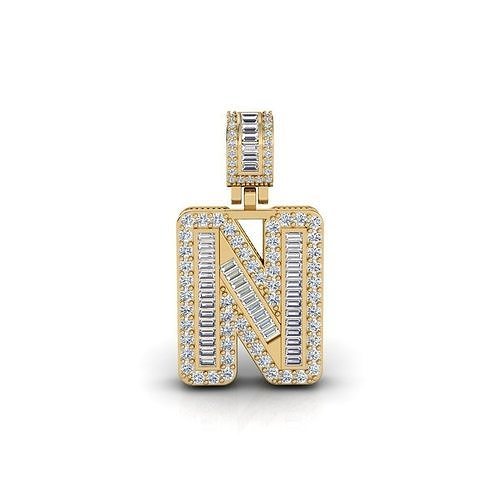
 The words “cheap” and “engagement ring” seem at odds with one another. An important thing to consider when customizing cheap engagement rings is the center gemstone: for affordable rings, you should seriously consider not including a diamond in the final product (or at least several very small, low carat diamonds). More importantly, how would your future spouse answer these questions? After all, this is their ring, not yours (you are just the one paying for it). The best way to lower the overall cost of your ring is to customize one instead of buying a preset. Gold (backtoglamour.com) or platinum are the old standbys as far as the types of metals used in traditional engagement rings, but these can be expensive (especially platinum). If you follow the tips outlined below, you will be on your way to learning the secrets to finding affordable engagement rings. It simply means that you will be driving down costs as much as possible while still maintaining the integrity of your purchase: these tips on finding cheap engagement rings will not instruct you to buy plastic engagement rings! Sterling silver (visit the next site) is often overlooked as a viable option, but when cost-cutting is at the forefront, it quickly becomes the best option available. When one considers all the costs that go along with a modern wedding, they typically think of the engagement ring and the wedding dress as being among the most expensive. Not only is it an inexpensive material, but it also looks great. Another good way to lower the price tag on cheap rings is to not include a gemstone at all: sometimes, a modest metal band is enough to do the trick. Do you think less is more? Cheap engagement rings are rare – as you see, your best bet is to have your own made from a selection of considerably less expensive materials available. Instead you may want to select another gemstone such as topaz to be set, or perhaps several different varieties. First of all, how do you want the ring to look? Cheap engagement rings can still look like ones you would have spent a fortune for (especially to the untrained eye), they just wind up costing you a whole lot less. Typically, unless you are willing to buy antique engagement rings, finding affordable rings can be difficult, so customizing your own is certainly the way to go. Cheap engagement rings exist, and finding the one that is right for you is easier than you may think. This will allow you to choose how much each component of the ring will cost and, more importantly, will let you have control over how the finished product will look, making the engagement ring all the more meaningful to your loved one. When selecting a customized engagement ring, there are several important factors you must keep in mind. But it doesn’t have to be this way! Keep in mind that “cheap engagement rings” doesn’t mean poorly made. Doing this, you’ll be able to purchase something that both you and your spouse-to-be will be happy with.
This is something we can all do together.
 Welsh Government strategy on the internal use of the Welsh language. Implementing that vision will involve generational change, halting the decline of the last century. We are proud of the Welsh language and want it to thrive. Welsh is spoken for cultural, commercial, social and emotional reasons, but it is also a vocational skill – a skill that should be better recognised and utilised. This is the Welsh Government’s vision for the Welsh language in Wales (Cymraeg 2050: A million Welsh speakers, Welsh Government, 2017). It is to see, by 2050, a million speakers using the language in every aspect of their lives, and doubling the percentage of people in Wales who speak and use the language daily. But its future across Wales cannot be taken for granted. The Welsh language – y Gymraeg – is integral to our culture, our heritage and our daily lives. It is part of our shared inheritance and identity as a nation. This file may not be fully accessible. Mae’r ddogfen yma hefyd ar gael yn Gymraeg. This is something we can all do together. There is an onus on us to take proactive steps to support and increase the use of the language, and to pass it on to future generations. The year 2050: the Welsh language is thriving, the number of speakers has reached a million, and it is used in every aspect of life. So our goal is that the Welsh Government should gradually become a truly bilingual organisation; one in which it is routine for the Welsh and English languages to both be used naturally and interchangeably. This will enable staff to work in Welsh from day to day and there will be a significant increase in the use of the language as a result. Set in this context, the Welsh Government’s goal for the Welsh language within the organisation is that by 2050 all staff working for the Welsh Government will be able to understand Welsh. The First Minister has also pledged to “mainstream” the Welsh language into the development of policy and to the way we work more generally. An important part of the vision involves renewing the association between the language and the workplace. As a result the Welsh Government has already committed to “… Welsh by our own workforce” (Theme 2 Increasing the Use of Welsh, chapter 6 The Workplace).
It is something that can unite us as a nation. Remaining an open, inclusive and diverse organisation: everyone has the potential to be a Welsh speaker and this strategy does not conflict with our commitment to being open, inclusive and diverse – although Welsh language skills will progressively be needed for more posts, developing a bilingual workforce does not mean (or imply) those skills being a universal pre-requisite for joining the Welsh Government. Our strategy on the use of Welsh in the workplace is, in many respects, set by the political direction and legal framework that have already been established; to promote the language and to increase its use. This is especially the case in so far as those learning Welsh in our schools are concerned, who should understand that the language will be a useful skill for them in the workplace. This has relevance that goes beyond being able to provide all outward facing services and internal formal communications in both languages. Making a long term commitment and leading the way: change will be incremental and will happen over time, but we intend to lead by example in the way we promote use of the language in the workplace. It is important to be clear what is meant by a bilingual organisation. The language is not exclusive to those who can speak it today. However, we are conscious also that steps taken to increase use of the language must be reasonable and proportionate, which means that becoming a bilingual organisation will involve change that happens gradually. This is why our long term goal is to become a bilingual organisation. Statistics show that 86% of people across Wales feel that the language is something to be proud of. We need to establish a common understanding that the Welsh language belongs to us all whatever our linguistic background. We are conscious of how using Welsh in the workplace can give the language more purpose and relevance. Eventually a choice of language will be available operationally within the organisation, meaning we will be able to routinely choose whether to communicate (orally and in writing) in Welsh or English, or indeed both. Investing in staff and providing opportunities to learn Welsh and develop language skills: it is crucial that effective and convenient training is provided, with people given both time and motivation to continuously improve their Welsh language skills. With that in mind this strategy is underpinned by the following principles. We know that what we do within the Welsh Government will influence other parts of the public sector in Wales. But while some are comfortable speaking Welsh – more often than not as the language was passed on to them by their families – many are not.
 This choice will be made possible by all staff being able to at least understand Welsh. The principle of continuous improvement over the long term will be based on the scale currently used to assess Welsh language skills. The shorter term objective will be reviewed in 2025 and a new objective and associated actions will be set for the following 5 year period – a process that will continue until the 2050 goal is reached. Our goal is to allow staff increased opportunities to acquire and then use their Welsh language skills in the workplace, and eventually allow for language choice. These, in turn, contribute to reaching the 2050 goal. Learning Welsh and facilitating its use by Welsh speakers in day to day work will be a business need across the organisation, and line managers will need to adhere to that principle by demonstrating personal leadership. Our goal is to become a bilingual organisation by 2050, but over the first 5 years our objective is to see the Welsh Government become an exemplar organisation in increasing internal use of the language when assessed against comparable public sector organisations in Wales. We envisage a process under which the strategy and changes in policy adopted under it are reviewed every 5 years. One of the most fundamental elements to the success of this strategy will be the learning and development on offer to staff across all levels of proficiency. Our focus will be on encouraging people to learn and to continuously improve. The renewed focus on the language is to be led not just at the political level but also by senior officials. This strategy envisages reaching its goal more than 30 years from now, so for obvious reasons it will need to be periodically reviewed and changed. As well as setting a long term 2050 goal we are also setting a shorter term objective for the period up to 2025 and 10 actions designed to help meet that objective. We want and need more Welsh Government staff to have Welsh language skills they can use in the workplace. They will help others to use, learn and improve their Welsh language skills – and develop skills of their own. This can be done in 2 ways; by existing staff starting to learn or improve and by more recruitment of those who already have Welsh language skills. This will of course take time and will require a long term commitment (firstly) to continuously improving our language skills and (secondly) to developing a working culture that understands and respects bilingualism. They will be expected to lead by example in promoting use of the language and making its importance to the organisation clear. Both of these will be required, as – crucially – is plenty of time and support to adapt.
However this will be amended to introduce a new minimum level of “courtesy” Welsh and to more accurately reflect the notion of being able to understand written and spoken Welsh (which is what we need to enable bilingual working). The process of determining the actions in Chapter 3 has been informed by comparative analysis and most of the actions replicate existing good practice elsewhere in Wales (or internationally). We will focus on use of technology to make it easier to work in Welsh. It has also been an important feature of European institutions. The programme will acknowledge the fact that people learn differently by offering a range of learning methods, including face-to-face classes, e-learning, informal group conversations, mentoring and online networks. Governments and other organisations in many countries already operate bilingually (or even multilingually) and what we propose for the Welsh Government is far from unique. In countries such as Canada, Belgium, Switzerland and the Basque Country working in two or more languages is considered to be normal and an inherent part of modern, representative government. Our starting point will be to continue to aim to recruit the best people regardless of their background, with new staff being welcomed and supported to improve their Welsh language skills. The context for the Welsh Government becoming an exemplar organisation is that we are already committed to “leading by example” in so far as our internal use of Welsh is concerned. This will be made easier by increases in the number of Welsh speakers in society, in particular as more pupils leave school with improved skills. However, we need to bear in mind, firstly, that this is a long term strategy and, secondly, that (although this has not been done consciously) our recruitment processes have at times put insufficient emphasis on the importance of Welsh language skills. We will develop an innovative and wide-ranging choice of training. This means that we must have regard to initiatives already pursued by other public bodies. However we will over time also need to recruit more people who already have Welsh language skills. We also intend to make better use of technology to produce Welsh language material without always necessarily having to send work to translation services. There have in recent years been only limited opportunities to recruit new staff and we do not expect this to change significantly any time soon. This will promote the value of the Welsh language to the organisation, and provide staff with a flexible and adaptable programme to address agreed organisational needs.

 It is something that can unite us as a nation. With that in mind this strategy is underpinned by the following principles. Investing in staff and providing opportunities to learn Welsh and develop language skills: it is crucial that effective and convenient training is provided, with people given both time and motivation to continuously improve their Welsh language skills. Statistics show that 86% of people across Wales feel that the language is something to be proud of. It is important to be clear what is meant by a bilingual organisation. This has relevance that goes beyond being able to provide all outward facing services and internal formal communications in both languages. However, we are conscious also that steps taken to increase use of the language must be reasonable and proportionate, which means that becoming a bilingual organisation will involve change that happens gradually. We know that what we do within the Welsh Government will influence other parts of the public sector in Wales. This is especially the case in so far as those learning Welsh in our schools are concerned, who should understand that the language will be a useful skill for them in the workplace. Our strategy on the use of Welsh in the workplace is, in many respects, set by the political direction and legal framework that have already been established; to promote the language and to increase its use. We need to establish a common understanding that the Welsh language belongs to us all whatever our linguistic background. We are conscious of how using Welsh in the workplace can give the language more purpose and relevance. Making a long term commitment and leading the way: change will be incremental and will happen over time, but we intend to lead by example in the way we promote use of the language in the workplace. The language is not exclusive to those who can speak it today. This is why our long term goal is to become a bilingual organisation. Remaining an open, inclusive and diverse organisation: everyone has the potential to be a Welsh speaker and this strategy does not conflict with our commitment to being open, inclusive and diverse – although Welsh language skills will progressively be needed for more posts, developing a bilingual workforce does not mean (or imply) those skills being a universal pre-requisite for joining the Welsh Government. Eventually a choice of language will be available operationally within the organisation, meaning we will be able to routinely choose whether to communicate (orally and in writing) in Welsh or English, or indeed both. But while some are comfortable speaking Welsh – more often than not as the language was passed on to them by their families – many are not.
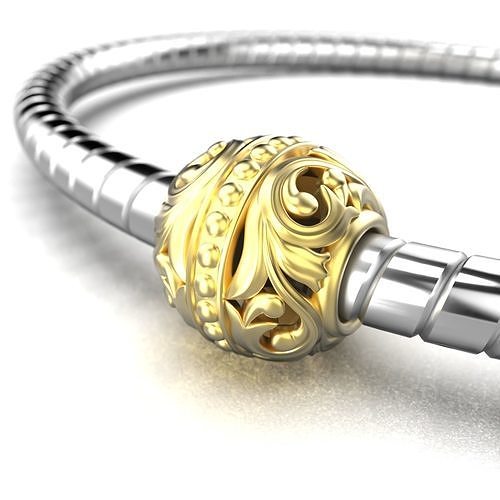
 Back in the day, silver accessories were part of women’s jewelry collection. Some of the designs might have special messages and carvings as well. If you take a minute to observe today’s fashion scene, you will notice this quickly. You will find a myriad of choices. The allure of silver bracelets is beyond reason. Whether it is for your personal choice or it is meant to be a gift for a friend, then you can turn to stunning silver bracelets for men. There are numerous sellers on the market. And you might be making the wrong choice in the end. Today’ men embrace silver accessories. This will make the selection process easier as well. First and foremost, you should know your choice. There are simple designs as well as one with intricate designs. When you have lots of choices before you, this selection becomes really difficult. We are going to offer the help you have been looking for in choosing the right mens
 As the prices of gold and platinum reach all time high, there is a need for an alternate metal that can be cheap on the pocket, and at the same time, it should not compromise on looks, style and design. In fact, many times silver jewellery is plated with rhodium or any other metal of the platinum family to make it look for lustrous. Sterling

 Ever design spells elegance when it is crafted on the silver metal. These factors include strength, durability and purity which allow the metal to be crafted into fine intricate designs that can be adorned as a part of daily wear. The bright lustrous white metal radiates a charismatic appeal and also illuminates the beauty of the bearer. All these factors stand responsible for the popularity that has been graced on silver designs that is as a result sweeping the ornament industry because of their intense public appeal. Silver jewelry spells eternal beauty because of its unique essence that never dies out and is instead further more cultivated when the metal is artistically infused with other properties like gems and crafted glasses. It is strong enough to last for long durations of time and apart from that sterling silver jewelry compliments both men and women and also suits different tones of skin complexion. The splendor and visual appeal of these elegant silver pieces makes them priceless.

 It is something that can unite us as a nation. This has relevance that goes beyond being able to provide all outward facing services and internal formal communications in both languages. Making a long term commitment and leading the way: change will be incremental and will happen over time, but we intend to lead by example in the way we promote use of the language in the workplace. The language is not exclusive to those who can speak it today. But while some are comfortable speaking Welsh – more often than not as the language was passed on to them by their families – many are not. With that in mind this strategy is underpinned by the following principles. We are conscious of how using Welsh in the workplace can give the language more purpose and relevance. However, we are conscious also that steps taken to increase use of the language must be reasonable and proportionate, which means that becoming a bilingual organisation will involve change that happens gradually. Our strategy on the use of Welsh in the workplace is, in many respects, set by the political direction and legal framework that have already been established; to promote the language and to increase its use. This is especially the case in so far as those learning Welsh in our schools are concerned, who should understand that the language will be a useful skill for them in the workplace. Statistics show that 86% of people across Wales feel that the language is something to be proud of. Investing in staff and providing opportunities to learn Welsh and develop language skills: it is crucial that effective and convenient training is provided, with people given both time and motivation to continuously improve their Welsh language skills. Eventually a choice of language will be available operationally within the organisation, meaning we will be able to routinely choose whether to communicate (orally and in writing) in Welsh or English, or indeed both. It is important to be clear what is meant by a bilingual organisation. This is why our long term goal is to become a bilingual organisation. We need to establish a common understanding that the Welsh language belongs to us all whatever our linguistic background. Remaining an open, inclusive and diverse organisation: everyone has the potential to be a Welsh speaker and this strategy does not conflict with our commitment to being open, inclusive and diverse – although Welsh language skills will progressively be needed for more posts, developing a bilingual workforce does not mean (or imply) those skills being a universal pre-requisite for joining the Welsh Government. We know that what we do within the Welsh Government will influence other parts of the public sector in Wales.


 Precious jewellery has always been the preferred choice for both men and women; this includes gold, silver, platinum, diamonds and even precious stones. Jewelry designers feel that designing fashion jewelry is much easier than its counterpart as the metals are quite mouldable. We cannot but this kind of jewelry for engagements and weddings as it is not apt for that occasion, these occasions require the touch of precious jewelry but it can be used as a gift for birthdays or any other occasion as well. A diamond is a woman’s best friend, but again real diamonds are very highly priced, so diamond jewellery in the form of costume jewellery is the best option for women. Even retail stores have moved in to sell fashion jewelry as it has a huge market, and they can be found in departmental stores, boutiques and online stores. Buying fashion jewelry from a branded store is the right choice, as they use very good material. Care has to be taken when buying fashion jewelry as sometimes metals used in the manufacturing of these pieces may harm the body causing rashes and skin problems. As discussed base metal was used as a substitute for
 NFL star Patrick Mahomes and fiancée Brittany Matthews sent members of their wedding party Rolex watches and Cartier bracelets in their invitations. Be my groomsman for the wedding weekend with help with this flask! Drink up and let me remind, in March set your Rolex to island time! Paige showed off the deluxe gift package the Kansas City Chiefs quarterback and his fiancee, both 25, sent, which included a silk robe embroidered with her name, and a gold Cartier Love bangle valued at $6,900. Hell yes to the bridesmaid gang! And I know I’ll have a lot of tough games against him in the future. He later clarified his remarks to USA Today this week, saying he thought his remarks were ‘taken out of context. This is how you gonna ask? Mahomes, who signed a 10-year, $503 million contract extension last July, proposed to his longtime love last fall with an engagement ring with an emerald-cut. I was talking some trash to all those Raiders and Broncos and Chargers fans out there,’ Mahomes said. The pair welcomed daughter Sterling Skye this past February. The latest: NFL star Patrick Mahomes and fiancée Brittany Matthews, both 25, sent members of their wedding party Rolex watches and Cartier bracelets in their invitations. Among the items include a flask, Fireball whisky and an expensive silver Rolex Submariner, along with an invitation mentioning the included items. Jackson Mahomes, the younger brother of the Super Bowl quarterback, also took to social media to show off the gift package he received from his older brother and soon-to-be sister-in-law with the wedding approaching. Matthews’ friend Sydni Paige took to social media on Wednesday showing off the lavish gift package the engaged couple sent to bridesmaids ahead of their nuptials next year. Mahomes was caught in a mini-controversy ahead of the season while participating in a celebrity golf tournament in Lake Tahoe Sunday. Paige wrote in a caption, ‘Nooo wayyyyyyyy. For him to come out in Year 1 and play at that level is a special thing. The invitation read, ‘The time has come to help me with the task … Not a lot of guys can do it.
 From court-side seats at LA Lakers games to dinners and casual strolls. And then, in a