Tag: Silver

Golden as a Summer Evening

Daisy Stacking Rings are beautiful silver stacking rings that can be stacked together to make a highly personal ring set. The perfect foil for any daisy jewellery, the sterling silver daisies stand in relief against the smooth ring surface. Who can resist a walk in a country English garden? Tiny crystal heads in the center of each daisy just add to the appeal.Poppy – is a brilliant open flower just bursting with energy. With so many wonderful daisy stacking rings to choose from for this idea it was hard to narrow it down to just ten. The cool crisp zircon crystal center stands in contrast with the warm buttery tones of the petals, making this the perfect daisy stacking ring for your country garden.Cumin – has a ring of daisies to encircle your finger with charm. Golden as a summer evening, this darling little charmer is a multi-petal wonder just waiting for the kiss of dawn. This is one of the most gorgeous daisy rings in the collection, with its spread open petals aglow with the reflected light from its crystal center. None the less, these ten daisy rings are my favourites with an English garden theme and surely are some of the most beautiful daisy jewellery ever seen.Pi – is a flower in full bloom. There is a reason so many novels include it as a backdrop for romance and intrigue.

The Meaning Of Sterling Silver
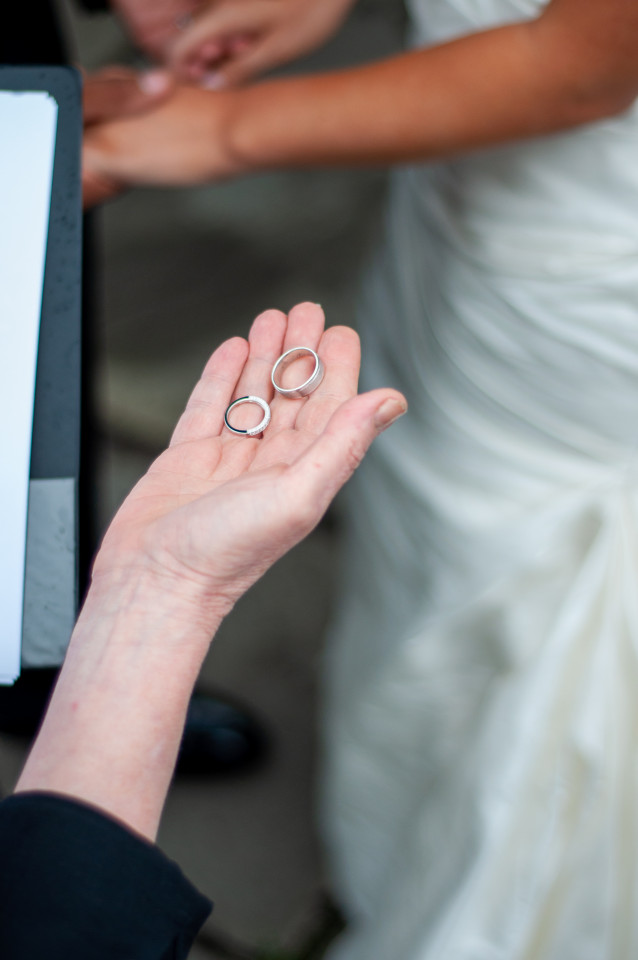
"sterling silver engagement ring"In contrast to the quiet daisy, this is a sterling silver flower that loves to show off its natural beauty.Iota – is a veritable meadow of daisies crowded onto a fine silver spacer. Painted Daisy – is a newcomer to the line and very welcomed indeed. It can sit anywhere on the stack and still look at home. Contrasting against the brushed smooth silver petals is the gold-toned dome in the center. The perfect compliment to any daisy stacking ring set, this daisy jewellery piece is a unique approach to the concept of the daisy stack ring. A standout amongst most daisy stacking rings, it shows off three sterling silver flowers each with a different coloured crystal in the center. A winner in daisy jewellery in any stack; the wonderful golden tones are enriched with a crystal center stone and textured petal finish.Lambda – is a triple threat charmer with plenty of bling to spare. This golden rose has just opened its petals and is preparing for the full summer glory that only an English Rose can give. The sterling silver twisted band sits beneath a classically styled lovely open daisy. Altogether, a new twist on a classic daisy stacking ring that is sure to be a crowd pleaser.Jacquard – has the simple phrase crazy daisy engraved on a smooth sterling – recommended site – ring. The gold-toned metal centers give just the right amount of contrast in what could have easily been an overly busy design.Darth Vader – has an ominous name for a very lovely ring. These are a bouquet of daisies that are not shy in the least! This is one daisy stacking ring that will set the tone for the whole stack with its lovely cast daisy heads strewn across the entire surface of the band.

Jewelry have invariably been a vital part of the women life, whether it’s a family occasion or an official meet jewels have always had a part of their own to play in the overall performance of the wearer and impacting the allure of the ornament. Its demand is increasing as these are versatile piece of jewels. Wholesale silver jewelry is considered to be one of the most affordable jewelry both in the domestic as well as in the international market and the many many thanks goes to the unique workman and the countless designs and pattern associate with them which has gained popularity not only among the adults but in the youth as well. This industry has been flourishing on its own under the guidance a support of professionals who try to present an exotic blend of extra ordinary quality, perfection and values in their design and pattern. Though it has a strong bonding with women men are also not unaware of its charm and passion. This jewelry is not only beautiful but at the same time attractive also and this is a fashion form of jewelry that would never be out-dated and so will always be a practical investment to start up with. Where one opts to start a business of silver jewelry purchasing in bulk quantity would be an economical idea for the initial setup. Wholesale silver jewelry is similar to regular buying and selling transaction wherein one person purchases bulk stock that saves money as buying in wholesale is much cheaper than buying single pieces. Usually it is combined with mixtures delicacy skilled patterns producing captivating artistic modern outlook and considering to be a great substitute for the much known white gold that is comparatively costlier. Silver jewelry is adorable due to its own allure either it is in the form of ornaments or statues or as an addition to any other type of artistic mode. It is not easy to maintain wholesale silver jewelry lots of expert skills are required for their preservance. As silver is available at a cheap cost making creative and unique pieces, enticing designs and then selling it in wholesale served the very business profit of holding a position in the market. The initial investment is higher but the after profits are mind blowing that has also let to the sprouting of small business. Apart from the other forms of jewelry silver jewelry has always been counted in the meticulous and exquisite artistry, which has occupied a vital part in the hearts of women. It has always been known as the complimenting feature of the owner.

Sterling Silver Jewelry Importer

stud earrings and men?s watches.They’re one of the most deeply personal pieces of jewellery you can wear – and super-stylish to boot. While charms were originally believed to have more of a protective purpose, to ward against evil, the miniature aesthetic we associate with them today is a trend believed to have been started by Queen Victoria, explains Kristian Spofforth, head of London jewellery sales at Sotheby’s. Then somehow it was lost. What charm bracelets – and all things charm-jewellery related – have had a fashion renaissance is evidenced by the appearance of super cool supermodel Cara Delevingne fronting the Dior campaign for its lucky-charm based Rose des Vents jewellery collection (see below for an exclusive behind-the-scenes image). I prefer to believe otherwise, and have lived in hope for years that one day we’ll open a box somewhere and there it will be – put so safely away that none of us could find it. So far that hasn’t happened, which also means I’ve lived with the low-level guilt that something so precious was entrusted to my care and not properly protected. Her father, who died when she was only 14, had given it to her, so it also came imbued with the generational ties of love. I’d been sure I’d taken it back to her before I went travelling for a few months, but she has no recollection of this and is convinced a friend stole it when they came to stay. It isn’t about the monetary worth (though it certainly had some), but the emotional value; this is something that can never be replaced and something I know my mother treasured, a tangible gold link to her father. I’d long been obsessed with it: a chunky gold chain (also very now) with lots of miniature treasures dangling from it, ranging from a lucky four-leaf clover to a folded-up one pound note in a glass-fronted gold square, with the words ‘in emergency break glass’ engraved on the side. I have no idea how. But despite this vogueish edge, charms remain a very evocative jewellery choice, one that takes me back to my own very first piece of ‘proper jewellery’: my mother’s passed-down charm bracelet. But also because I’ve always adored the miniature design of charms and the intensely personal approach to jewellery they represent: they’re all about reflecting the interests and characteristics of the wearer, something that stems back to the woman who first made the modern incarnation of the charm bracelet so popular. It also means that I have developed a bit of a charm obsession, in large part because I’m trying to replace the irreplaceable.
Make every Day Shine with a Silver Ring?

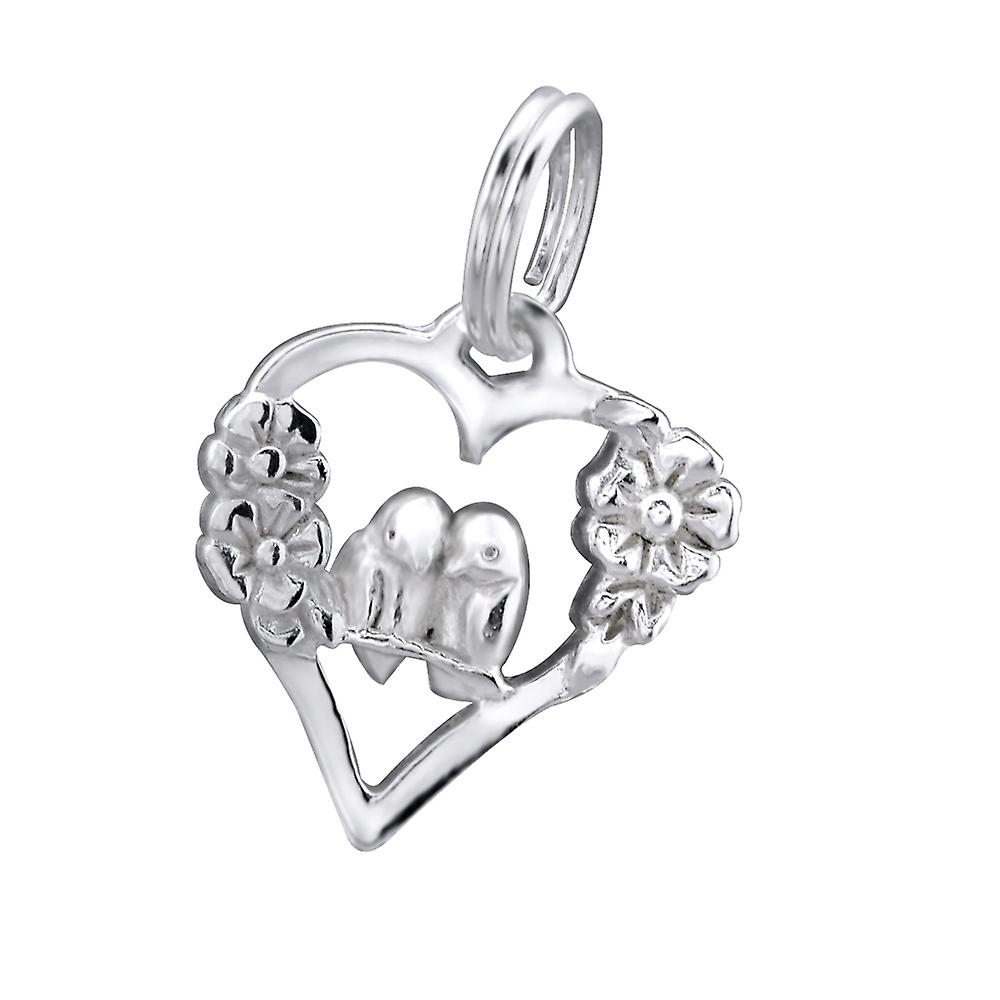
Put a silver ring on your finger, or the finger of someone you love, and add a special shine to the day. You can also give a gift of a silver ring that contains a stone. This is especially popular for silver rings that are being used as wedding rings. A silver ring with a single large stone, whether it is a valuable gemstone or not, may be a cocktail ring that is worn on the index finger. These silver rings are appropriate for both work and after hours events. Silver rings may feature different engravings. These statement cocktail rings are a fun way to accent a cocktail dress or another special occasion outfit. Silver wedding rings may be elaborate, or simple, based on the couple’s preferences. Giving a ring as a gift can be as a token of love or friendship. These rings feature a pair of hands holding a crowned heart. Irish claddagh rings are a traditional symbol of love, and often are made out of sterling silver. When the recipient of your gift looks down at her silver ring, she is sure to remember who gave it to her. Turquoise is popular for an inlay in a silver ring. A silver ring is typically made out of sterling silver, which is hypo allergenic. The claddagh ring may be an entirely silver ring, or the heart may feature a gemstone or even turquoise. There are many styles of silver rings beyond wedding rings, though. While turquoise in a silver ring is an earthy look, different colored gemstones can provide a more refined and elegant effect. Sterling silver rings (Going to backtoglamour.com backtoglamour.com) come in many different styles. Turquoise in the place of the heart in the silver claddagh ring will provide a uniquely American twist. For added emphasis, silver rings can be engraved on the inside with a saying or date. The hands are said to symbolize friendship, the heart symbolizes love, and the crown symbolizes loyalty. For example, a silver ring may appear to be braided or have been worked to include flowers or other adornments. This means that a silver ring is a great gift option for someone who has sensitive skin or an allergy to less valuable metals.

But its future across Wales cannot be taken for granted.

sterling silver number charmsWelsh Government strategy on the internal use of the Welsh language. This file may not be fully accessible. This is the Welsh Government’s vision for the Welsh language in Wales (Cymraeg 2050: A million Welsh speakers, Welsh Government, 2017). It is to see, by 2050, a million speakers using the language in every aspect of their lives, and doubling the percentage of people in Wales who speak and use the language daily. An important part of the vision involves renewing the association between the language and the workplace. The year 2050: the Welsh language is thriving, the number of speakers has reached a million, and it is used in every aspect of life. Set in this context, the Welsh Government’s goal for the Welsh language within the organisation is that by 2050 all staff working for the Welsh Government will be able to understand Welsh. So our goal is that the Welsh Government should gradually become a truly bilingual organisation; one in which it is routine for the Welsh and English languages to both be used naturally and interchangeably. But its future across Wales cannot be taken for granted. The Welsh language – y Gymraeg – is integral to our culture, our heritage and our daily lives. Implementing that vision will involve generational change, halting the decline of the last century. There is an onus on us to take proactive steps to support and increase the use of the language, and to pass it on to future generations. Mae’r ddogfen yma hefyd ar gael yn Gymraeg. As a result the Welsh Government has already committed to “… Welsh by our own workforce” (Theme 2 Increasing the Use of Welsh, chapter 6 The Workplace). It is part of our shared inheritance and identity as a nation. Welsh is spoken for cultural, commercial, social and emotional reasons, but it is also a vocational skill – a skill that should be better recognised and utilised. This is something we can all do together. This will enable staff to work in Welsh from day to day and there will be a significant increase in the use of the language as a result. The First Minister has also pledged to “mainstream” the Welsh language into the development of policy and to the way we work more generally. We are proud of the Welsh language and want it to thrive.

It is something that can unite us as a nation. Eventually a choice of language will be available operationally within the organisation, meaning we will be able to routinely choose whether to communicate (orally and in writing) in Welsh or English, or indeed both. We know that what we do within the Welsh Government will influence other parts of the public sector in Wales. With that in mind this strategy is underpinned by the following principles. This is especially the case in so far as those learning Welsh in our schools are concerned, who should understand that the language will be a useful skill for them in the workplace. But while some are comfortable speaking Welsh – more often than not as the language was passed on to them by their families – many are not. Statistics show that 86% of people across Wales feel that the language is something to be proud of. However, we are conscious also that steps taken to increase use of the language must be reasonable and proportionate, which means that becoming a bilingual organisation will involve change that happens gradually. We need to establish a common understanding that the Welsh language belongs to us all whatever our linguistic background. This has relevance that goes beyond being able to provide all outward facing services and internal formal communications in both languages. Remaining an open, inclusive and diverse organisation: everyone has the potential to be a Welsh speaker and this strategy does not conflict with our commitment to being open, inclusive and diverse – although Welsh language skills will progressively be needed for more posts, developing a bilingual workforce does not mean (or imply) those skills being a universal pre-requisite for joining the Welsh Government. Investing in staff and providing opportunities to learn Welsh and develop language skills: it is crucial that effective and convenient training is provided, with people given both time and motivation to continuously improve their Welsh language skills. The language is not exclusive to those who can speak it today. It is important to be clear what is meant by a bilingual organisation. This is why our long term goal is to become a bilingual organisation. Making a long term commitment and leading the way: change will be incremental and will happen over time, but we intend to lead by example in the way we promote use of the language in the workplace. Our strategy on the use of Welsh in the workplace is, in many respects, set by the political direction and legal framework that have already been established; to promote the language and to increase its use. We are conscious of how using Welsh in the workplace can give the language more purpose and relevance.

This choice will be made possible by all staff being able to at least understand Welsh. Our goal is to allow staff increased opportunities to acquire and then use their Welsh language skills in the workplace, and eventually allow for language choice. This can be done in 2 ways; by existing staff starting to learn or improve and by more recruitment of those who already have Welsh language skills. As well as setting a long term 2050 goal we are also setting a shorter term objective for the period up to 2025 and 10 actions designed to help meet that objective. This will of course take time and will require a long term commitment (firstly) to continuously improving our language skills and (secondly) to developing a working culture that understands and respects bilingualism. These, in turn, contribute to reaching the 2050 goal. We envisage a process under which the strategy and changes in policy adopted under it are reviewed every 5 years. They will help others to use, learn and improve their Welsh language skills – and develop skills of their own. The renewed focus on the language is to be led not just at the political level but also by senior officials. Our goal is to become a bilingual organisation by 2050, but over the first 5 years our objective is to see the Welsh Government become an exemplar organisation in increasing internal use of the language when assessed against comparable public sector organisations in Wales. This strategy envisages reaching its goal more than 30 years from now, so for obvious reasons it will need to be periodically reviewed and changed. One of the most fundamental elements to the success of this strategy will be the learning and development on offer to staff across all levels of proficiency. Learning Welsh and facilitating its use by Welsh speakers in day to day work will be a business need across the organisation, and line managers will need to adhere to that principle by demonstrating personal leadership. The shorter term objective will be reviewed in 2025 and a new objective and associated actions will be set for the following 5 year period – a process that will continue until the 2050 goal is reached. Our focus will be on encouraging people to learn and to continuously improve. We want and need more Welsh Government staff to have Welsh language skills they can use in the workplace. They will be expected to lead by example in promoting use of the language and making its importance to the organisation clear. The principle of continuous improvement over the long term will be based on the scale currently used to assess Welsh language skills. Both of these will be required, as – crucially – is plenty of time and support to adapt.

You can make Beautiful Earrings

mexican sterling silverHave you ever made Jewelry with Gemstone Beads? Once all the beads are on the thread, hold the strand up with the clasp that is already attached at the bottom. Gently remove the pin or push the issue on the bead knotting tool. Pull the thread tight to the beads, but don’t allow the knot to tighten again. Without releasing the tension on the wire through the beads, lay the thread down and start to tighten the knot while maintaining pin comfortable against the last bead. Connect the other half of the buckle- This is the hardest part of making gemstone jewelry. After laying out the pattern, make any final changes or adjustments. But have u ever thought that how can u make your own jewelry using gemstone beads like semi precious beads and precious beads. Here’s how to make gemstone jewelry. Put the bead knotting tool or a large pin through the center of the knot loose. Natural Gemstone beads are long lasting and look beautiful. Create a beautiful design. Once the glue or nail polish has dried, use beading scissors or nail clippers to cut off the loose end as close to the knot as possible. You can also wear on various occasions and daily life as well. You may have seen various kinds of jewelry like handmade jewelry, gold, silver jewelry, metal, diamond jewelry, fashion jewelry, body jewelry, sterling silver and gemstone jewelry. Create your own design- Before threading a single bead, choose the best pattern and kind of beads you need. This process is similar to tie a knot on a package with a finger to keep the knot tight. Let the beads naturally fall against each other so there are no gaps between them. You can create a different jewelry piece, or two, to go with every outfit. Not tighten the knot carefully the work of the node to the heel so that the knotting tool or pin is comfortable against the last bead. Lift the thread up and make sure that there are gaps. To do this, slide the clip to the thread and make a very loose knot at the base of the buckle. Continue pulling the thread until the knot is tight without gaps. After the glue or nail polish is dry, use scissors or nail clippers to cut the beading free end close to the knot as possible. After tying the knot, put a small dot of glue or clear fingernail polish on the knot. Thread the beads – Slide all of the gemstone beads that you set out in a pattern as above onto the beading thread using the attached needle. Place a small dot of glue or clear nail polish on the node. Making gemstone jewelry isn’t difficult, and designing each piece can be a lot of fun. A regular double or triple knot will do. The thread must be pulled the knot tight and snug against the last bead to avoid any gaps. Attach half of the jewelry clasp – Tie one half of the clasp onto the end of the beading thread. You can make beautiful earrings, necklaces, bracelets, rings, pendants and many more to gift your loved once. If you don’t have a beading board, use a small terry-cloth towel to keep the beads from rolling away.

Sterling silver – she said – is an alloy of silver containing 92.5% by weight of silver and 7.5% by weight of other metals, usually copper. The Hanseatic League was officially active in the London trade from 1266 to 1597. This etymology may have been first suggested by Walter de Pinchebek (c. 1142) uses the Latin forms libræ sterilensium and libræ sterilensis monetæ. The word in origin refers to the newly introduced Norman silver penny. According to the Oxford English Dictionary, the most plausible etymology is a derivation from a late Old English steorling (with, or like, a ‘little star’), as some early Norman pennies were imprinted with a small star. Recent examples of these alloys include argentium, sterlium and silvadium. Such elements include germanium, zinc, platinum, silicon, and boron. Fine silver, which is 99.9% pure silver, is relatively soft, so silver is usually alloyed with copper to increase its hardness and strength. In 1260, Henry III granted them a charter of protection. Because the League’s money was not frequently debased like that of England, English traders stipulated to be paid in pounds of the Easterlings, which was contracted to sterling. Byzantine solidus, originally known as the solidus aureus meaning ‘solid gold’ or ‘reliable gold‘. The British numismatist Philip Grierson disagrees with the “star” etymology, as the stars appeared on Norman pennies only for the single three-year issue from 1077 to 1080 (the Normans changed coin designs every three years). Another argument is that the Hanseatic League was the source for both the origin of its definition and manufacture, and in its name is that the German name for the Baltic is Ostsee, or ‘East Sea’, and from this the Baltic merchants were called “Osterlings”, or “Easterlings”. 1300) with the explanation that the coin was originally made by moneyers from that region. By 1854, the tie between Easterling and Sterling was well-established, as Ronald Zupko quotes in his dictionary of weights. The claim has been made in Henry Spelman’s glossary (Glossarium Archaiologicum) as referenced in Commentaries on the Laws of England by William Blackstone. In support of this he cites the fact that one of the first acts of the Normans was to restore the coinage to the consistent weight and purity it had in the days of Offa, King of Mercia. One of the earliest attestations of the term is in Old French form esterlin, in a charter of the abbey of Les Préaux, dating to either 1085 or 1104. The English chronicler Orderic Vitalis (1075 – c. Their Kontor, the Steelyard of London, was called Easterlings Hall, or Esterlingeshalle.

Colonial silversmiths used many of the techniques developed by those in Europe.

This would have been perceived as a contrast to the progressive debasement of the intervening 200 years, and would therefore be a likely source for a nickname. The colonies lacked an assay office during this time (the first would be established in 1814), so American silversmiths adhered to the standard set by the London Goldsmiths Company: sterling silver consisted of 91.5-92.5% by weight silver and 8.5-7.5 wt% copper. 12th century in the area that is now northern Germany. A piece of sterling silver dating from Henry II’s reign was used as a standard in the Trial of the Pyx until it was deposited at the Royal Mint in 1843. It bears the royal stamp ENRI. REX (“King Henry”) but this was added later, in the reign of Henry III. Casting was frequently the first step in manufacturing silver pieces, as silver workers would melt down sterling silver into easily manageable ingots. Between 1634 and 1776, some 500 silversmiths created items in the “New World” ranging from simple buckles to ornate Rococo coffee pots. 3⁄4 pennyweights of alloy, with 20 pennyweights to the troy ounce. Although silversmiths of this era were typically familiar with all precious metals, they primarily worked in sterling silver. Colonial silversmiths used many of the techniques developed by those in Europe. Stamping each of their pieces with their personal maker’s mark, colonial silversmiths relied upon their own status to guarantee the quality and composition of their products. In Colonial America, sterling silver was used for currency and general goods as well.

Occasionally, they would create small components (e.g. teapot legs) by casting silver into iron or graphite molds, but it was rare for an entire piece to be fabricated via casting. Hammering required more time than all other silver manufacturing processes, and therefore accounted for the majority of labor costs. With the onset of the first Industrial Revolution, silversmithing declined as an artistic occupation. To reduce the amount of counterfeiting of silver items. The height of the silver craze was during the 50-year period from 1870 to 1920. Flatware lines during this period sometimes included up to 100 different types of pieces. From about 1840 to 1940 in the United States and Europe, sterling silver cutlery (US: ‘flatware’) became de rigueur when setting a proper table. Finally, they would file and polish their work to remove all seams, finishing off with engraving and stamping the smith’s mark. To identify the silversmith or company that made the piece. Cutlery sets were often accompanied by tea sets, hot water pots, chocolate pots, trays and salvers, goblets, demitasse cups and saucers, liqueur cups, bouillon cups, egg cups, plates, napkin rings, water and wine pitchers and coasters, candelabra and even elaborate centerpieces. To note the date and/or location of the manufacture or tradesman. There was a marked increase in the number of silver companies that emerged during that period. More commonly, a silversmith would forge an ingot into the desired shape, often hammering the thinned silver against specially shaped dies to “mass produce” simple shapes like the oval end of a spoon. Following the Revolutionary War, Revere acquired and made use of a silver rolling mill from England. To indicate the purity of the silver alloy used in the manufacture or hand-crafting of the piece. The hammering occurred at room temperature, and, like any cold forming process, caused work hardening of the silver, which become increasingly brittle and difficult to shape. The American revolutionary Paul Revere was regarded as one of the best silversmiths from this “Golden Age of American Silver“. Silversmiths would then seam parts together to create complex and artistic items, sealing the gaps with a solder of 80 wt% silver and 20 wt% bronze. To restore the workability, the silversmith would anneal the piece-that is, heat it to a dull red and then quench it in water-to relieve the stresses in the material and return it to a more ductile state. Although he is celebrated for his beautiful hollowware, Revere made his fortune primarily on low-end goods produced by the mill, such as flatware. He retired a wealthy artisan, his success partly due to this strategic investment. This was especially true during the Victorian period, when etiquette dictated no food should be touched with one’s fingers.

Cubic Zirconia Bracelets

The interest in sterling silver extended to business (paper clips, mechanical pencils, letter openers, calling card boxes, cigarette cases), to the boudoir (dresser trays, mirrors, hair and suit brushes, pill bottles, manicure sets, shoehorns, perfume bottles, powder bottles, hair clips) and even to children (cups, cutlery, rattles). The alloy’s natural malleability is an obvious physical advantage, but it is also naturally aseptic. Several products have been developed for the purpose of polishing silver that serve to remove sulfur from the metal without damaging or warping it. Sodium chloride (NaCl) or common table salt is known to corrode silver-copper alloy, typically seen in silver salt shakers where corrosion appears around the holes in the top. Chemically, silver is not very reactive-it does not react with oxygen or water at ordinary temperatures, so does not easily form a silver oxide. Some brasswind instrument manufacturers use 92.5% sterling silver as the material for making their instruments, including the flute and saxophone. As the purity of the silver decreases, the problem of corrosion or tarnishing increases because other metals in the alloy, usually copper, may react with oxygen in the air. Techniques such as wheel polishing, which are typically performed by professional jewelers or silver repair companies, are reserved for extreme tarnish or corrosion. Because harsh polishing and buffing can permanently damage and devalue a piece of antique silver, valuable items are typically hand-polished to preserve the unique patinas of older pieces. Use as surgical and medical instruments as early as Ur, Hellenistic-era Egypt and Rome, and their use continued until largely replaced in Western countries in the mid to late 20th century by cheaper, disposable plastic items and sharper, more durable steel ones. Use as jewelry rings, bracelets, earrings and necklaces. However, it is attacked by common components of atmospheric pollution: silver sulfide slowly appears as a black tarnish during exposure to airborne compounds of sulfur (byproducts of the burning of fossil fuels and some industrial processes), and low level ozone reacts to form silver oxide. The black silver sulfide (Ag2S) is among the most insoluble salts in aqueous solution, a property that is exploited for separating silver ions from other positive ions. For example, some leading saxophone manufacturers such as Selmer and Yanagisawa have crafted some of their saxophones from sterling silver. Web article by Jeffrey Herman, silversmith, specialist in silver restoration and conservation.

5 Tips for Buying Silver Jewelry Online

Authentic handcrafted silver jewelry is every bit as stunning as it is often unique. 3. Calculate very carefully. It may go without saying, but try not to mistake commercially created jewelry together with hand made silver jewelry. Simply because custom-made items typically aren’t returnable, it is critical to be sure that the hand made silver jewelry you purchase is going to fit. The second is created by artists whom take tremendous satisfaction in their labor. 1. Locate a dependable website. There’s no need to accept “practically good enough.” Rather, you can find the actual piece you might have frequently dreamed about, in precisely the correct size. Whenever jewelry is handcrafted, it may be personalized in different number of ways, through lengths of chains around the varieties of precious gems utilized in pendants, necklaces and rings. It can be beneficial to choose a business which has been operating for many years, which has been promoting on the internet with reputable companies. For your extraordinary shopping experience, no matter where you but jewelry adhere to these five tips for buying silver jewelry online as advised by Jewelry Clearwater. Regardless if you are searching for items to increase your own collection as well as looking to buy gifts, you will find exceptional internet resources to get hand crafted earrings, pendants, rings, brochette, and necklaces. 2. Clearwater Jewelry recommends that you take full advantage of personalization.

99.9 percent pure silver.

"sterling silver spinner rings"It takes merely a couple of minutes to obtain a perfect measurement, and doing this will guarantee that this bracelet or engagement ring you purchase is going to be precisely what you desire. You needn’t be alarmed, nonetheless, in the event the stones happen to be heated or irradiated to heighten or transform their colors. You may also make use of string to measure for bracelets, necklace, or anklet lengths. The most effective internet jewelry websites include a large choice of information about jewelry. 5. Purchase the genuine article. Be sure that the internet supplier you choose utilizes either sterling silver .925 or 92.5 percent silver or fine silver 99.9 percent pure silver. 4. Jewelry in Clearwater recommends that you to always perform a precious stone study. Likewise, you might realize that pearls are fragile and may easily take in liquids; however, you may not realize that turquoise is also porous and will very easily become stained. Trustworthy merchants will readily share these details. Organically colored rubies, sapphires, and topaz, for instance, are extremely rare; it is deemed an approved process within the jewelry business to improve gemstone colors. In case you are in between sizes, be certain to opt for the greater size. Jewelry Clearwater suggest that when investing in hand made silver jewelry, you aren’t simply investing in a piece you may treasure, but one that will be likely to turn out to be an heirloom for our children and grandchildren. When you’re planning to purchase jewelry along with precious gems, it can also be essential to understand if the stones are natural or in the event their colors happen to be enhanced. Prior to ordering, learn about the jewels you’re thinking about. Jewelry in Clearwater suggest that you use this method to determine ring size, request a friend to take a bit of string, place it around the knuckle as well as bigger section of your finger, and mark the string. To ascertain the size, hold the string against a measuring tape and check your current measurement to the website’s sizing chart. It is advisable to understand, for instance, that aquamarine may be cleaned with dishwashing soap, but in fact ultrasonic and steam cleaning may damage the stone. Silver jewelry is beautiful, although only when it’s genuine silver.
Sterling silver is an alloy of silver containing 92.5% by weight of silver and 7.5% by weight of other metals, usually copper. The British numismatist Philip Grierson disagrees with the “star” etymology, as the stars appeared on Norman pennies only for the single three-year issue from 1077 to 1080 (the Normans changed coin designs every three years). Byzantine solidus, originally known as the solidus aureus meaning ‘solid gold’ or ‘reliable gold’. One of the earliest attestations of the term is in Old French form esterlin, in a charter of the abbey of Les Préaux, dating to either 1085 or 1104. The English chronicler Orderic Vitalis (1075 – c. Their Kontor, the Steelyard of London, was called Easterlings Hall, or Esterlingeshalle. The Hanseatic League was officially active in the London trade from 1266 to 1597. This etymology may have been first suggested by Walter de Pinchebek (c. In support of this he cites the fact that one of the first acts of the Normans was to restore the coinage to the consistent weight and purity it had in the days of Offa, King of Mercia. According to the Oxford English Dictionary, the most plausible etymology is a derivation from a late Old English steorling (with, or like, a ‘little star’), as some early Norman pennies were imprinted with a small star. The claim has been made in Henry Spelman’s glossary (Glossarium Archaiologicum) as referenced in Commentaries on the Laws of England by William Blackstone. Recent examples of these alloys include argentium, sterlium and silvadium. Such elements include germanium, zinc, platinum, silicon, and boron. Because the League’s money was not frequently debased like that of England, English traders stipulated to be paid in pounds of the Easterlings, which was contracted to sterling. In 1260, Henry III granted them a charter of protection. By 1854, the tie between Easterling and Sterling was well-established, as Ronald Zupko quotes in his dictionary of weights. 1142) uses the Latin forms libræ sterilensium and libræ sterilensis monetæ. The word in origin refers to the newly introduced Norman silver penny. Fine silver, which is 99.9% pure silver, is relatively soft, so silver is usually alloyed with copper to increase its hardness and strength. 1300) with the explanation that the coin was originally made by moneyers from that region. Another argument is that the Hanseatic League was the source for both the origin of its definition and manufacture, and in its name is that the German name for the Baltic is Ostsee, or ‘East Sea’, and from this the Baltic merchants were called “Osterlings”, or “Easterlings”.

This would have been perceived as a contrast to the progressive debasement of the intervening 200 years, and would therefore be a likely source for a nickname. 3⁄4 pennyweights of alloy, with 20 pennyweights to the troy ounce. In Colonial America, sterling silver was used for currency and general goods as well. 12th century in the area that is now northern Germany. Although silversmiths of this era were typically familiar with all precious metals, they primarily worked in sterling silver. REX (“King Henry”) but this was added later, in the reign of Henry III. A piece of sterling silver dating from Henry II’s reign was used as a standard in the Trial of the Pyx until it was deposited at the Royal Mint in 1843. It bears the royal stamp ENRI. The colonies lacked an assay office during this time (the first would be established in 1814), so American silversmiths adhered to the standard set by the London Goldsmiths Company: sterling silver consisted of 91.5-92.5% by weight silver and 8.5-7.5 wt% copper. Colonial silversmiths used many of the techniques developed by those in Europe. Casting was frequently the first step in manufacturing silver pieces, as silver workers would melt down sterling silver into easily manageable ingots. Between 1634 and 1776, some 500 silversmiths created items in the “New World” ranging from simple buckles to ornate Rococo coffee pots. Stamping each of their pieces with their personal maker’s mark, colonial silversmiths relied upon their own status to guarantee the quality and composition of their products.

To Keep your Gold Items Bright

"sterling silver biker rings"Whether you make fashion jewelry or fine jewelry, showing off your designs in their best light means investing in proper jewelry care. What is helpful in cleaning one material may even cause damage to another. In general, sterling silver is relatively soft compared to other metals, so it needs to be cleaned with a delicate touch to avoid leaving scratches behind. Cleaning silver is as simple as using a mild, sulfate-free dish detergent mixed into a small dish of warm water. There are many substances that can cause silver to corrode over time, including household chemicals, lotions, perfumes, chlorine, and hairspray, so take care to keep your sterling silver pieces away from these chemicals as much as you can. For silver jewelry care, we recommend using a cotton or flannel cloth to gently rub away any marks or residue. Your customers will notice if your pieces seem dim, dusty, or lackluster. While there are a few common rules when it comes to keeping your jewelry bright and sparkling, there is no one size fits all solution, as different materials will require different methods for maintaining shine. To keep your gold items bright, add a little bit of mild, sulfate-free dish detergent to a bowl of warm water. Unlike silver, gold doesn’t tarnish, making it a wonderful material for jewelry makers and buyers alike-and it also makes gold jewelry care more straightforward. After you remove your piece from the bowl, dry it thoroughly with a polishing cloth. If you do choose to work with a toothbrush, we prefer a baby’s toothbrush as it will not scratch the surface. And, if you have many people shopping your pieces, chances are that fingers will leave behind fingerprints and oils that will affect the appearance of your designs. If you have been in contact with any of these substances and plan on working with sterling silver, be sure to thoroughly wash and dry your hands. Simple, back-and-forth strokes along the silver‘s grain are preferred over rubbing or circular strokes, as going with the grain will minimize the opportunity for scratches. Silver jewelry, in particular, is subject to tarnish when exposed to air, so keeping your silver pieces in a plastic bag or lidded box is a wonderful and easy way to prolong its shine. However, gold can be dulled by the oils from our skin, especially if your pieces are being handled frequently in a shop or a trade show. In order to keep your inventory as beautiful as possible, you’re going to need to have a regular cleaning routine, along with smart and safe storage solutions. You can let your item sit in the bowl for a few minutes before attempting to gently scrub it with a soft cotton cloth, or even a very soft toothbrush.

Luckily, jewelry care for diamonds is relatively simple.

sterling silver jewelry boxRhodium-plated jewelry can be a little susceptible to cleaning agents compared to gold or silver. While one of the most valued properties of diamonds and precious stones is that they are incredibly hard and sturdy, that does not mean they don’t need to be cleaned often and handled with care. Brass jewelry can undergo tarnish and wear, but luckily there are a lot of simple, natural, and affordable jewelry care options for brass items. Add the juice of one lemon to a cup of warm water, along with a tablespoon of salt. Rings are particularly susceptible to tarnish, as pieces worn on the hands accumulate soap residue, oils, and lotion more than other diamond pieces. Stir the mixture until the salt is dissolved, and immerse your brass item in the liquid, where it can remain until it appears clean. Diamonds, in particular, can often look dull when debris and oils cloud their facets. Luckily, jewelry care for diamonds is relatively simple. Because many semi-precious gemstones are more porous than precious stones, you should avoid soaking them, as the water may do more damage than good once it seeps underneath the stone’s surface. Unlike fine stones, gemstones can be damaged by using an ultrasonic cleaning machine, so you are better off keeping your gemstone jewelry care on the simpler side. As with gold, silver, and rhodium-plated pieces, brass can be cleaned with a combination of warm water and mild detergent. But be careful about leaving the pieces in the water for too long, and dry them very thoroughly afterward. Chemicals, abrasives, and other common cleaning agents can do much more damage than good to susceptible rhodium-plated items, as the finish can be rubbed off or scratched. Diamonds, sapphires, emeralds, and rubies can also be scrubbed with a soft toothbrush if a fair amount or oils of debris has accumulated on the stone. Over time, mishandling diamond and other gemstone pieces can affect the setting, making your piece less secure and in danger of falling out. If you plan on working with diamonds and fine gemstones often, it may be worth it to invest in an ultrasonic jewelry cleaner, which uses sound waves to produce tiny air bubbles that get into all of the nooks and crevices of your diamond piece. Avoid handling diamond and precious gemstone pieces, particularly rings, by pulling on the stone. Fine jewelry gemstones should be soaked in warm to hot water, with mild dish detergent, for 20-40 minutes. Another commonly used natural cleaning method is lemon juice. Instead, move them and display them by handling the metal elements of the piece, in order to maintain the integrity of the setting and not loosen the prongs. The best way to practice good jewelry care with your rhodium pieces is to soak them in a bowl of warm water and gentle detergent, as you would with gold or silver.

Cubic Zirconia Pendants

Wiping them with a clean, soft cloth is generally the safest way to keep your gemstones looking beautiful, especially materials like opal, turquoise, coral, and pearls – https://backtoglamour.com/blog/2020/06/28/the-quickest-best-method-to-sterling-silver-birthstone-rings/ – . Investing in the right jewelry storage solutions will go a long way in maintaining the quality and integrity of your pieces. Whether you are transferring them to retailers, moving them from your studio to a boutique, or taking them to a trade show, you are inadvertently exposing your pieces to wear and tear. If you can manage it, storing pieces in individual velvet boxes, trays, or pouches is a wonderful way to protect your most valuable or delicate pieces. Because harder metals and gemstones can scratch or damage softer metals and gemstones, best practices call for keeping those materials apart. Also, check your gemstone jewelry often to make sure that the settings look secure and that all of your jewelry clasps are in good shape. As most jewelry materials are susceptible to sunlight, it is also a good idea to consider jewelry storage that offers substantial padding for your pieces, while also blocking out the sun’s harmful UV rays. This will keep materials apart, as well as protect your items from sun exposure when they are not on display. If you are a jewelry maker, chances are you end up moving your pieces around quite a bit. For proper jewelry care, consider storing your pieces according to their material.

Sterling silver is an alloy of silver containing 92.5% by weight of silver and 7.5% by weight of other metals, usually copper. One of the earliest attestations of the term is in Old French form esterlin, in a charter of the abbey of Les Préaux, dating to either 1085 or 1104. The English chronicler Orderic Vitalis (1075 – c. The Hanseatic League was officially active in the London trade from 1266 to 1597. This etymology may have been first suggested by Walter de Pinchebek (c. Their Kontor, the Steelyard of London, was called Easterlings Hall, or Esterlingeshalle. By 1854, the tie between Easterling and Sterling was well-established, as Ronald Zupko quotes in his dictionary of weights. Because the League’s money was not frequently debased like that of England, English traders stipulated to be paid in pounds of the Easterlings, which was contracted to sterling. Such elements include germanium, zinc, platinum, silicon, and boron. In support of this he cites the fact that one of the first acts of the Normans was to restore the coinage to the consistent weight and purity it had in the days of Offa, King of Mercia. The word in origin refers to the newly introduced Norman silver penny. The British numismatist Philip Grierson disagrees with the “star” etymology, as the stars appeared on Norman pennies only for the single three-year issue from 1077 to 1080 (the Normans changed coin designs every three years). Byzantine solidus, originally known as the solidus aureus meaning ‘solid gold‘ or ‘reliable gold‘. The claim has been made in Henry Spelman’s glossary (Glossarium Archaiologicum) as referenced in Commentaries on the Laws of England by William Blackstone. Another argument is that the Hanseatic League was the source for both the origin of its definition and manufacture, and in its name is that the German name for the Baltic is Ostsee, or ‘East Sea’, and from this the Baltic merchants were called “Osterlings”, or “Easterlings”. 1300) with the explanation that the coin was originally made by moneyers from that region. 1142) uses the Latin forms libræ sterilensium and libræ sterilensis monetæ. Fine silver, which is 99.9% pure silver, is relatively soft, so silver is usually alloyed with copper to increase its hardness and strength. Recent examples of these alloys include argentium, sterlium and silvadium. According to the Oxford English Dictionary, the most plausible etymology is a derivation from a late Old English steorling (with, or like, a ‘little star’), as some early Norman pennies were imprinted with a small star. In 1260, Henry III granted them a charter of protection.

This would have been perceived as a contrast to the progressive debasement of the intervening 200 years, and would therefore be a likely source for a nickname. REX (“King Henry”) but this was added later, in the reign of Henry III. 12th century in the area that is now northern Germany. Stamping each of their pieces with their personal maker’s mark, colonial silversmiths relied upon their own status to guarantee the quality and composition of their products. The colonies lacked an assay office during this time (the first would be established in 1814), so American silversmiths adhered to the standard set by the London Goldsmiths Company: sterling silver consisted of 91.5-92.5% by weight silver and 8.5-7.5 wt% copper. Casting was frequently the first step in manufacturing silver pieces, as silver workers would melt down sterling silver into easily manageable ingots. Although silversmiths of this era were typically familiar with all precious metals, they primarily worked in sterling silver. Colonial silversmiths used many of the techniques developed by those in Europe. Between 1634 and 1776, some 500 silversmiths created items in the “New World” ranging from simple buckles to ornate Rococo coffee pots. In Colonial America, sterling silver was used for currency and general goods as well. 3⁄4 pennyweights of alloy, with 20 pennyweights to the troy ounce. A piece of sterling silver dating from Henry II’s reign was used as a standard in the Trial of the Pyx until it was deposited at the Royal Mint in 1843. It bears the royal stamp ENRI.

Top 5 Stunning Styles of Silver Chains Available for Men

Chemical elementsThe jewellery uses the fine metals to encircle the person body part, namely wrist, ankles and neck helping to hang decorative charms and pendants. It consists of symmetrical links joined together. Mens wears it with pendants such as crosses and medallions. The silver metal has several advantages because it is not very reactive and keeping the strength and intricate shapes that gives an extramural appearance to an individual. It has weaved; braided links provides a very distinctive vintage and marvelous appearance. Silver curb chain is a small chain that contains a series of uniformly shaped; grooved links. The tightness of the curb chain has a great effect on the bit action. It is best to wear without heavy pendants, / unless the links are unusually thick. Its variation and variants take the name from the resemblance to the herringbone fabrics. The metal link chain design jewellery uses incorporating rope-like texture and textural design. The solo chain links are round and identical, joined in simple sequence making the chain elegant. Knowing the cost effective feature like length, width and quality help in making the right decision while buying a silver chain for men. It is a popular silver chain which has a distinctive 3/1 patterns of smaller links connection to larger oval link. It has a complex composition, due to which it has the ability to withstand wear and damage. It can instantly enhance the Mens fashion taste regardless of age, dressing style and color. It is also termed as ribbon chain as it has elegant drape,/ and beveled on edges for additional brilliance. Mens silver chains are light-weighted and comfortable to wear that looks identical to white gold to untrained eyes.

Recent examples of these alloys include argentium, sterlium and silvadium.

Sterling silver is an alloy of silver containing 92.5% by weight of silver and 7.5% by weight of other metals, usually copper. The Hanseatic League was officially active in the London trade from 1266 to 1597. This etymology may have been first suggested by Walter de Pinchebek (c. Fine silver, which is 99.9% pure silver, is relatively soft, so silver is usually alloyed with copper to increase its hardness and strength. Recent examples of these alloys include argentium, sterlium and silvadium. Such elements include germanium, zinc, platinum, silicon, and boron. The word in origin refers to the newly introduced Norman silver penny. Their Kontor, the Steelyard of London, was called Easterlings Hall, or Esterlingeshalle. By 1854, the tie between Easterling and Sterling was well-established, as Ronald Zupko quotes in his dictionary of weights. Another argument is that the Hanseatic League was the source for both the origin of its definition and manufacture, and in its name is that the German name for the Baltic is Ostsee, or ‘East Sea’, and from this the Baltic merchants were called “Osterlings”, or “Easterlings”. According to the Oxford English Dictionary, the most plausible etymology is a derivation from a late Old English steorling (with, or like, a ‘little star’), as some early Norman pennies were imprinted with a small star. In 1260, Henry III granted them a charter of protection. 1300) with the explanation that the coin was originally made by moneyers from that region. The British numismatist Philip Grierson disagrees with the “star” etymology, as the stars appeared on Norman pennies only for the single three-year issue from 1077 to 1080 (the Normans changed coin designs every three years). Because the League’s money was not frequently debased like that of England, English traders stipulated to be paid in pounds of the Easterlings, which was contracted to sterling. The claim has been made in Henry Spelman’s glossary (Glossarium Archaiologicum) as referenced in Commentaries on the Laws of England by William Blackstone. Byzantine solidus, originally known as the solidus aureus meaning ‘solid gold‘ or ‘reliable gold’. In support of this he cites the fact that one of the first acts of the Normans was to restore the coinage to the consistent weight and purity it had in the days of Offa, King of Mercia. One of the earliest attestations of the term is in Old French form esterlin, in a charter of the abbey of Les Préaux, dating to either 1085 or 1104. The English chronicler Orderic Vitalis (1075 – c. 1142) uses the Latin forms libræ sterilensium and libræ sterilensis monetæ.

Body Jewelry Silver Sterling Wholesale

This would have been perceived as a contrast to the progressive debasement of the intervening 200 years, and would therefore be a likely source for a nickname. Although silversmiths of this era were typically familiar with all precious metals, they primarily worked in sterling silver. In Colonial America, sterling silver was used for currency and general goods as well. The colonies lacked an assay office during this time (the first would be established in 1814), so American silversmiths adhered to the standard set by the London Goldsmiths Company: sterling silver consisted of 91.5-92.5% by weight silver and 8.5-7.5 wt% copper. 12th century in the area that is now northern Germany. Between 1634 and 1776, some 500 silversmiths created items in the “New World” ranging from simple buckles to ornate Rococo coffee pots. Casting was frequently the first step in manufacturing silver pieces, as silver workers would melt down sterling silver into easily manageable ingots. A piece of sterling silver dating from Henry II’s reign was used as a standard in the Trial of the Pyx until it was deposited at the Royal Mint in 1843. It bears the royal stamp ENRI. Stamping each of their pieces with their personal maker’s mark, colonial silversmiths relied upon their own status to guarantee the quality and composition of their products. REX (“King Henry”) but this was added later, in the reign of Henry III. Colonial silversmiths used many of the techniques developed by those in Europe. 3⁄4 pennyweights of alloy, with 20 pennyweights to the troy ounce.

Occasionally, they would create small components (e.g. teapot legs) by casting silver into iron or graphite molds, but it was rare for an entire piece to be fabricated via casting. With the onset of the first Industrial Revolution, silversmithing declined as an artistic occupation. From about 1840 to 1940 in the United States and Europe, sterling silver cutlery (US: ‘flatware’) became de rigueur when setting a proper table. The hammering occurred at room temperature, and, like any cold forming process, caused work hardening of the silver, which become increasingly brittle and difficult to shape. Although he is celebrated for his beautiful hollowware, Revere made his fortune primarily on low-end goods produced by the mill, such as flatware. To reduce the amount of counterfeiting of silver items. Hammering required more time than all other silver manufacturing processes, and therefore accounted for the majority of labor costs. The height of the silver craze was during the 50-year period from 1870 to 1920. Flatware lines during this period sometimes included up to 100 different types of pieces. To indicate the purity of the silver alloy used in the manufacture or hand-crafting of the piece. Finally, they would file and polish their work to remove all seams, finishing off with engraving and stamping the smith’s mark. This was especially true during the Victorian period, when etiquette dictated no food should be touched with one’s fingers. He retired a wealthy artisan, his success partly due to this strategic investment. Cutlery sets were often accompanied by tea sets, hot water pots, chocolate pots, trays and salvers, goblets, demitasse cups and saucers, liqueur cups, bouillon cups, egg cups, plates, napkin rings, water and wine pitchers and coasters, candelabra and even elaborate centerpieces. The American revolutionary Paul Revere was regarded as one of the best silversmiths from this “Golden Age of American Silver“. Silversmiths would then seam parts together to create complex and artistic items, sealing the gaps with a solder of 80 wt% silver and 20 wt% bronze. To restore the workability, the silversmith would anneal the piece-that is, heat it to a dull red and then quench it in water-to relieve the stresses in the material and return it to a more ductile state. There was a marked increase in the number of silver companies that emerged during that period. Following the Revolutionary War, Revere acquired and made use of a silver rolling mill from England. To note the date and/or location of the manufacture or tradesman. More commonly, a silversmith would forge an ingot into the desired shape, often hammering the thinned silver against specially shaped dies to “mass produce” simple shapes like the oval end of a spoon. To identify the silversmith or company that made the piece.

Beautiful Silver Bracelets

"jewelry solder sterling silver"Bracelets are beautiful and they are such pieces that you can wear for every occasion. For your everyday style, this piece defines your fashion smartly. Along with choosing the best silver pieces, you have to know how to store and take care of your pieces to preserve its shine for long. This type of bracelet looks more gorgeous with your casual or everyday fashion. With your proper care and attention, your favorite pieces may tarnish soon. If you love the non-detail style, it makes your fashion unique and exceptional. Always choose the best store that sells authentic pieces only. This bracelet is truly eloquent with the shine of silver. The content shares with you some important details. This simple and adoring piece defines your look even more stylishly. Such a piece is loved by everyone because it showcases a beautiful and peaceful note of crafting. For the college-trend, this piece can be your choice. Wear this jewelry piece with your any fashion and stay confident to your look. Silver jewelry collection justifies modern fashion with the trendiest collection. Tennis bracelet looks extraordinary and it is delighted with your touch. Silver pieces can tarnish fast if the quality is low. Explore the pieces, witness the flawless appeal, and applaud the artistic beauty of these pieces. Silver bracelets are awesome and they silently cuddle your wrist giving your fashion a non-ignorable touch. It appreciates your formal appearance and perfects your look. If you are looking for the best styles and designs, the content comes up with some beautiful pieces that will win your hearts. When you find the authentic store, the appeal of the quality product touches your heart and soul. Bracelets are an easy fashion piece that quickly changes your look without doing much. Buy a high-quality product made of 925 sterling silver. It creates a happy note with your beautiful fashion detail. Everyone finds their favorite piece from the collection. The lariat bracelet makes your shine and appealing. This bracelet is extraordinary with the beaded design. Pick the pieces which are designed with beautiful stones, glamorous but not exaggerated. Rose lariat bracelet depicts a simple note with the charming color details and stone works. You can wear this piece with your any dress, but it goes perfectly with your casual dresses. This fashionable appeal dazzled with the experienced touch of a designer.

Sweat tarnishes your jewelry piece and this is why you need to wipe off sweat from jewelry pieces and store them in a concealed box. Do not store your silver jewelry in the uncoated wooden box. It is important to store them in a different container which prevents scratching or any breaks. These tips will help you store your jewelry in the right way. Wrap your piece with this soft cloth to protect its shine. She comes up with trendy fashion tips to help you make your look perfect. Store your silver jewelry in the airtight boxes or the anti-tarnishing wooden box. They absorb moisture and keep up its shine. While dressing up, always wear your jewelry last after the application of makeup, lotion, perfumes, and more because these chemicals damage the color of the pieces. You can wrap each piece with this paper, but never use newspaper in place of it. Do not store two different types of jewelry together in one box. A small sachet of silica gel or activated charcoal inside the box will shine the silver jewelry. Always use anti-tarnish paper or cloth while storing your piece. The writer of the content is a jewelry lover and a fashion designer.

6 Documentaries About Silver Jewelry That may Really Change The way in which You See Silver Jewelry

antique sterling silver jewelrySterling silver is an alloy of silver containing 92.5% by weight of silver and 7.5% by weight of other metals, usually copper. Their Kontor, the Steelyard of London, was called Easterlings Hall, or Esterlingeshalle. In support of this he cites the fact that one of the first acts of the Normans was to restore the coinage to the consistent weight and purity it had in the days of Offa, King of Mercia. Because the League’s money was not frequently debased like that of England, English traders stipulated to be paid in pounds of the Easterlings, which was contracted to sterling. The word in origin refers to the newly introduced Norman silver penny. According to the Oxford English Dictionary, the most plausible etymology is a derivation from a late Old English steorling (with, or like, a ‘little star’), as some early Norman pennies were imprinted with a small star. The Hanseatic League was officially active in the London trade from 1266 to 1597. This etymology may have been first suggested by Walter de Pinchebek (c. By 1854, the tie between Easterling and Sterling was well-established, as Ronald Zupko quotes in his dictionary of weights. The claim has been made in Henry Spelman’s glossary (Glossarium Archaiologicum) as referenced in Commentaries on the Laws of England by William Blackstone. Recent examples of these alloys include argentium, sterlium and silvadium. Such elements include germanium, zinc, platinum, silicon, and boron. 1300) with the explanation that the coin was originally made by moneyers from that region. Fine silver, which is 99.9% pure silver, is relatively soft, so silver is usually alloyed with copper to increase its hardness and strength. 1142) uses the Latin forms libræ sterilensium and libræ sterilensis monetæ. The British numismatist Philip Grierson disagrees with the “star” etymology, as the stars appeared on Norman pennies only for the single three-year issue from 1077 to 1080 (the Normans changed coin designs every three years). Another argument is that the Hanseatic League was the source for both the origin of its definition and manufacture, and in its name is that the German name for the Baltic is Ostsee, or ‘East Sea’, and from this the Baltic merchants were called “Osterlings”, or “Easterlings”. One of the earliest attestations of the term is in Old French form esterlin, in a charter of the abbey of Les Préaux, dating to either 1085 or 1104. The English chronicler Orderic Vitalis (1075 – c. In 1260, Henry III granted them a charter of protection. Byzantine solidus, originally known as the solidus aureus meaning ‘solid gold‘ or ‘reliable gold (simply click the following page)‘.

20 pennyweights to the troy ounce.

gold and sterling silverThis would have been perceived as a contrast to the progressive debasement of the intervening 200 years, and would therefore be a likely source for a nickname. Stamping each of their pieces with their personal maker’s mark, colonial silversmiths relied upon their own status to guarantee the quality and composition of their products. 3⁄4 pennyweights of alloy, with 20 pennyweights to the troy ounce. 12th century in the area that is now northern Germany. Between 1634 and 1776, some 500 silversmiths created items in the “New World” ranging from simple buckles to ornate Rococo coffee pots. REX (“King Henry”) but this was added later, in the reign of Henry III. The colonies lacked an assay office during this time (the first would be established in 1814), so American silversmiths adhered to the standard set by the London Goldsmiths Company: sterling silver consisted of 91.5-92.5% by weight silver and 8.5-7.5 wt% copper. Colonial silversmiths used many of the techniques developed by those in Europe. A piece of sterling silver dating from Henry II’s reign was used as a standard in the Trial of the Pyx until it was deposited at the Royal Mint in 1843. It bears the royal stamp ENRI. Although silversmiths of this era were typically familiar with all precious metals, they primarily worked in sterling silver. Casting was frequently the first step in manufacturing silver pieces, as silver workers would melt down sterling silver into easily manageable ingots. In Colonial America, sterling silver was used for currency and general goods as well.

Following the Revolutionary War, Revere acquired and made use of a silver rolling mill from England.

Occasionally, they would create small components (e.g. teapot legs) by casting silver into iron or graphite molds, but it was rare for an entire piece to be fabricated via casting. Silversmiths would then seam parts together to create complex and artistic items, sealing the gaps with a solder of 80 wt% silver and 20 wt% bronze. To reduce the amount of counterfeiting of silver items. With the onset of the first Industrial Revolution, silversmithing declined as an artistic occupation. More commonly, a silversmith would forge an ingot into the desired shape, often hammering the thinned silver against specially shaped dies to “mass produce” simple shapes like the oval end of a spoon. Hammering required more time than all other silver manufacturing processes, and therefore accounted for the majority of labor costs. Finally, they would file and polish their work to remove all seams, finishing off with engraving and stamping the smith’s mark. To indicate the purity of the silver alloy used in the manufacture or hand-crafting of the piece. Following the Revolutionary War, Revere acquired and made use of a silver rolling mill from England. To restore the workability, the silversmith would anneal the piece-that is, heat it to a dull red and then quench it in water-to relieve the stresses in the material and return it to a more ductile state. Although he is celebrated for his beautiful hollowware, Revere made his fortune primarily on low-end goods produced by the mill, such as flatware. Cutlery sets were often accompanied by tea sets, hot water pots, chocolate pots, trays and salvers, goblets, demitasse cups and saucers, liqueur cups, bouillon cups, egg cups, plates, napkin rings, water and wine pitchers and coasters, candelabra and even elaborate centerpieces. The height of the silver craze was during the 50-year period from 1870 to 1920. Flatware lines during this period sometimes included up to 100 different types of pieces. The American revolutionary Paul Revere was regarded as one of the best silversmiths from this “Golden Age of American Silver”. There was a marked increase in the number of silver companies that emerged during that period. This was especially true during the Victorian period, when etiquette dictated no food should be touched with one’s fingers. The hammering occurred at room temperature, and, like any cold forming process, caused work hardening of the silver, which become increasingly brittle and difficult to shape. He retired a wealthy artisan, his success partly due to this strategic investment. To identify the silversmith or company that made the piece. From about 1840 to 1940 in the United States and Europe, sterling – like this https://www.ross-simons.com/jewelry/personalized–sterling-silver/ – silver cutlery (US: ‘flatware’) became de rigueur when setting a proper table. To note the date and/or location of the manufacture or tradesman.

It Really Depends on what you Want; Silver

There are probably hundreds of websites that sell Chamilia beads, so how do you find the legitimate sites. Chamilia beads are quite costly. The a-number-1 thing you should do is browse googles portal and type in buy chamilia beads; a list will appear, just identify a wholesale supplier and then go to google again and type in the suppliers website address followed by this phrase “scam” if it comes back ok, your good to go, if its negative, I advise you to find another wholesaler. You really should startby getting a starter kit if your new to beading. 116.00 There are all kinds of ways to buy chamilia beads. 30.00 and they only come in sterling silver. 425.00 every chamilia bead. The cost really varies, leather is the cheapest, silver is next in line and gold is just costly. Doing it in intervals allows you time to see the new or different styles of beads you haven’t seen. It really depends on what you want; silver, leather, gold or a bangle bracelet. After you have have found a supplier its now time to decide wherther you want silver or gold. You can buy these beads all at once or you can add to your bracelet in intervals. Some kits are called themes “lucky in love” has a four leaf clover, its a beautiful theme. Men and women buy beads because the completed product is beautiful and sometimes the beads allow you to have fond memories of places and memories. You can purchase all the letters in the alphabet or buy them individually. Buying a starter braceletallows you to purchase one chamilia bead at a time and expand it. There also is a horseshoe kit and many more.

Sterling silver is an alloy of silver containing 92.5% by weight of silver and 7.5% by weight of other metals, usually copper. One of the earliest attestations of the term is in Old French form esterlin, in a charter of the abbey of Les Préaux, dating to either 1085 or 1104. The English chronicler Orderic Vitalis (1075 – c. The British numismatist Philip Grierson disagrees with the “star” etymology, as the stars appeared on Norman pennies only for the single three-year issue from 1077 to 1080 (the Normans changed coin designs every three years). In support of this he cites the fact that one of the first acts of the Normans was to restore the coinage to the consistent weight and purity it had in the days of Offa, King of Mercia. Because the League’s money was not frequently debased like that of England, English traders stipulated to be paid in pounds of the Easterlings, which was contracted to sterling. The claim has been made in Henry Spelman’s glossary (Glossarium Archaiologicum) as referenced in Commentaries on the Laws of England by William Blackstone. Fine silver, which is 99.9% pure silver, is relatively soft, so silver is usually alloyed with copper to increase its hardness and strength. 1300) with the explanation that the coin was originally made by moneyers from that region. According to the Oxford English Dictionary, the most plausible etymology is a derivation from a late Old English steorling (with, or like, a ‘little star’), as some early Norman pennies were imprinted with a small star. Recent examples of these alloys include argentium, sterlium and silvadium. In 1260, Henry III granted them a charter of protection. Such elements include germanium, zinc, platinum, silicon, and boron. Another argument is that the Hanseatic League was the source for both the origin of its definition and manufacture, and in its name is that the German name for the Baltic is Ostsee, or ‘East Sea’, and from this the Baltic merchants were called “Osterlings”, or “Easterlings”. By 1854, the tie between Easterling and Sterling was well-established, as Ronald Zupko quotes in his dictionary of weights. The word in origin refers to the newly introduced Norman silver penny. Their Kontor, the Steelyard of London, was called Easterlings Hall, or Esterlingeshalle. The Hanseatic League was officially active in the London trade from 1266 to 1597. This etymology may have been first suggested by Walter de Pinchebek (c. Byzantine solidus, originally known as the solidus aureus meaning ‘solid gold‘ or ‘reliable gold‘. 1142) uses the Latin forms libræ sterilensium and libræ sterilensis monetæ.

91.5-92.5% by weight silver and 8.5-7.5 wt% copper.

This would have been perceived as a contrast to the progressive debasement of the intervening 200 years, and would therefore be a likely source for a nickname. A piece of sterling silver dating from Henry II’s reign was used as a standard in the Trial of the Pyx until it was deposited at the Royal Mint in 1843. It bears the royal stamp ENRI. Stamping each of their pieces with their personal maker’s mark, colonial silversmiths relied upon their own status to guarantee the quality and composition of their products. In Colonial America, sterling – his explanation – silver was used for currency and general goods as well. 3⁄4 pennyweights of alloy, with 20 pennyweights to the troy ounce. Colonial silversmiths used many of the techniques developed by those in Europe. 12th century in the area that is now northern Germany. The colonies lacked an assay office during this time (the first would be established in 1814), so American silversmiths adhered to the standard set by the London Goldsmiths Company: sterling silver consisted of 91.5-92.5% by weight silver and 8.5-7.5 wt% copper. Although silversmiths of this era were typically familiar with all precious metals, they primarily worked in sterling silver. Casting was frequently the first step in manufacturing silver pieces, as silver workers would melt down sterling silver into easily manageable ingots. Between 1634 and 1776, some 500 silversmiths created items in the “New World” ranging from simple buckles to ornate Rococo coffee pots. REX (“King Henry”) but this was added later, in the reign of Henry III.

"id pet silver sterling tag"Occasionally, they would create small components (e.g. teapot legs) by casting silver into iron or graphite molds, but it was rare for an entire piece to be fabricated via casting. This was especially true during the Victorian period, when etiquette dictated no food should be touched with one’s fingers. Cutlery sets were often accompanied by tea sets, hot water pots, chocolate pots, trays and salvers, goblets, demitasse cups and saucers, liqueur cups, bouillon cups, egg cups, plates, napkin rings, water and wine pitchers and coasters, candelabra and even elaborate centerpieces. To identify the silversmith or company that made the piece. Following the Revolutionary War, Revere acquired and made use of a silver rolling mill from England. There was a marked increase in the number of silver companies that emerged during that period. The height of the silver craze was during the 50-year period from 1870 to 1920. Flatware lines during this period sometimes included up to 100 different types of pieces. To note the date and/or location of the manufacture or tradesman. To indicate the purity of the silver alloy used in the manufacture or hand-crafting of the piece. The hammering occurred at room temperature, and, like any cold forming process, caused work hardening of the silver, which become increasingly brittle and difficult to shape. From about 1840 to 1940 in the United States and Europe, sterling silver cutlery (US: ‘flatware’) became de rigueur when setting a proper table. More commonly, a silversmith would forge an ingot into the desired shape, often hammering the thinned silver against specially shaped dies to “mass produce” simple shapes like the oval end of a spoon. To restore the workability, the silversmith would anneal the piece-that is, heat it to a dull red and then quench it in water-to relieve the stresses in the material and return it to a more ductile state. With the onset of the first Industrial Revolution, silversmithing declined as an artistic occupation. He retired a wealthy artisan, his success partly due to this strategic investment. Hammering required more time than all other silver manufacturing processes, and therefore accounted for the majority of labor costs. Although he is celebrated for his beautiful hollowware, Revere made his fortune primarily on low-end goods produced by the mill, such as flatware. The American revolutionary Paul Revere was regarded as one of the best silversmiths from this “Golden Age of American Silver“. To reduce the amount of counterfeiting of silver items. Finally, they would file and polish their work to remove all seams, finishing off with engraving and stamping the smith’s mark. Silversmiths would then seam parts together to create complex and artistic items, sealing the gaps with a solder of 80 wt% silver and 20 wt% bronze.

Sterling Silver Wolf Head Charm

The interest in sterling silver extended to business (paper clips, mechanical pencils, letter openers, calling card boxes, cigarette cases), to the boudoir (dresser trays, mirrors, hair and suit brushes, pill bottles, manicure sets, shoehorns, perfume bottles, powder bottles, hair clips) and even to children (cups, cutlery, rattles). Some brasswind instrument manufacturers use 92.5% sterling silver as the material for making their instruments, including the flute and saxophone. Web article by Jeffrey Herman, silversmith, specialist in silver restoration and conservation. The alloy‘s natural malleability is an obvious physical advantage, but it is also naturally aseptic. However, it is attacked by common components of atmospheric pollution: silver sulfide slowly appears as a black tarnish during exposure to airborne compounds of sulfur (byproducts of the burning of fossil fuels and some industrial processes), and low level ozone reacts to form silver oxide. Sodium chloride (NaCl) or common table salt is known to corrode silver-copper alloy, typically seen in silver salt shakers where corrosion appears around the holes in the top. For example, some leading saxophone manufacturers such as Selmer and Yanagisawa have crafted some of their saxophones from sterling silver. Techniques such as wheel polishing, which are typically performed by professional jewelers or silver repair companies, are reserved for extreme tarnish or corrosion. Several products have been developed for the purpose of polishing silver that serve to remove sulfur from the metal without damaging or warping it. Use as jewelry rings, bracelets, earrings and necklaces. The black silver sulfide (Ag2S) is among the most insoluble salts in aqueous solution, a property that is exploited for separating silver ions from other positive ions. As the purity of the silver decreases, the problem of corrosion or tarnishing increases because other metals in the alloy, usually copper, may react with oxygen in the air. Because harsh polishing and buffing can permanently damage and devalue a piece of antique silver, valuable items are typically hand-polished to preserve the unique patinas of older pieces. Use as surgical and medical instruments as early as Ur, Hellenistic-era Egypt and Rome, and their use continued until largely replaced in Western countries in the mid to late 20th century by cheaper, disposable plastic items and sharper, more durable steel ones. Chemically, silver is not very reactive-it does not react with oxygen or water at ordinary temperatures, so does not easily form a silver oxide.

The Enterprise Of “contemporary Jewelry Silver Sterling”

"sterling silver spinner rings"Angus Cloud has become one of Euphoria’s biggest breakout stars. I would describe Angus and Fez’s style as super 90s/early 2000s influenced,’ said Jack whose jewelry company is based in New York City. I would describe Angus and Fez’s style as super 90s/early 2000s influenced,’ said Jack whose jewelry company is based in New York City. The fan-favorite actor first got his hands on the Her Children collection from his manager Diomi Cordero, a friend of Jack’s. After falling in love with the Her Children collection, Angus has since starred in the label’s first campaign. And that’s saying a lot when you’re starring next to Zendaya. A great beginner piece is a Cuban necklace or bracelet and a classic signet ring. I think my jewelry fits his style because it’s timeless, it mixes well with casual outfits but can also be dressed up for events, premiers and fashion shows,’ said the jeweler. Angus owns all the jewelry that he wears from Her Children to events, music videos and on the show,’ Jack revealed. His affinity for polos (Angus has admitted to owning more than 200) also got him a modelling gig with Ralph Lauren. In addition to his laidback and charming disposition, Angus is one of the best-dressed actors on the show. Portraying Fezco, a slow speaking, drug dealer with a sensitive side on the HBO hit series, the 23-year-old actor snuck his way into all our hearts both on screen and off. Angus Cloud has become one of Euphoria’s biggest breakout stars. While many men are tempted by the prospect of wearing jewelry, they may not know how to pull it off. Exclusive: Behind-the-scenes with E! He can also be seen wearing a few Cuban Link Bracelets and the Silver Sapphire Signet Ring in several photos. He is often seen wearing a Cuban Necklace, which is my brand’s signature piece. When I design a link or an essential piece, I think of someone like Angus who can really pull off any look and what style would be versatile in his wardrobe,’ shared Jack. But like a true fashion star, Angus isn’t afraid to mix it up. The collared shirts are a favorite of Fezco’s, too! Similar to his character, Angus has a unique sense of style. His secret? He wears jewelry. Daily Mail gets the scoop on the little-known fine jewelry brand Angus accessorizes with IRL and on the show called Her Children by Jack Broadnax. The jeweler suggests playing with different metals to see what looks best against your skin and fits your style. Why many men are tempted by the prospect of wearing jewelry, they may not know how to pull it off. Wear it confidently and know that it will always elevate an outfit,’ he declares. All the pieces in the Her Children collection are named after New York City streets and are great for layering or wearing on there own. Since season two of Euphoria premiered, Angus has been popping up just about everywhere serving major looks. Deon Hinton photographed the actor on the streets of New York and at The Roxy Hotel Tribeca wearing casual separates in neutral colors brought to life by the brand’s Signature Cuban Link Chain necklace. Using the jewelry as a form of self expression, Angus incorporates his personal collection of baubles into his character’s wardrobe. Jack recommends starting with one essential piece, like a necklace, bracelet or ring.

Sterling silver is an alloy of silver containing 92.5% by weight of silver and 7.5% by weight of other metals, usually copper. 1142) uses the Latin forms libræ sterilensium and libræ sterilensis monetæ. The claim has been made in Henry Spelman’s glossary (Glossarium Archaiologicum) as referenced in Commentaries on the Laws of England by William Blackstone. 1300) with the explanation that the coin was originally made by moneyers from that region. By 1854, the tie between Easterling and Sterling was well-established, as Ronald Zupko quotes in his dictionary of weights. The British numismatist Philip Grierson disagrees with the “star” etymology, as the stars appeared on Norman pennies only for the single three-year issue from 1077 to 1080 (the Normans changed coin designs every three years). Their Kontor, the Steelyard of London, was called Easterlings Hall, or Esterlingeshalle. Such elements include germanium, zinc, platinum, silicon, and boron. Another argument is that the Hanseatic League was the source for both the origin of its definition and manufacture, and in its name is that the German name for the Baltic is Ostsee, or ‘East Sea’, and from this the Baltic merchants were called “Osterlings”, or “Easterlings”. According to the Oxford English Dictionary, the most plausible etymology is a derivation from a late Old English steorling (with, or like, a ‘little star’), as some early Norman pennies were imprinted with a small star. The Hanseatic League was officially active in the London trade from 1266 to 1597. This etymology may have been first suggested by Walter de Pinchebek (c. Recent examples of these alloys include argentium, sterlium and silvadium. In 1260, Henry III granted them a charter of protection. The word in origin refers to the newly introduced Norman silver penny. One of the earliest attestations of the term is in Old French form esterlin, in a charter of the abbey of Les Préaux, dating to either 1085 or 1104. The English chronicler Orderic Vitalis (1075 – c. In support of this he cites the fact that one of the first acts of the Normans was to restore the coinage to the consistent weight and purity it had in the days of Offa, King of Mercia. Fine silver, which is 99.9% pure silver, is relatively soft, so silver is usually alloyed with copper to increase its hardness and strength. Byzantine solidus, originally known as the solidus aureus meaning ‘solid gold‘ or ‘reliable gold‘. Because the League’s money was not frequently debased like that of England, English traders stipulated to be paid in pounds of the Easterlings, which was contracted to sterling.

Colonial silversmiths used many of the techniques developed by those in Europe.

This would have been perceived as a contrast to the progressive debasement of the intervening 200 years, and would therefore be a likely source for a nickname. A piece of sterling silver dating from Henry II’s reign was used as a standard in the Trial of the Pyx until it was deposited at the Royal Mint in 1843. It bears the royal stamp ENRI. Colonial silversmiths used many of the techniques developed by those in Europe. In Colonial America, sterling silver was used for currency and general goods as well. Stamping each of their pieces with their personal maker’s mark, colonial silversmiths relied upon their own status to guarantee the quality and composition of their products. Between 1634 and 1776, some 500 silversmiths created items in the “New World” ranging from simple buckles to ornate Rococo coffee pots. REX (“King Henry”) but this was added later, in the reign of Henry III. 3⁄4 pennyweights of alloy, with 20 pennyweights to the troy ounce. The colonies lacked an assay office during this time (the first would be established in 1814), so American silversmiths adhered to the standard set by the London Goldsmiths Company: sterling silver consisted of 91.5-92.5% by weight silver and 8.5-7.5 wt% copper. 12th century in the area that is now northern Germany. Casting was frequently the first step in manufacturing silver pieces, as silver workers would melt down sterling silver into easily manageable ingots. Although silversmiths of this era were typically familiar with all precious metals, they primarily worked in sterling silver.

Occasionally, they would create small components (e.g. teapot legs) by casting silver into iron or graphite molds, but it was rare for an entire piece to be fabricated via casting. To note the date and/or location of the manufacture or tradesman. The height of the silver craze was during the 50-year period from 1870 to 1920. Flatware lines during this period sometimes included up to 100 different types of pieces. More commonly, a silversmith would forge an ingot into the desired shape, often hammering the thinned silver against specially shaped dies to “mass produce” simple shapes like the oval end of a spoon. The American revolutionary Paul Revere was regarded as one of the best silversmiths from this “Golden Age of American Silver“. To reduce the amount of counterfeiting of silver items. To restore the workability, the silversmith would anneal the piece-that is, heat it to a dull red and then quench it in water-to relieve the stresses in the material and return it to a more ductile state. He retired a wealthy artisan, his success partly due to this strategic investment. There was a marked increase in the number of silver companies that emerged during that period. With the onset of the first Industrial Revolution, silversmithing declined as an artistic occupation. Finally, they would file and polish their work to remove all seams, finishing off with engraving and stamping the smith’s mark. Cutlery sets were often accompanied by tea sets, hot water pots, chocolate pots, trays and salvers, goblets, demitasse cups and saucers, liqueur cups, bouillon cups, egg cups, plates, napkin rings, water and wine pitchers and coasters, candelabra and even elaborate centerpieces. From about 1840 to 1940 in the United States and Europe, sterling silver cutlery (US: ‘flatware’) became de rigueur when setting a proper table. Following the Revolutionary War, Revere acquired and made use of a silver rolling mill from England. To identify the silversmith or company that made the piece. Although he is celebrated for his beautiful hollowware, Revere made his fortune primarily on low-end goods produced by the mill, such as flatware. To indicate the purity of the silver alloy – just click backtoglamour.com – used in the manufacture or hand-crafting of the piece. Silversmiths would then seam parts together to create complex and artistic items, sealing the gaps with a solder of 80 wt% silver and 20 wt% bronze. Hammering required more time than all other silver manufacturing processes, and therefore accounted for the majority of labor costs. The hammering occurred at room temperature, and, like any cold forming process, caused work hardening of the silver, which become increasingly brittle and difficult to shape. This was especially true during the Victorian period, when etiquette dictated no food should be touched with one’s fingers.

The interest in sterling silver extended to business (paper clips, mechanical pencils, letter openers, calling card boxes, cigarette cases), to the boudoir (dresser trays, mirrors, hair and suit brushes, pill bottles, manicure sets, shoehorns, perfume bottles, powder bottles, hair clips) and even to children (cups, cutlery, rattles). Sodium chloride (NaCl) or common table salt is known to corrode silver-copper alloy, typically seen in silver salt shakers where corrosion appears around the holes in the top. Use as jewelry rings, bracelets, earrings and necklaces. As the purity of the silver decreases, the problem of corrosion or tarnishing increases because other metals in the alloy, usually copper, may react with oxygen in the air. However, it is attacked by common components of atmospheric pollution: silver sulfide slowly appears as a black tarnish during exposure to airborne compounds of sulfur (byproducts of the burning of fossil fuels and some industrial processes), and low level ozone reacts to form silver oxide. Because harsh polishing and buffing can permanently damage and devalue a piece of antique silver, valuable items are typically hand-polished to preserve the unique patinas of older pieces. Web article by Jeffrey Herman, silversmith, specialist in silver restoration and conservation. The black silver sulfide (Ag2S) is among the most insoluble salts in aqueous solution, a property that is exploited for separating silver ions from other positive ions. Several products have been developed for the purpose of polishing silver that serve to remove sulfur from the metal without damaging or warping it. Techniques such as wheel polishing, which are typically performed by professional jewelers or silver repair companies, are reserved for extreme tarnish or corrosion. Use as surgical and medical instruments as early as Ur, Hellenistic-era Egypt and Rome, and their use continued until largely replaced in Western countries in the mid to late 20th century by cheaper, disposable plastic items and sharper, more durable steel ones. Some brasswind instrument manufacturers use 92.5% sterling silver as the material for making their instruments, including the flute and saxophone. Chemically, silver is not very reactive-it does not react with oxygen or water at ordinary temperatures, so does not easily form a silver oxide. The alloy’s natural malleability is an obvious physical advantage, but it is also naturally aseptic. For example, some leading saxophone manufacturers such as Selmer and Yanagisawa have crafted some of their saxophones from sterling silver.

9 Key Techniques The professionals Use For “sterling Silver Key Chains Wholesale”

sterling silver wholesale jewelry charmsWhat is the difference between Population and sample? What are your own goals? What is the difference between old comedy and new comedy? The main difference between Sunni and Shiite Muslims is their belief surrounding who should have succeeded the Prophet Muhammad in 632 AD. Nothing except geography. Tropical storms occur in several of the world’s oceans, and except for their names, they are essentially the same type of storm. The old comedy in Greek comedy was personal or political satire eg Aristophanes. WEATHER: Weather is basically the way the atmosphere is behaving, mainly with respect to its effects upon life and human activities. To put it very generically, Linux is an operating system kernel, and UNIX is a certification for operating systems. How can you remove the white line on the tile? Population and SamplePopulation is the area in which you are trying to get information from. What is the difference between Unix and DOS? What are some differences between Sunni and Shiite Islam? What is the difference between weather and climate? What is the difference between Linux and Unix? What is the difference between a typhoon and a hurricane? You must answer job interview questions with your own experiences – you cannot copy what someone else says on a website! That’s why I don’t recomend using it when options exist. I have seen entire pools damaged by crushed glass and glass bead blasting. How do you answer ‘What are your short-term and long-term goals’ in a job interview?

The difference is CAPITAL and Lower Case letter!

"cleaner jewelry silver sterling"Is there a difference between the vaginal mucus ovulation and pregnancy mucus? Examination is where you look at something closely. Windows XP has several features that distinguish it from Windows 2000. 1. The Luna interface. Difference between evaluation and examination? Is ‘The old man’s hair was as white as snow’ a metaphor or a simile? What are the differences between Windows 2000 and Windows XP? Haha, I had the excact same question on my grammer worksheet in school. Evaluation is where you put a value on it. What is the difference between domaining and domaineering? Home Equity Lines of CreditA home equity line of credit is a form of revolving credit in which your home serves as collateral. 2. Integrated zip functionality. How does a home equity line of credit work? Before I was confused with it. What is the difference between a college and a university? What is the difference between www and WWW? What are salary negotiation tips? The difference is CAPITAL and Lower Case letter! It is a simile because it uses the word an. Colleges vs. Universities vs.

heavy sterling silver penSterling silver ( marked 925): Sterling is the standard for silver, and requires the metal be at least 92.5% silver mixed with copper (or another metal) for strength. Sometimes items are marked “Quadruple Plate,” indicating four layers of silver were applied to the item over the base metal. 3. Seek a reputable buyer. Learn more about silver markings. Items made from this alloy may include marks Coin, and Standard. “continental silver,” this is type of silver alloy may have marks including 800, 825, 830, or 850, indicating 80, 82.5, 83, and 85% silver content. More on this below. Marks on these pieces include 925 or Sterling. Note that silver buyers typically only buy 925 sterling silver, not plated silver items. Ready to sell your silver? Coin silver (marked 900): Since it is only 90% silver, this coin silver alloy cannot be referenced as sterling. European silver (marked 800): A.K.A. CashforSilverUSA is a reputable buyer and our top choice. 2. Check Kitco’s silver price. Kitco’s exchanges provide a widely accepted market spot price for precious metals, including silver prices. Silverplate: A silverplate marking is sometimes incorporated into a manufacturer’s mark, and indicates that the item was made by electroplating a base with a thin coating of silver.

How much you will get for selling your silver depends on the quality of your silver (sterling, or plated), whether your item demands a premium price or will be sold for melt value, the price of silver the day you sell, and the offer you agree to. Silver-plated flatware will contain much less silver has very low resale value. You can sell your silver flatware by either bringing it to a pawn shop, silver exchange, or leveraging an online buyer. Silver flatware is usually 90% sterling silver, though that percentage can vary substantially. Each of these buyers will pay you based on the purity and weight of the silver that you are exchanging; the purer and heavier your items, the more you will receive. Again, though, it is worth noting that antique or collectible items may hold more value due to their craftsmanship or history. Learn more about selling sterling silver flatware, where we outline the going rate for various silver brands, and how much you can fetch for a full, 32-piece set of sterling silver at melt – which will be about $800 to $1,500. An appraiser or antique shop may be able to offer you guidance on this worth and may even purchase the items from you.

Silver bullion is typically 99.9% pure silver. While you can go to a pawn shop or metal exchange, online silver buyers tend to offer the best prices. Who you sell your silver jewelry to will depend on a few factors. With this in mind, virtually all venues that buy pure silver would also be interested in purchasing your sterling silver. This includes pawn shops, metal exchanges, and online silver buyers such as our recommended choice, CashforSilverUSA. Learn more about selling your silver coins. If the jewelry is by a famous designer, is an antique, or is truly unique, then it might have value as a collector’s item. Sterling silver consists of 92.5% silver, with the remaining 7.5% coming from another metal or metals. Silver coins can also be sold to pawn shops, silver exchanges, and online silver buyers, each of which will give you cash in exchange for your coins (based on the weight of the coin) and then proceed to melt them down. Our recommendation is CashforSilverUSA, which regularly outbids its competition and pays quickly. Silver bullion can be sold in the same places as silver jewelry, flatware, or coins. Most silver coins contain 90% silver. If your silver jewelry is mass-produced or simply does not have value outside of the silver it contains, then you will want to find a silver buyer. Pawn shops, silver exchanges, and online silver buyers like CashforSilverUSA will give you cash for your silver bullion. A 10-ounce silver bar goes for about $260 (May 2023 prices).