 With more and more people having an attraction for well-designed sterling silver jewelry; it is crucial for them to know the proper way of keeping these vital ornaments safe for a longer period. You should first choose a right cleanser. Note that sterling silver jewelry will get shades of gold and black colors if it comes in contact with chemicals. So, cleaning of the ornaments should be on the regular basis. Or pick up a mushroom brush. You can easily choose a baby toothbrush for its soft bristles. Choose a brush that is specially designed for jewelry cleansing. Make sure that you use a mild cleanser that is dipped in water. Brush your sterling sliver jewelry gently on the ornaments and make sure that it is thoroughly cleaned of the dust using a cleanser. Sterling silver jewelry is made of 92.5 percent silver and 7.5 percent copper. Such cleaning of your ornaments on regular basis will not allow for accumulation of dust and damages from chemicals. Surely, you would like making your investment safer so that you do not incur losses soon after you have bought the items. Make sure that you use only a cotton cloth. This combination of the two metals gives good stretch to the jewelry and makes it easier for molding the metal into any shape. Then, put the jewelry on a proper cloth for drying it. Nail polish and other make-up products too have chemicals. Ammonia, alcohol, bleach and acetone are very harmful for silver and any cleanser should be free of these chemicals. So women can expose a ring or chain to the chemicals that are mixed in a hot water bathtub or pool. Do not use the brushes that have hard bristles. Such metal also is safer as it does not get damaged soon. Sill, as the percentage of silver is quite high; the ornaments such as silver rings, pendants, bracelets, chains, and earrings may discolor soon in the absence of proper maintenance. But without a regular and accurate way of cleaning the silver ornaments, it is no possible to escape from the damages to the metal in the coming days.
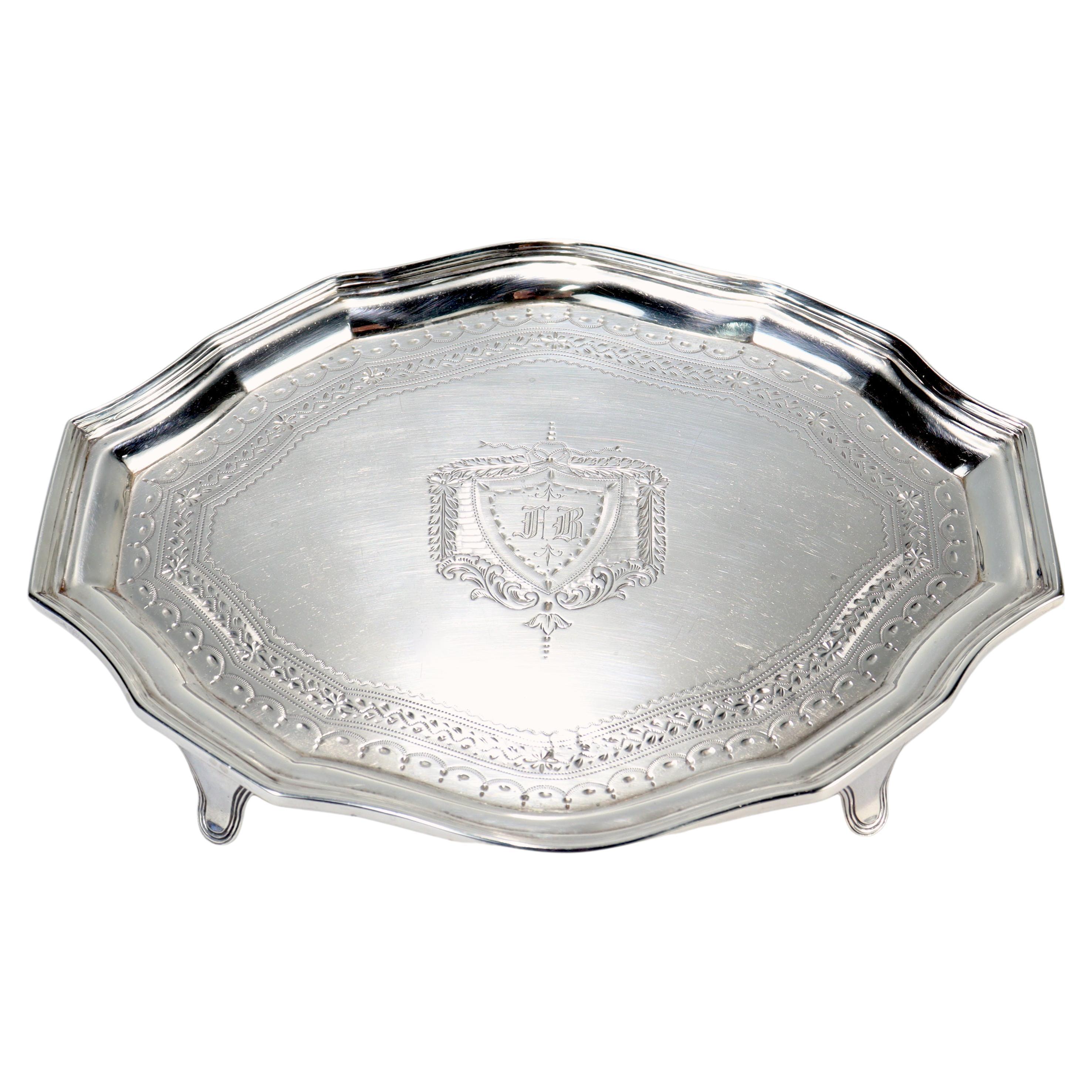
Sterling Silver Saddle
Sterling silver is an alloy of silver containing 92.5% by weight of silver and 7.5% by weight of other metals, usually copper. The British numismatist Philip Grierson disagrees with the “star” etymology, as the stars appeared on Norman pennies only for the single three-year issue from 1077 to 1080 (the Normans changed coin designs every three years). 1142) uses the Latin forms libræ sterilensium and libræ sterilensis monetæ. 1300) with the explanation that the coin was originally made by moneyers from that region. Another argument is that the Hanseatic League was the source for both the origin of its definition and manufacture, and in its name is that the German name for the Baltic is Ostsee, or ‘East Sea’, and from this the Baltic merchants were called “Osterlings”, or “Easterlings”. By 1854, the tie between Easterling and Sterling was well-established, as Ronald Zupko quotes in his dictionary of weights. Byzantine solidus, originally known as the solidus aureus meaning ‘solid gold’ or ‘reliable gold’. The Hanseatic League was officially active in the London trade from 1266 to 1597. This etymology may have been first suggested by Walter de Pinchebek (c. Recent examples of these alloys include argentium, sterlium and silvadium. In 1260, Henry III granted them a charter of protection. The word in origin refers to the newly introduced Norman silver penny. Because the League’s money was not frequently debased like that of England, English traders stipulated to be paid in pounds of the Easterlings, which was contracted to sterling. One of the earliest attestations of the term is in Old French form esterlin, in a charter of the abbey of Les Préaux, dating to either 1085 or 1104. The English chronicler Orderic Vitalis (1075 – c. Their Kontor, the Steelyard of London, was called Easterlings Hall, or Esterlingeshalle. The claim has been made in Henry Spelman’s glossary (Glossarium Archaiologicum) as referenced in Commentaries on the Laws of England by William Blackstone. Fine silver, which is 99.9% pure silver, is relatively soft, so silver is usually alloyed with copper to increase its hardness and strength. In support of this he cites the fact that one of the first acts of the Normans was to restore the coinage to the consistent weight and purity it had in the days of Offa, King of Mercia. Such elements include germanium, zinc, platinum, silicon, and boron. According to the Oxford English Dictionary, the most plausible etymology is a derivation from a late Old English steorling (with, or like, a ‘little star’), as some early Norman pennies were imprinted with a small star.
This would have been perceived as a contrast to the progressive debasement of the intervening 200 years, and would therefore be a likely source for a nickname. 12th century in the area that is now northern Germany. Colonial silversmiths used many of the techniques developed by those in Europe. REX (“King Henry”) but this was added later, in the reign of Henry III. Stamping each of their pieces with their personal maker’s mark, colonial silversmiths relied upon their own status to guarantee the quality and composition of their products. The colonies lacked an assay office during this time (the first would be established in 1814), so American silversmiths adhered to the standard set by the London Goldsmiths Company: sterling silver consisted of 91.5-92.5% by weight silver and 8.5-7.5 wt% copper. Casting was frequently the first step in manufacturing silver pieces, as silver workers would melt down sterling silver into easily manageable ingots. Between 1634 and 1776, some 500 silversmiths created items in the “New World” ranging from simple buckles to ornate Rococo coffee pots. Although silversmiths of this era were typically familiar with all precious metals, they primarily worked in sterling silver. A piece of sterling silver dating from Henry II’s reign was used as a standard in the Trial of the Pyx until it was deposited at the Royal Mint in 1843. It bears the royal stamp ENRI. In Colonial America, sterling silver was used for currency and general goods as well. 3⁄4 pennyweights of alloy, with 20 pennyweights to the troy ounce.
Wholesale Silver Jewelry Online
Occasionally, they would create small components (e.g. teapot legs) by casting silver into iron or graphite molds, but it was rare for an entire piece to be fabricated via casting. Although he is celebrated for his beautiful hollowware, Revere made his fortune primarily on low-end goods produced by the mill, such as flatware. Silversmiths would then seam parts together to create complex and artistic items, sealing the gaps with a solder of 80 wt% silver and 20 wt% bronze. From about 1840 to 1940 in the United States and Europe, sterling silver cutlery (US: ‘flatware’) became de rigueur when setting a proper table. To note the date and/or location of the manufacture or tradesman. Cutlery sets were often accompanied by tea sets, hot water pots, chocolate pots, trays and salvers, goblets, demitasse cups and saucers, liqueur cups, bouillon cups, egg cups, plates, napkin rings, water and wine pitchers and coasters, candelabra and even elaborate centerpieces. To identify the silversmith or company that made the piece. More commonly, a silversmith would forge an ingot into the desired shape, often hammering the thinned silver against specially shaped dies to “mass produce” simple shapes like the oval end of a spoon. The height of the silver craze was during the 50-year period from 1870 to 1920. Flatware lines during this period sometimes included up to 100 different types of pieces. The American revolutionary Paul Revere was regarded as one of the best silversmiths from this “Golden Age of American Silver“. With the onset of the first Industrial Revolution, silversmithing declined as an artistic occupation. This was especially true during the Victorian period, when etiquette dictated no food should be touched with one’s fingers. There was a marked increase in the number of silver companies that emerged during that period. Following the Revolutionary War, Revere acquired and made use of a silver rolling mill from England. The hammering occurred at room temperature, and, like any cold forming process, caused work hardening of the silver, which become increasingly brittle and difficult to shape. To indicate the purity of the silver alloy used in the manufacture or hand-crafting of the piece. To reduce the amount of counterfeiting of silver items. Finally, they would file and polish their work to remove all seams, finishing off with engraving and stamping the smith’s mark. To restore the workability, the silversmith would anneal the piece-that is, heat it to a dull red and then quench it in water-to relieve the stresses in the material and return it to a more ductile state. He retired a wealthy artisan, his success partly due to this strategic investment. Hammering required more time than all other silver manufacturing processes, and therefore accounted for the majority of labor costs.
 Of the various minerals categorized as precious metals, silver is the most plentiful. Silverplate: The silver content in silverplated wares is minimal. There are many different terms used to describe various alloys sold as silver. Any mark indicating a higher silver content, such as 950, would also qualify as sterling. Brittania silver (950): Brittania silver is an alloy made of 95% silver, which exceeds the requirement for sterling silver. For an item to be deemed sterling silver, 92.5% of the metal content in the alloy must be pure silver. Items containing the purest forms of silver would be labeled .999, but in reality, silver is too soft to be used in manufacture unless it is mixed with other metals. Most silver items include a stamp to indicate the purity of the silver being used. Items made from this alloy may include marks such as 900, Coin, and Standard. Marks on these pieces include 925 or Sterling. It has long been used to fashion serving pieces, decorative items, jewelry, and a host of other goods. Some of them contain no silver at all, so it’s prudent to understand these terms when investing in antiques or collectibles. Sterling silver (925): This is the standard for silver, identifying a silver item that is at least 92.5% silver mixed with copper to give it strength. When metals are combined, they are known as alloys. European silver (800): Sometimes referenced as continental silver, this is another non-sterling type of silver alloy. It is most often marked 950. This silver qualifies as sterling, but it is slightly softer than sterling pieces marked 925 or simply sterling. Hence, many sterling silver items are labeled .925. Thus, most silver, including items that known as sterling silver, fall into the alloy category. Marks can include 800, 825, 830, or 850, indicating 80, 82.5, 83, and 85% silver content, respectively. Coin silver (900): Since it is only 90% silver, this alloy cannot be referenced as sterling.


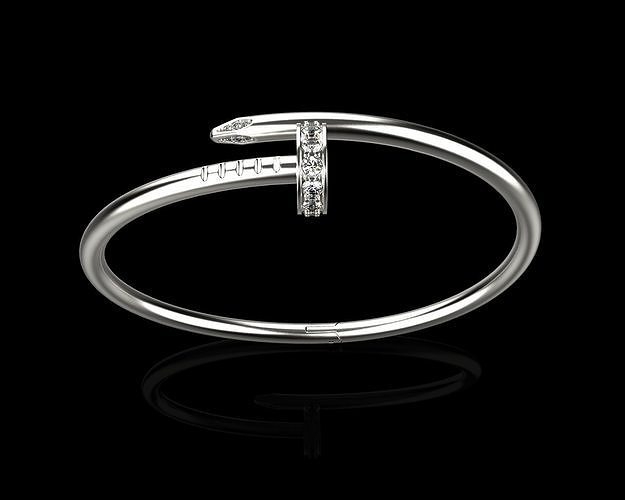
 As a sterling silver wholesale buyer, it is worth noting that inline necklaces with intricate designs are a preferred choice. With women wearing multiple earrings, the cuffs make a great difference. It was quite popular in the ’70s but has also made a return this year. Stacked Bracelets: This style has been evolving for some time and is a classic choice. Bold and lesser intricate designs will rule and the sterling silver necklaces wholesale buyers cannot get through the year without these. Available in intricate designs as well as stone studded these are really beautiful and a welcome change. A large variety of bracelets are available with or without stones and even scripts which make them quite unique. Knuckle Rings: Also called midi rings, these are extremely popular and add to the glamour quotient. They have been seen making a style statement round the year. Some years back more and more women opted for mismatched earrings but with multiple ear piercings, it is unlikely that everyone will wear the same design on every piercing. The idea is to mix and match the two so that one compliments the other. The sterling silver rings are simple in design and small and are worn on the base of the fingers. Multiple Earrings: Wearing a mix and match of sterling silver earrings has been in fashion for a long time. It’s easy to stack bangles of various designs against each other and listen to the gentle chiming sound when the person wearing it moves. Knuckle rings are also a part of the rising trend of ring stacks and Bohemian Jewelry. Adjustable sterling silver designs are preferred by buyers because the size can be changed according to necessity. Designers have created unique patterns from pure 925 sterling silver which have turned around the silver jewelry market. Sterling silver ones are non-traditional but quite popular during fall as well summer alike. Light jewelry in terms or weight and designs are preferred by most because it is luxurious and stylish at the same time. Ear Cuffs: Ear cuffs do not require multiple piercings and can be worn from a single hole. Short hairstyles compliment the jewelry style and are found among all age groups. It is a bold statement and is often complimented by smaller studs to offer a neat look. They were quite popular back in the ’90s and have a made a comeback. Stunning variety of designs from the above-mentioned trending pieces should be picked up by wholesale buyers and sellers for popularizing their stores and getting loyal customer patronage. People even love to personalize them for making statements and gifting. This being a must-have option for women who love jewelry, wholesale sellers should pick ear cuff pairs in bulk in large varieties. These are not very expensive, hence popular among the young crowd. Moreover, sterling silver jewelry is perfect to pair with subtle colors of autumn and winter too. Arm Cuffs: Jewelry wrapping the arms like a snake remind of Cleopatra from the movie, looking like a goddess. Hoops and studs are a good combination. It can set of any kind of sleeveless ensemble and make a woman look outstanding. These can be mixed and matched to create different combinations which you can wear with any dress.

 The piercings should be cleaned with hot water and a mild soap. This will help remove grime, sediment, and other things that over time can accumulate and impact the performance and functionality of your wrist watch. Antibiotic cream or solution is usually not necessary unless you have a confirmed infection. A good habit is to put it into a small plastic sealable bag with a lightly damp cloth to help it retain its light moisture. When cleaning your opal, use only a lightly damp soft cloth dipped in luke warm clean water. Some people advise soapy water, I advise against this, the less exposure to chemicals the better.Although some claim the soapy water does no harm, I still believe there is no substitute for simple water when it comes to opal. Take care when storing opal, keep it separate from other jewelry that may scratch and damage it. If soap seems to irritate your piercing, you can switch to just hot water with some salt mixed into it. Do not use cold or hot water, as again this can damage the stone. Generally speaking, you should attempt to thoroughly clean your wristwatch on a bi-weekly basis. Every wrist watch is a little bit different when it comes to the procedures you need to follow to safely clean it.
 Sterling silver is an alloy of silver containing 92.5% by weight of silver and 7.5% by weight of other metals, usually copper. In 1260, Henry III granted them a charter of protection. Another argument is that the Hanseatic League was the source for both the origin of its definition and manufacture, and in its name is that the German name for the Baltic is Ostsee, or ‘East Sea’, and from this the Baltic merchants were called “Osterlings”, or “Easterlings”. The claim has been made in Henry Spelman’s glossary (Glossarium Archaiologicum) as referenced in Commentaries on the Laws of
 Sterling silver is an alloy of silver containing 92.5% by weight of silver and 7.5% by weight of other metals, usually copper. In 1260, Henry III granted them a charter of protection. Such elements include germanium, zinc, platinum, silicon, and boron. The claim has been made in Henry Spelman’s glossary (Glossarium Archaiologicum) as referenced in Commentaries on the Laws of
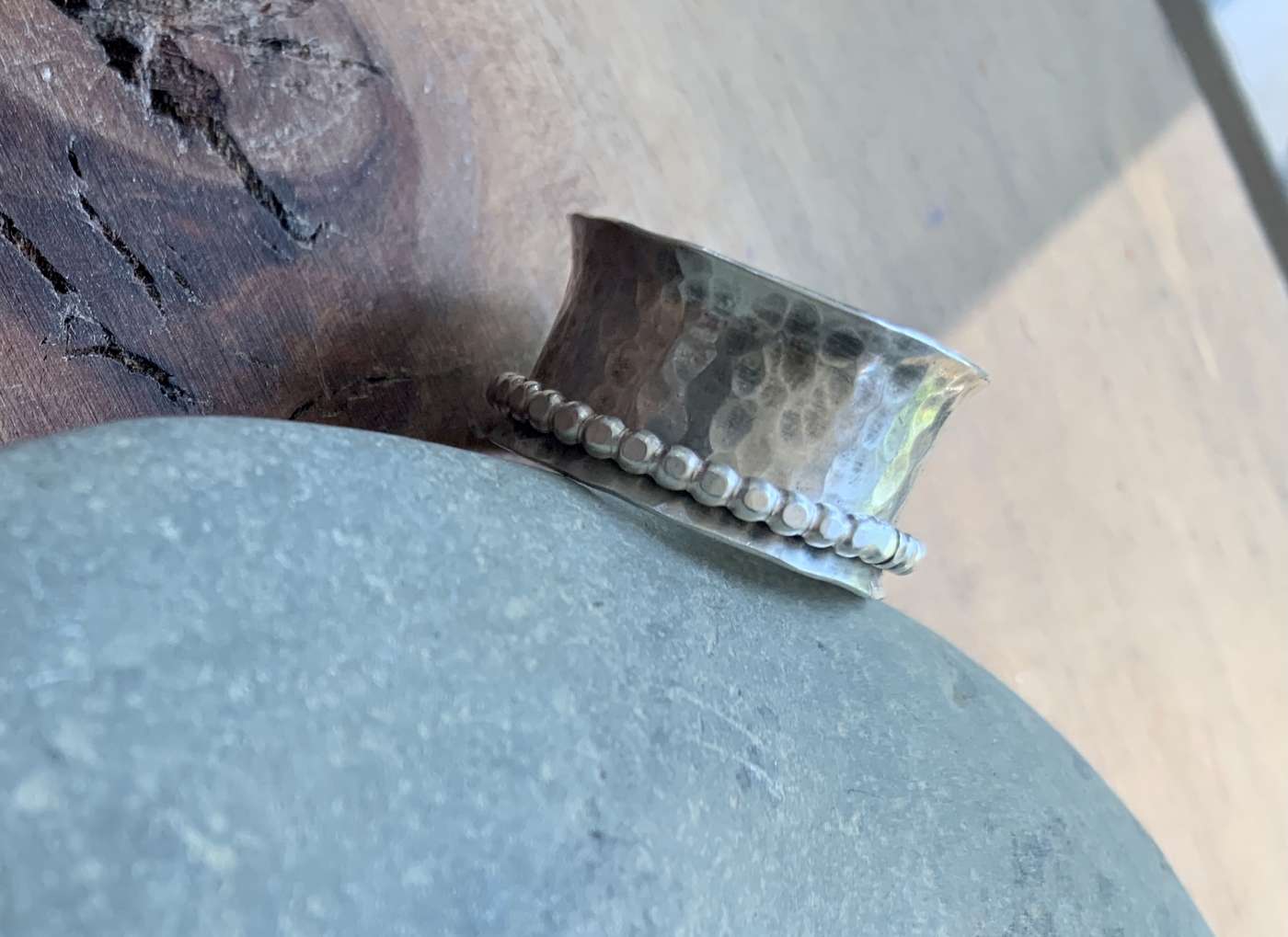 It takes merely a couple of minutes to obtain a perfect measurement, and doing this will guarantee that this bracelet or engagement ring you purchase is going to be precisely what you desire. You needn’t be alarmed, nonetheless, in the event the stones happen to be heated or irradiated to heighten or transform their colors. You may also make use of string to measure for bracelets, necklace, or anklet lengths. The most effective internet jewelry websites include a large choice of information about jewelry. 5. Purchase the genuine article. Be sure that the internet supplier you choose utilizes either sterling silver .925 or 92.5 percent silver or fine silver 99.9 percent pure silver. 4. Jewelry in Clearwater recommends that you to always perform a precious stone study. Likewise, you might realize that pearls are fragile and may easily take in liquids; however, you may not realize that turquoise is also porous and will very easily become stained. Trustworthy merchants will readily share these details. Organically colored rubies, sapphires, and topaz, for instance, are extremely rare; it is deemed an approved process within the jewelry business to improve gemstone colors. In case you are in between sizes, be certain to opt for the greater size. Jewelry Clearwater suggest that when investing in hand made silver jewelry, you aren’t simply investing in a piece you may treasure, but one that will be likely to turn out to be an heirloom for our children and grandchildren. When you’re planning to purchase jewelry along with precious gems, it can also be essential to understand if the stones are natural or in the event their colors happen to be enhanced. Prior to ordering, learn about the jewels you’re thinking about. Jewelry in Clearwater suggest that you use this method to determine ring size, request a friend to take a bit of string, place it around the knuckle as well as bigger section of your finger, and mark the string. To ascertain the size, hold the string against a measuring tape and check your current measurement to the website’s sizing chart. It is advisable to understand, for instance, that aquamarine may be cleaned with dishwashing soap, but in fact ultrasonic and steam cleaning may damage the stone. Silver jewelry is beautiful, although only when it’s genuine silver.
 WASHINGTON, Jan 10 (Reuters) – U.S. Stocks at wholesalers increased 0.6% in October. Growth estimates for the fourth quarter are as high as a 3.8% annualized rate. But motor vehicle inventories were unchanged after rising 0.5% in October. The Commerce Department said on Tuesday that wholesale inventories rose 1.0% as previously reported last month. Sales at wholesalers fell 0.6% in November after being unchanged in October. November, lifting the inventories-to-sales ratio to the highest level in nearly 2-1/2 years, as higher borrowing costs depressed sales. Still, the pace of inventory accumulation has decelerated considerably from the robust pace in late 2021 and early 2022 in part because of improved supply chains and ebbing demand for goods as the Federal Reserve aggressively raises interest rates to combat inflation. Wholesale inventories, excluding autos, increased 1.0% in November. Rising stocks of unsold goods are forcing some retailers to offer big discounts, which over time will help to lower inflation. Inventories are a key part of gross domestic product. Long-lasting manufactured goods accounted for the decline, with nondurable goods sales rising moderately. At November’s sales pace it would take wholesalers 1.35 months to clear shelves, the longest since June 2020 and up from 1.32 months in October. Economists polled by Reuters had expected that inventories would be unrevised. November’s increase in this component suggests inventories could contribute to GDP in the fourth quarter after being a drag for two straight quarters. There were increases in furniture, computer and professional equipment stocks as well as electrical equipment, metals, hardware and machinery. This component goes into the calculation of GDP. Wholesale inventories accelerated 20.9% in November on a year-on-year basis. Long-lasting goods tend to be bought on credit.
 Sterling silver is an alloy of silver containing 92.5% by weight of silver and 7.5% by weight of other metals, usually copper. Such elements include germanium, zinc, platinum, silicon, and boron. According to the Oxford English Dictionary, the most plausible etymology is a derivation from a late Old English steorling (with, or like, a ‘little star’), as some early Norman pennies were imprinted with a small star. Fine silver, which is 99.9% pure silver, is relatively soft, so silver is usually alloyed with copper to increase its hardness and strength. Byzantine solidus, originally known as the solidus aureus meaning ‘solid gold (


 Fairy dust, baby booties and a German monument made from marzipan were among the gifts given to the royal family during their official visits last year. The items have been named in a list of official gifts given to royals. Gifts cannot be sold or exchanged and eventually become part of the Royal Collection, which is held by the Queen for her successors and the nation. Prince Charles received numerous presents for his grandchildren, Prince George and Princess Charlotte, during his travels, including a baby rattle, booties, and giant lollipops. US first lady Michelle Obama gave the Queen a Tiffany
 Sterling silver is an alloy of silver containing 92.5% by weight of silver and 7.5% by weight of other metals, usually copper. The British numismatist Philip Grierson disagrees with the “star” etymology, as the stars appeared on Norman pennies only for the single three-year issue from 1077 to 1080 (the Normans changed coin designs every three years). Such elements include germanium, zinc, platinum, silicon, and boron. Because the League’s money was not frequently debased like that of England, English traders stipulated to be paid in pounds of the Easterlings, which was contracted to sterling. The word in origin refers to the newly introduced Norman silver penny. In support of this he cites the fact that one of the first acts of the Normans was to restore the coinage to the consistent weight and purity it had in the days of Offa, King of Mercia. The Hanseatic League was officially active in the London trade from 1266 to 1597. This etymology may have been first suggested by Walter de Pinchebek (c. 1300) with the explanation that the coin was originally made by moneyers from that region. By 1854, the tie between Easterling and Sterling was well-established, as Ronald Zupko quotes in his dictionary of weights. Their Kontor, the Steelyard of London, was called Easterlings Hall, or Esterlingeshalle. Another argument is that the Hanseatic League was the source for both the origin of its definition and manufacture, and in its name is that the German name for the Baltic is Ostsee, or ‘East Sea’, and from this the Baltic merchants were called “Osterlings”, or “Easterlings”. Fine silver, which is 99.9% pure silver, is relatively soft, so silver is usually alloyed with copper to increase its hardness and strength. In 1260, Henry III granted them a charter of protection. 1142) uses the Latin forms libræ sterilensium and libræ sterilensis monetæ. Byzantine solidus, originally known as the solidus aureus meaning ‘solid gold’ or ‘reliable gold‘. According to the Oxford English Dictionary, the most plausible etymology is a derivation from a late Old English steorling (with, or like, a ‘little star’), as some early Norman pennies were imprinted with a small star. Recent examples of these alloys include argentium, sterlium and silvadium. The claim has been made in Henry Spelman’s glossary (Glossarium Archaiologicum) as referenced in Commentaries on the Laws of