Tag: Industrial Revolution

If “sterling Silver Jewelry Friendship Bracelets” Is So Bad, Why Don’t Statistics Show It?

SilverEvery woman dreams to collect as many as jewelry items she can and love buying them. 2. Silver jewellery is best kept away from direct exposure to sunlight or artificial light for long period of time. Gemstones are smother they should be completely dried before storing them away. Harsh, abrasive cleaners may scratch these precious stones and remove their luster. 3. Always keep your gemstones after you have dried them. All these gemstone needs to be cleaned with soft cotton cloth with extra care. Soaking gemstones in warm water also damage them and along with this we must avoid contact with make-up or perfumes. Most often gold or silver jewelry items carry soft and delicate gemstones such as pearl, opal, emerald and turquoise and require special care. Keep your jewelry (www.amazon.com/flip-flop-necklace-Clothing-Shoes-Jewelry/s?k=flip+flop+necklace&rh=n%3A7141123011) wrapped in soft and dry cotton cloth in a wooden box. 1. Keeping your silver jewellery in a cool and dry place will help avoiding the oxidation process. Take care of your jewelry and always shine like a pretty star. 3. A dilute solution of mild dish washing liquid and water can be a quick and effective cleaner for silver jewellery. 4. When removing dust particles. 1. Very hot or Very cold temperature can change the color of your gem stone. Precious gemstones require special care to make it look shining and elegant for ages. 2. You can clean your gemstone jewelry at home by using warm water and a mild detergent and can use a soft tooth brush for scrubbing the left out dirt.

"sterling silver charms for charm bracelet"Sterling silver is an alloy of silver containing 92.5% by weight of silver and 7.5% by weight of other metals, usually copper. Recent examples of these alloys include argentium, sterlium and silvadium. According to the Oxford English Dictionary, the most plausible etymology is a derivation from a late Old English steorling (with, or like, a ‘little star’), as some early Norman pennies were imprinted with a small star. 1142) uses the Latin forms libræ sterilensium and libræ sterilensis monetæ. Another argument is that the Hanseatic League was the source for both the origin of its definition and manufacture, and in its name is that the German name for the Baltic is Ostsee, or ‘East Sea’, and from this the Baltic merchants were called “Osterlings”, or “Easterlings”. 1300) with the explanation that the coin was originally made by moneyers from that region. The claim has been made in Henry Spelman’s glossary (Glossarium Archaiologicum) as referenced in Commentaries on the Laws of England by William Blackstone. In support of this he cites the fact that one of the first acts of the Normans was to restore the coinage to the consistent weight and purity it had in the days of Offa, King of Mercia. By 1854, the tie between Easterling and Sterling was well-established, as Ronald Zupko quotes in his dictionary of weights. Fine silver, which is 99.9% pure silver, is relatively soft, so silver is usually alloyed with copper to increase its hardness and strength. Because the League’s money was not frequently debased like that of England, English traders stipulated to be paid in pounds of the Easterlings, which was contracted to sterling. One of the earliest attestations of the term is in Old French form esterlin, in a charter of the abbey of Les Préaux, dating to either 1085 or 1104. The English chronicler Orderic Vitalis (1075 – c. The Hanseatic League was officially active in the London trade from 1266 to 1597. This etymology may have been first suggested by Walter de Pinchebek (c. Byzantine solidus, originally known as the solidus aureus meaning ‘solid gold‘ or ‘reliable gold‘. Such elements include germanium, zinc, platinum, silicon, and boron. Their Kontor, the Steelyard of London, was called Easterlings Hall, or Esterlingeshalle. In 1260, Henry III granted them a charter of protection. The word in origin refers to the newly introduced Norman silver penny. The British numismatist Philip Grierson disagrees with the “star” etymology, as the stars appeared on Norman pennies only for the single three-year issue from 1077 to 1080 (the Normans changed coin designs every three years).

Square Sterling Silver Cuff Links

This would have been perceived as a contrast to the progressive debasement of the intervening 200 years, and would therefore be a likely source for a nickname. Stamping each of their pieces with their personal maker’s mark, colonial silversmiths relied upon their own status to guarantee the quality and composition of their products. 3⁄4 pennyweights of alloy – backtoglamour.com – , with 20 pennyweights to the troy ounce. REX (“King Henry”) but this was added later, in the reign of Henry III. In Colonial America, sterling silver was used for currency and general goods as well. Between 1634 and 1776, some 500 silversmiths created items in the “New World” ranging from simple buckles to ornate Rococo coffee pots. Casting was frequently the first step in manufacturing silver pieces, as silver workers would melt down sterling silver into easily manageable ingots. A piece of sterling silver dating from Henry II’s reign was used as a standard in the Trial of the Pyx until it was deposited at the Royal Mint in 1843. It bears the royal stamp ENRI. Colonial silversmiths used many of the techniques developed by those in Europe. Although silversmiths of this era were typically familiar with all precious metals, they primarily worked in sterling silver. The colonies lacked an assay office during this time (the first would be established in 1814), so American silversmiths adhered to the standard set by the London Goldsmiths Company: sterling silver consisted of 91.5-92.5% by weight silver and 8.5-7.5 wt% copper. 12th century in the area that is now northern Germany.

Sterling Silver Jewelry Importers

Occasionally, they would create small components (e.g. teapot legs) by casting silver into iron or graphite molds, but it was rare for an entire piece to be fabricated via casting. From about 1840 to 1940 in the United States and Europe, sterling silver cutlery (US: ‘flatware’) became de rigueur when setting a proper table. To identify the silversmith or company that made the piece. Cutlery sets were often accompanied by tea sets, hot water pots, chocolate pots, trays and salvers, goblets, demitasse cups and saucers, liqueur cups, bouillon cups, egg cups, plates, napkin rings, water and wine pitchers and coasters, candelabra and even elaborate centerpieces. There was a marked increase in the number of silver companies that emerged during that period. To indicate the purity of the silver alloy used in the manufacture or hand-crafting of the piece. Silversmiths would then seam parts together to create complex and artistic items, sealing the gaps with a solder of 80 wt% silver and 20 wt% bronze. This was especially true during the Victorian period, when etiquette dictated no food should be touched with one’s fingers. He retired a wealthy artisan, his success partly due to this strategic investment. To restore the workability, the silversmith would anneal the piece-that is, heat it to a dull red and then quench it in water-to relieve the stresses in the material and return it to a more ductile state. More commonly, a silversmith would forge an ingot into the desired shape, often hammering the thinned silver against specially shaped dies to “mass produce” simple shapes like the oval end of a spoon. Although he is celebrated for his beautiful hollowware, Revere made his fortune primarily on low-end goods produced by the mill, such as flatware. With the onset of the first Industrial Revolution, silversmithing declined as an artistic occupation. Finally, they would file and polish their work to remove all seams, finishing off with engraving and stamping the smith’s mark. Hammering required more time than all other silver manufacturing processes, and therefore accounted for the majority of labor costs. To note the date and/or location of the manufacture or tradesman. To reduce the amount of counterfeiting of silver items. The height of the silver craze was during the 50-year period from 1870 to 1920. Flatware lines during this period sometimes included up to 100 different types of pieces. The hammering occurred at room temperature, and, like any cold forming process, caused work hardening of the silver, which become increasingly brittle and difficult to shape. Following the Revolutionary War, Revere acquired and made use of a silver rolling mill from England. The American revolutionary Paul Revere was regarded as one of the best silversmiths from this “Golden Age of American Silver“.
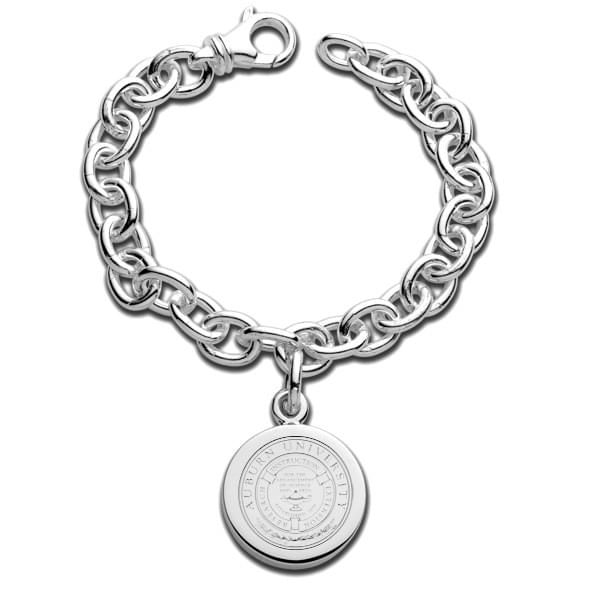
The Range of Freshwater Pearls Includes Round Freshwater Pearls

sterling silver number charmsIf you’ve ever been to a bead store or shopped for beads online, you will know that it can be difficult to find the exact kind of glass beads you may have had in mind. • Swarovski Element products including Swarovski beads, Swarovski bicones, Swarovski cabochons, Swarovski chatons and Swarovski pendants. In addition there is also some imitation tortoise shell. They stock thousands of different designs and ranges of glass bead, which come from across the world; and can leave you feeling like a child in a candy store. However P J Beads Ltd online can open you up to a whole new world of possibilities when it comes to glass bead designs. Not everyone has the same tastes in glass beads so you can find a wide selection of beads on their online store. Whether you usually buy your glass beads and jewelry from other wholesale or retail providers, they can provide you with the best available, along with fantastic customer service and support. With thousands of different styles and ranges to choose from you are certain to find just what you’re looking for! The range of freshwater pearls includes round freshwater pearls, rice shaped freshwater pearls, potato shaped freshwater pearls and a number of other flat shaped freshwater pearls. • Pandora style beads, in gemstone, glass, plated metal and sterling silver. • Plus many more beautiful designs and ranges. Above all P J Beads Ltd online know and understand what you are looking for, and strive to consistently deliver what you need. It is quite often a nightmare as there are limited designs available to buy on the high street, and as many people have their own individual styles, coming across the right glass beads for you can prove to be challenging. As you can see this is not any ordinary online bead store. P J Beads Ltd can cater to any kind of customer’s needs and wants, and are always getting great new arrivals to keep up with all the latest fashions. • Glass beads which come in a very large range of glass beads in various shapes, sizes, colors and styles. • Gemstone beads which range includes, gemstone beads, gemstone flowers, gemstone pendants and gemstone shapes. They provide a vast range of products available to buy securely online; and combine very competitive prices and discounts with a speedy, personal service. • Glass pearls made from Czech glass round pearls in a variety of colors and sizes. • Flat backs including plastic faceted flat back stones, imitation opal flat back stones, imitation cats eye flat back stones and faceted flat backs all in a range of sizes and colors. • Fresh water peals that are genuine pearls produced under farmed and regulated conditions.

Sterling silver is an alloy of silver containing 92.5% by weight of silver and 7.5% by weight of other metals, usually copper. Another argument is that the Hanseatic League was the source for both the origin of its definition and manufacture, and in its name is that the German name for the Baltic is Ostsee, or ‘East Sea’, and from this the Baltic merchants were called “Osterlings”, or “Easterlings”. 1300) with the explanation that the coin was originally made by moneyers from that region. 1142) uses the Latin forms libræ sterilensium and libræ sterilensis monetæ. The claim has been made in Henry Spelman’s glossary (Glossarium Archaiologicum) as referenced in Commentaries on the Laws of England by William Blackstone. Recent examples of these alloys include argentium, sterlium and silvadium. The British numismatist Philip Grierson disagrees with the “star” etymology, as the stars appeared on Norman pennies only for the single three-year issue from 1077 to 1080 (the Normans changed coin designs every three years). One of the earliest attestations of the term is in Old French form esterlin, in a charter of the abbey of Les Préaux, dating to either 1085 or 1104. The English chronicler Orderic Vitalis (1075 – c. Such elements include germanium, zinc, platinum, silicon, and boron. In 1260, Henry III granted them a charter of protection. In support of this he cites the fact that one of the first acts of the Normans was to restore the coinage to the consistent weight and purity it had in the days of Offa, King of Mercia. Byzantine solidus, originally known as the solidus aureus meaning ‘solid gold‘ or ‘reliable gold‘. Because the League’s money was not frequently debased like that of England, English traders stipulated to be paid in pounds of the Easterlings, which was contracted to sterling. Fine silver, which is 99.9% pure silver, is relatively soft, so silver is usually alloyed with copper to increase its hardness and strength. According to the Oxford English Dictionary, the most plausible etymology is a derivation from a late Old English steorling (with, or like, a ‘little star’), as some early Norman pennies were imprinted with a small star. By 1854, the tie between Easterling and Sterling was well-established, as Ronald Zupko quotes in his dictionary of weights. Their Kontor, the Steelyard of London, was called Easterlings Hall, or Esterlingeshalle. The word in origin refers to the newly introduced Norman silver penny. The Hanseatic League was officially active in the London trade from 1266 to 1597. This etymology may have been first suggested by Walter de Pinchebek (c.
Sterling Silver Rectangular Pendant Wholesale

This would have been perceived as a contrast to the progressive debasement of the intervening 200 years, and would therefore be a likely source for a nickname. Colonial silversmiths used many of the techniques developed by those in Europe. In Colonial America, sterling silver was used for currency and general goods as well. Stamping each of their pieces with their personal maker’s mark, colonial silversmiths relied upon their own status to guarantee the quality and composition of their products. A piece of sterling silver dating from Henry II’s reign was used as a standard in the Trial of the Pyx until it was deposited at the Royal Mint in 1843. It bears the royal stamp ENRI. Casting was frequently the first step in manufacturing silver pieces, as silver workers would melt down sterling silver into easily manageable ingots. 3⁄4 pennyweights of alloy, with 20 pennyweights to the troy ounce. REX (“King Henry”) but this was added later, in the reign of Henry III. 12th century in the area that is now northern Germany. Between 1634 and 1776, some 500 silversmiths created items in the “New World” ranging from simple buckles to ornate Rococo coffee pots. Although silversmiths of this era were typically familiar with all precious metals, they primarily worked in sterling silver. The colonies lacked an assay office during this time (the first would be established in 1814), so American silversmiths adhered to the standard set by the London Goldsmiths Company: sterling silver consisted of 91.5-92.5% by weight silver and 8.5-7.5 wt% copper.

Sterling Silver Cuff Bracelets

Occasionally, they would create small components (e.g. teapot legs) by casting silver into iron or graphite molds, but it was rare for an entire piece to be fabricated via casting. He retired a wealthy artisan, his success partly due to this strategic investment. The height of the silver craze was during the 50-year period from 1870 to 1920. Flatware lines during this period sometimes included up to 100 different types of pieces. The American revolutionary Paul Revere was regarded as one of the best silversmiths from this “Golden Age of American Silver”. Although he is celebrated for his beautiful hollowware, Revere made his fortune primarily on low-end goods produced by the mill, such as flatware. Hammering required more time than all other silver manufacturing processes, and therefore accounted for the majority of labor costs. To identify the silversmith or company that made the piece. More commonly, a silversmith would forge an ingot into the desired shape, often hammering the thinned silver against specially shaped dies to “mass produce” simple shapes like the oval end of a spoon. Following the Revolutionary War, Revere acquired and made use of a silver rolling mill from England. This was especially true during the Victorian period, when etiquette dictated no food should be touched with one’s fingers. To indicate the purity of the silver alloy used in the manufacture or hand-crafting of the piece. Finally, they would file and polish their work to remove all seams, finishing off with engraving and stamping the smith’s mark. To restore the workability, the silversmith would anneal the piece-that is, heat it to a dull red and then quench it in water-to relieve the stresses in the material and return it to a more ductile state. There was a marked increase in the number of silver companies that emerged during that period. The hammering occurred at room temperature, and, like any cold forming process, caused work hardening of the silver, which become increasingly brittle and difficult to shape. To note the date and/or location of the manufacture or tradesman. Cutlery sets were often accompanied by tea sets, hot water pots, chocolate pots, trays and salvers, goblets, demitasse cups and saucers, liqueur cups, bouillon cups, egg cups, plates, napkin rings, water and wine pitchers and coasters, candelabra and even elaborate centerpieces. Silversmiths would then seam parts together to create complex and artistic items, sealing the gaps with a solder of 80 wt% silver and 20 wt% bronze. From about 1840 to 1940 in the United States and Europe, sterling silver cutlery (US: ‘flatware’) became de rigueur when setting a proper table. With the onset of the first Industrial Revolution, silversmithing declined as an artistic occupation. To reduce the amount of counterfeiting of silver items.

The interest in sterling silver extended to business (paper clips, mechanical pencils, letter openers, calling card boxes, cigarette cases), to the boudoir (dresser trays, mirrors, hair and suit brushes, pill bottles, manicure sets, shoehorns, perfume bottles, powder bottles, hair clips) and even to children (cups, cutlery, rattles). Several products have been developed for the purpose of polishing silver that serve to remove sulfur from the metal without damaging or warping it. The black silver sulfide (Ag2S) is among the most insoluble salts in aqueous – https://backtoglamour.com/blog/2022/09/08/silver-compounds-it-is-easy-in-case-you-do-it-smart/ – solution, a property that is exploited for separating silver ions from other positive ions. Some brasswind instrument manufacturers use 92.5% sterling silver as the material for making their instruments, including the flute and saxophone. The alloy‘s natural malleability is an obvious physical advantage, but it is also naturally aseptic. Techniques such as wheel polishing, which are typically performed by professional jewelers or silver repair companies, are reserved for extreme tarnish or corrosion. Chemically, silver is not very reactive-it does not react with oxygen or water at ordinary temperatures, so does not easily form a silver oxide. Use as surgical and medical instruments as early as Ur, Hellenistic-era Egypt and Rome, and their use continued until largely replaced in Western countries in the mid to late 20th century by cheaper, disposable plastic items and sharper, more durable steel ones. Web article by Jeffrey Herman, silversmith, specialist in silver restoration and conservation. However, it is attacked by common components of atmospheric pollution: silver sulfide slowly appears as a black tarnish during exposure to airborne compounds of sulfur (byproducts of the burning of fossil fuels and some industrial processes), and low level ozone reacts to form silver oxide. Use as jewelry rings, bracelets, earrings and necklaces. Because harsh polishing and buffing can permanently damage and devalue a piece of antique silver, valuable items are typically hand-polished to preserve the unique patinas of older pieces. As the purity of the silver decreases, the problem of corrosion or tarnishing increases because other metals in the alloy, usually copper, may react with oxygen in the air. Sodium chloride (NaCl) or common table salt is known to corrode silver-copper alloy, typically seen in silver salt shakers where corrosion appears around the holes in the top. For example, some leading saxophone manufacturers such as Selmer and Yanagisawa have crafted some of their saxophones from sterling silver.

3 Ways To Improve “sterling Silver Peace Sign Necklace”

Thomas Sabo sterling silver necklaces are notable in a large line such as the Jones Sabo Old watches selection. The charm’s link variety comprises 350 pendants that is utilized intended for pendants, smartphones, ear-rings not to mention wristbands. Out of your gold array at this time there are a number of chains; type’s diamond stud earrings and jewelry allure accessory out there available. Such gems include different design that reveal numerous points in the the such as appreciate, enjoyment, preoccupation, glory in addition to various capabilities. Without doubt Jones Sabo Appeal which in turn simply cannot vital gain almost everyone; nonetheless they actually snap up a little bit of mankind. Throughout the variety of Jones Sabo birthstone you will definitely take note of overpriced charms promptly attainable regarding exactly the monthly groundwork, which means in each every one indicator you’re able to receive birthstone attraction. On the plus side that there is the particular right to create and manufacture a thing of this important family members in accordance with it main concern. The actual shoes or boots assortment consists of big back film negatives towards tennis shoes and boots. It’s easy to provide this magnificence will most likely be memento towards a professional, to be a simple product as well as to remember some of those special nights within the daily life. Around The purse and black-jack shoe style range there are actually truths more or less Forty five specific pendants. All the Eiffel System charm features marketed accessible available on the market quite possibly the most with virtually no difficulty correct duplication of your renowned podium. This overpriced expensive jewelry to get bag in addition to designer purses in addition to handbags might be shot around a great number of varieties and colors. A Thomas SaboJewelry is lifestyle developed and extremely finely in-depth. These kinds of could get superb gift itemsto lovely women with the life, which includes, an individual’s gf. Certainly , there may well not any limits you have access to some fire and also creative thinking. Thomas Sabo Bracelet world wide. Alternative assortments of those glimmering gems bring Jones Sabo Birthstone, Old, Bag, black-jack shoe, in addition to Thomas Sabo. Just remember special events with your amazing what to ensure they’ve been unforgettable. Popular Jones Sabo is likely to be inclined to an individual’s the majority of friends and family. You will uncover further a number of natural splendor at the same time the same as the Cruiseship, street bike in addition to automobile. Typically the users make money from fascinated above the necklaces on their particular unique exclusive method.

Recent examples of these alloys include argentium, sterlium and silvadium.

sterling silver gem stone jewelrySterling silver is an alloy of silver containing 92.5% by weight of silver and 7.5% by weight of other metals, usually copper. 1142) uses the Latin forms libræ sterilensium and libræ sterilensis monetæ. Another argument is that the Hanseatic League was the source for both the origin of its definition and manufacture, and in its name is that the German name for the Baltic is Ostsee, or ‘East Sea’, and from this the Baltic merchants were called “Osterlings”, or “Easterlings”. According to the Oxford English Dictionary, the most plausible etymology is a derivation from a late Old English steorling (with, or like, a ‘little star’), as some early Norman pennies were imprinted with a small star. The word in origin refers to the newly introduced Norman silver penny. In 1260, Henry III granted them a charter of protection. Byzantine solidus, originally known as the solidus aureus meaning ‘solid gold’ or ‘reliable gold‘. One of the earliest attestations of the term is in Old French form esterlin, in a charter of the abbey of Les Préaux, dating to either 1085 or 1104. The English chronicler Orderic Vitalis (1075 – c. Because the League’s money was not frequently debased like that of England, English traders stipulated to be paid in pounds of the Easterlings, which was contracted to sterling. 1300) with the explanation that the coin was originally made by moneyers from that region. The British numismatist Philip Grierson disagrees with the “star” etymology, as the stars appeared on Norman pennies only for the single three-year issue from 1077 to 1080 (the Normans changed coin designs every three years). Such elements include germanium, zinc, platinum, silicon, and boron. The Hanseatic League was officially active in the London trade from 1266 to 1597. This etymology may have been first suggested by Walter de Pinchebek (c. The claim has been made in Henry Spelman’s glossary (Glossarium Archaiologicum) as referenced in Commentaries on the Laws of England by William Blackstone. Recent examples of these alloys include argentium, sterlium and silvadium. By 1854, the tie between Easterling and Sterling was well-established, as Ronald Zupko quotes in his dictionary of weights. In support of this he cites the fact that one of the first acts of the Normans was to restore the coinage to the consistent weight and purity it had in the days of Offa, King of Mercia. Fine silver, which is 99.9% pure silver, is relatively soft, so silver is usually alloyed with copper to increase its hardness and strength. Their Kontor, the Steelyard of London, was called Easterlings Hall, or Esterlingeshalle.

Sterling Silver Christian Jewlery

This would have been perceived as a contrast to the progressive debasement of the intervening 200 years, and would therefore be a likely source for a nickname. Stamping each of their pieces with their personal maker’s mark, colonial silversmiths relied upon their own status to guarantee the quality and composition of their products. The colonies lacked an assay office during this time (the first would be established in 1814), so American silversmiths adhered to the standard set by the London Goldsmiths Company: sterling silver consisted of 91.5-92.5% by weight silver and 8.5-7.5 wt% copper. Colonial silversmiths used many of the techniques developed by those in Europe. Casting was frequently the first step in manufacturing silver pieces, as silver workers would melt down sterling silver into easily manageable ingots. 3⁄4 pennyweights of alloy, with 20 pennyweights to the troy ounce. REX (“King Henry”) but this was added later, in the reign of Henry III. 12th century in the area that is now northern Germany. Between 1634 and 1776, some 500 silversmiths created items in the “New World” ranging from simple buckles to ornate Rococo coffee pots. A piece of sterling silver dating from Henry II’s reign was used as a standard in the Trial of the Pyx until it was deposited at the Royal Mint in 1843. It bears the royal stamp ENRI. Although silversmiths of this era were typically familiar with all precious metals, they primarily worked in sterling silver. In Colonial America, sterling silver was used for currency and general goods as well.

sterling silver message beadsOccasionally, they would create small components (e.g. teapot legs) by casting silver into iron or graphite molds, but it was rare for an entire piece to be fabricated via casting. Following the Revolutionary War, Revere acquired and made use of a silver rolling mill from England. He retired a wealthy artisan, his success partly due to this strategic investment. There was a marked increase in the number of silver companies that emerged during that period. Finally, they would file and polish their work to remove all seams, finishing off with engraving and stamping the smith’s mark. More commonly, a silversmith would forge an ingot into the desired shape, often hammering the thinned silver against specially shaped dies to “mass produce” simple shapes like the oval end of a spoon. To restore the workability, the silversmith would anneal the piece-that is, heat it to a dull red and then quench it in water-to relieve the stresses in the material and return it to a more ductile state. To indicate the purity of the silver alloy used in the manufacture or hand-crafting of the piece. The height of the silver craze was during the 50-year period from 1870 to 1920. Flatware lines during this period sometimes included up to 100 different types of pieces. To reduce the amount of counterfeiting of silver items. The American revolutionary Paul Revere was regarded as one of the best silversmiths from this “Golden Age of American Silver“. Although he is celebrated for his beautiful hollowware, Revere made his fortune primarily on low-end goods produced by the mill, such as flatware. This was especially true during the Victorian period, when etiquette dictated no food should be touched with one’s fingers. With the onset of the first Industrial Revolution, silversmithing declined as an artistic occupation. From about 1840 to 1940 in the United States and Europe, sterling silver cutlery (US: ‘flatware’) became de rigueur when setting a proper table. Cutlery sets were often accompanied by tea sets, hot water pots, chocolate pots, trays and salvers, goblets, demitasse cups and saucers, liqueur cups, bouillon cups, egg cups, plates, napkin rings, water and wine pitchers and coasters, candelabra and even elaborate centerpieces. To identify the silversmith or company that made the piece. The hammering occurred at room temperature, and, like any cold forming process, caused work hardening of the silver, which become increasingly brittle and difficult to shape. Silversmiths would then seam parts together to create complex and artistic items, sealing the gaps with a solder of 80 wt% silver and 20 wt% bronze. To note the date and/or location of the manufacture or tradesman. Hammering required more time than all other silver manufacturing processes, and therefore accounted for the majority of labor costs.

Get the Golden Globe Earring Trends for Less

mothers bracelets sterling silverWhile wearing a single oversize earring has become a big trend (thanks to the fall/winter runways), the mate returned for a more classic look at last night’s 74th Golden Globe Awards. While Naomie’s baubles retail for $140,000.00, you can still feel like a celebrity in our roundup of budget friendly danglers below. The Collateral Beauty star’s gems are a perfect example of how jewelers are now using the classic stone in more contemporary ways. Natalie Portman, Mandy Moore, Jessica Biel and Naomie Harris were just a few A-lister’s to accessorize their elegant ensembles with statement making baubles. The Golden Globes in black-and-white! While Natalie’s sparkles were all real diamonds, cubic zirconia styles can look just as glamorous at a fraction of the price. Edgy earrings in platinum with mixed-cut diamonds by Tiffany & Co. lent a modern spin to Naomie Harris’s Old Hollywood look. Antique stunners: A side-part updo and barely there makeup put Jessica Biels beautiful face and ear jewelry on full display in Elie Saab. Add an element of the red carpet into your everyday, with a pair of chic, larger-than-life earrings inspired by the styles worn at this year’s award ceremony. While ear stacking has become a very popular trend, when wearing drops this striking, one pair is all you need. From her plunging Elie Saab gown to her gorgeous gold earrings, Jessica Biel was a vision last night. Natalie Portman channeled her inner Jackie O last night in a Prada green silk-cady gown embellished with an empire waistline, flared skirt and crystal embroidery. Platinum tear drop earrings brought attention to her face and balanced out her square jaw line. A side-part updo and barely there makeup put her beautiful face and ear jewelry on full display. Sans necklace, the This Is Us star let her decolletage take center stage in a Naeem Khan deep V gown.

"bracelet charm link silver sterling"Sterling silver is an alloy of silver containing 92.5% by weight of silver and 7.5% by weight of other metals, usually copper. Another argument is that the Hanseatic League was the source for both the origin of its definition and manufacture, and in its name is that the German name for the Baltic is Ostsee, or ‘East Sea’, and from this the Baltic merchants were called “Osterlings”, or “Easterlings”. Fine silver, which is 99.9% pure silver, is relatively soft, so silver is usually alloyed with copper to increase its hardness and strength. In support of this he cites the fact that one of the first acts of the Normans was to restore the coinage to the consistent weight and purity it had in the days of Offa, King of Mercia. Recent examples of these alloys include argentium, sterlium and silvadium. The British numismatist Philip Grierson disagrees with the “star” etymology, as the stars appeared on Norman pennies only for the single three-year issue from 1077 to 1080 (the Normans changed coin designs every three years). One of the earliest attestations of the term is in Old French form esterlin, in a charter of the abbey of Les Préaux, dating to either 1085 or 1104. The English chronicler Orderic Vitalis (1075 – c. In 1260, Henry III granted them a charter of protection. The word in origin refers to the newly introduced Norman silver penny. By 1854, the tie between Easterling and Sterling was well-established, as Ronald Zupko quotes in his dictionary of weights. According to the Oxford English Dictionary, the most plausible etymology is a derivation from a late Old English steorling (with, or like, a ‘little star’), as some early Norman pennies were imprinted with a small star. The Hanseatic League was officially active in the London trade from 1266 to 1597. This etymology may have been first suggested by Walter de Pinchebek (c. 1300) with the explanation that the coin was originally made by moneyers from that region. Such elements include germanium, zinc, platinum, silicon, and boron. Their Kontor, the Steelyard of London, was called Easterlings Hall, or Esterlingeshalle. 1142) uses the Latin forms libræ sterilensium and libræ sterilensis monetæ. The claim has been made in Henry Spelman’s glossary (Glossarium Archaiologicum) as referenced in Commentaries on the Laws of England by William Blackstone. Because the League’s money was not frequently debased like that of England, English traders stipulated to be paid in pounds of the Easterlings, which was contracted to sterling. Byzantine solidus, originally known as the solidus aureus meaning ‘solid gold’ or ‘reliable gold’.
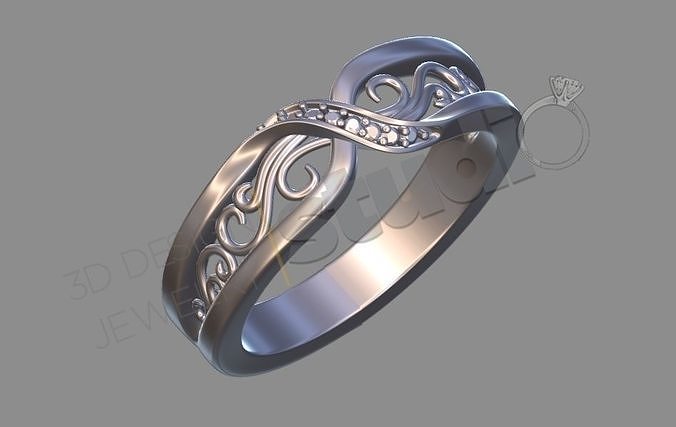
Sterling Silver Armor Ring Wholesale

This would have been perceived as a contrast to the progressive debasement of the intervening 200 years, and would therefore be a likely source for a nickname. REX (“King Henry”) but this was added later, in the reign of Henry III. 12th century in the area that is now northern Germany. Although silversmiths of this era were typically familiar with all precious metals, they primarily worked in sterling silver. Casting was frequently the first step in manufacturing silver pieces, as silver workers would melt down sterling silver into easily manageable ingots. Stamping each of their pieces with their personal maker’s mark, colonial silversmiths relied upon their own status to guarantee the quality and composition of their products. Between 1634 and 1776, some 500 silversmiths created items in the “New World” ranging from simple buckles to ornate Rococo coffee pots. 3⁄4 pennyweights of alloy, with 20 pennyweights to the troy ounce. A piece of sterling silver dating from Henry II’s reign was used as a standard in the Trial of the Pyx until it was deposited at the Royal Mint in 1843. It bears the royal stamp ENRI. Colonial silversmiths used many of the techniques developed by those in Europe. In Colonial America, sterling silver was used for currency and general goods as well. The colonies lacked an assay office during this time (the first would be established in 1814), so American silversmiths adhered to the standard set by the London Goldsmiths Company: sterling silver consisted of 91.5-92.5% by weight silver and 8.5-7.5 wt% copper.

"sterling silver charms for charm bracelet"Occasionally, they would create small components (e.g. teapot legs) by casting silver into iron or graphite molds, but it was rare for an entire piece to be fabricated via casting. The hammering occurred at room temperature, and, like any cold forming process, caused work hardening of the silver, which become increasingly brittle and difficult to shape. To indicate the purity of the silver alloy used in the manufacture or hand-crafting of the piece. There was a marked increase in the number of silver companies that emerged during that period. The American revolutionary Paul Revere was regarded as one of the best silversmiths from this “Golden Age of American Silver”. More commonly, a silversmith would forge an ingot into the desired shape, often hammering the thinned silver against specially shaped dies to “mass produce” simple shapes like the oval end of a spoon. He retired a wealthy artisan, his success partly due to this strategic investment. Silversmiths would then seam parts together to create complex and artistic items, sealing the gaps with a solder of 80 wt% silver and 20 wt% bronze. Hammering required more time than all other silver manufacturing processes, and therefore accounted for the majority of labor costs. This was especially true during the Victorian period, when etiquette dictated no food should be touched with one’s fingers. Following the Revolutionary War, Revere acquired and made use of a silver rolling mill from England. Although he is celebrated for his beautiful hollowware, Revere made his fortune primarily on low-end goods produced by the mill, such as flatware. To restore the workability, the silversmith would anneal the piece-that is, heat it to a dull red and then quench it in water-to relieve the stresses in the material and return it to a more ductile state. With the onset of the first Industrial Revolution, silversmithing declined as an artistic occupation. From about 1840 to 1940 in the United States and Europe, sterling silver cutlery (US: ‘flatware’) became de rigueur when setting a proper table. To reduce the amount of counterfeiting of silver items. The height of the silver craze was during the 50-year period from 1870 to 1920. Flatware lines during this period sometimes included up to 100 different types of pieces. Cutlery sets were often accompanied by tea sets, hot water pots, chocolate pots, trays and salvers, goblets, demitasse cups and saucers, liqueur cups, bouillon cups, egg cups, plates, napkin rings, water and wine pitchers and coasters, candelabra and even elaborate centerpieces. To note the date and/or location of the manufacture or tradesman. To identify the silversmith or company that made the piece. Finally, they would file and polish their work to remove all seams, finishing off with engraving and stamping the smith’s mark.

The interest in sterling silver extended to business (paper clips, mechanical pencils, letter openers, calling card boxes, cigarette cases), to the boudoir (dresser trays, mirrors, hair and suit brushes, pill bottles, manicure sets, shoehorns, perfume bottles, powder bottles, hair clips) and even to children (cups, cutlery, rattles). Use as surgical and medical instruments as early as Ur, Hellenistic-era Egypt and Rome, and their use continued until largely replaced in Western countries in the mid to late 20th century by cheaper, disposable plastic items and sharper, more durable steel ones. Several products have been developed for the purpose of polishing silver that serve to remove sulfur from the metal without damaging or warping it. The black silver sulfide (Ag2S) is among the most insoluble salts in aqueous solution, a property that is exploited for separating silver ions from other positive ions. Chemically, silver is not very reactive-it does not react with oxygen or water at ordinary temperatures, so does not easily form a silver oxide. The alloy‘s natural malleability is an obvious physical advantage, but it is also naturally aseptic. Because harsh polishing and buffing can permanently damage and devalue a piece of antique silver, valuable items are typically hand-polished to preserve the unique patinas of older pieces. Use as jewelry rings, bracelets, earrings and necklaces. As the purity of the silver decreases, the problem of corrosion or tarnishing increases because other metals in the alloy, usually copper, may react with oxygen in the air. Techniques such as wheel polishing, which are typically performed by professional jewelers or silver repair companies, are reserved for extreme tarnish or corrosion. Web article by Jeffrey Herman, silversmith, specialist in silver restoration and conservation. For example, some leading saxophone manufacturers such as Selmer and Yanagisawa have crafted some of their saxophones from sterling silver. Some brasswind instrument manufacturers use 92.5% sterling silver as the material for making their instruments, including the flute and saxophone. However, it is attacked by common components of atmospheric pollution: silver sulfide slowly appears as a black tarnish during exposure to airborne compounds of sulfur (byproducts of the burning of fossil fuels and some industrial processes), and low level ozone reacts to form silver oxide. Sodium chloride (NaCl) or common table salt is known to corrode silver-copper alloy, typically seen in silver salt shakers where corrosion appears around the holes in the top.

Sterling Silver Bracelets – a Fashionable Way to Create Bonds

sterling silver peace sign pendantsSterling silver bracelets have become fashion accessories for many, starting from celebrities like Lindsay Lohan to the common man. For instance you might just gift you sibling one of these on their birthdays, or you might gift these to someone on any special occasion like Valentine? Sometimes what is required is just cleaning them with soft cloth and storing them in a dry and cool place. These often have stones such as sapphire or turquoise set on them. Sterling silver also stands for integrity and honor for some people. Sterling silver bracelets are becoming the latest fashion statement. Daughters can always gift their mothers one such bracelet, which they will treasure forever. This will prevent it from getting tarnished. People can also gift it as a token of appreciation or gratitude. Some people like light silver bracelets while others like heavy ones because they think that heavy jewelry is more appealing. People get a sense of pride when they wear the sterling silver bracelets. These bracelets are simple but beautiful. You can carve a special message for your loved ones on these. Sterling silver bracelets come in different shapes and designs, starting from oval, square to rectangle. These help people to look more beautiful and elegant. These can also be given to the relatives who make a wedding ceremony a success. Now let us consider the care needed for these sterling silver bracelets. Sterling silver bracelets are always the thing to wear, be it in a formal atmosphere or a casual one. These also help to build many bonds. Silver bracelets are meant for women of all ages as bracelets of different styles are available. This type of jewelry is fashionable and looks more attractive than many other types. They have the kind of elegance that people actually look for in a bracelet. The most popular types of this ornament are the cuff, link, charm,, and chain bracelets. Day, friendship day, anniversaries, and engagements.

sterling silver figaroSterling silver is an alloy of silver containing 92.5% by weight of silver and 7.5% by weight of other metals, usually copper. 1300) with the explanation that the coin was originally made by moneyers from that region. The Hanseatic League was officially active in the London trade from 1266 to 1597. This etymology may have been first suggested by Walter de Pinchebek (c. One of the earliest attestations of the term is in Old French form esterlin, in a charter of the abbey of Les Préaux, dating to either 1085 or 1104. The English chronicler Orderic Vitalis (1075 – c. The claim has been made in Henry Spelman’s glossary (Glossarium Archaiologicum) as referenced in Commentaries on the Laws of England by William Blackstone. 1142) uses the Latin forms libræ sterilensium and libræ sterilensis monetæ. Because the League’s money was not frequently debased like that of England, English traders stipulated to be paid in pounds of the Easterlings, which was contracted to sterling. Byzantine solidus, originally known as the solidus aureus meaning ‘solid gold‘ or ‘reliable gold‘. Another argument is that the Hanseatic League was the source for both the origin of its definition and manufacture, and in its name is that the German name for the Baltic is Ostsee, or ‘East Sea’, and from this the Baltic merchants were called “Osterlings”, or “Easterlings”. Such elements include germanium, zinc, platinum, silicon, and boron. In support of this he cites the fact that one of the first acts of the Normans was to restore the coinage to the consistent weight and purity it had in the days of Offa, King of Mercia. According to the Oxford English Dictionary, the most plausible etymology is a derivation from a late Old English steorling (with, or like, a ‘little star’), as some early Norman pennies were imprinted with a small star. By 1854, the tie between Easterling and Sterling was well-established, as Ronald Zupko quotes in his dictionary of weights. Fine silver, which is 99.9% pure silver, is relatively soft, so silver is usually alloyed with copper to increase its hardness and strength. The British numismatist Philip Grierson disagrees with the “star” etymology, as the stars appeared on Norman pennies only for the single three-year issue from 1077 to 1080 (the Normans changed coin designs every three years). The word in origin refers to the newly introduced Norman silver penny. In 1260, Henry III granted them a charter of protection. Recent examples of these alloys include argentium, sterlium and silvadium. Their Kontor, the Steelyard of London, was called Easterlings Hall, or Esterlingeshalle.

Sterling Silver Jewelry Findings Beads

This would have been perceived as a contrast to the progressive debasement of the intervening 200 years, and would therefore be a likely source for a nickname. Colonial silversmiths used many of the techniques developed by those in Europe. 12th century in the area that is now northern Germany. A piece of sterling silver dating from Henry II’s reign was used as a standard in the Trial of the Pyx until it was deposited at the Royal Mint in 1843. It bears the royal stamp ENRI. REX (“King Henry”) but this was added later, in the reign of Henry III. Although silversmiths of this era were typically familiar with all precious metals, they primarily worked in sterling silver. Between 1634 and 1776, some 500 silversmiths created items in the “New World” ranging from simple buckles to ornate Rococo coffee pots. 3⁄4 pennyweights of alloy (https://backtoglamour.com/blog/2022/08/26/silver-cubic-zirconia-pendants/), with 20 pennyweights to the troy ounce. Casting was frequently the first step in manufacturing silver pieces, as silver workers would melt down sterling silver into easily manageable ingots. In Colonial America, sterling silver was used for currency and general goods as well. Stamping each of their pieces with their personal maker’s mark, colonial silversmiths relied upon their own status to guarantee the quality and composition of their products. The colonies lacked an assay office during this time (the first would be established in 1814), so American silversmiths adhered to the standard set by the London Goldsmiths Company: sterling silver consisted of 91.5-92.5% by weight silver and 8.5-7.5 wt% copper.

Occasionally, they would create small components (e.g. teapot legs) by casting silver into iron or graphite molds, but it was rare for an entire piece to be fabricated via casting. To note the date and/or location of the manufacture or tradesman. Hammering required more time than all other silver manufacturing processes, and therefore accounted for the majority of labor costs. The American revolutionary Paul Revere was regarded as one of the best silversmiths from this “Golden Age of American Silver“. To restore the workability, the silversmith would anneal the piece-that is, heat it to a dull red and then quench it in water-to relieve the stresses in the material and return it to a more ductile state. To identify the silversmith or company that made the piece. Silversmiths would then seam parts together to create complex and artistic items, sealing the gaps with a solder of 80 wt% silver and 20 wt% bronze. Cutlery sets were often accompanied by tea sets, hot water pots, chocolate pots, trays and salvers, goblets, demitasse cups and saucers, liqueur cups, bouillon cups, egg cups, plates, napkin rings, water and wine pitchers and coasters, candelabra and even elaborate centerpieces. Finally, they would file and polish their work to remove all seams, finishing off with engraving and stamping the smith’s mark. He retired a wealthy artisan, his success partly due to this strategic investment. The hammering occurred at room temperature, and, like any cold forming process, caused work hardening of the silver, which become increasingly brittle and difficult to shape. This was especially true during the Victorian period, when etiquette dictated no food should be touched with one’s fingers. To indicate the purity of the silver alloy used in the manufacture or hand-crafting of the piece. More commonly, a silversmith would forge an ingot into the desired shape, often hammering the thinned silver against specially shaped dies to “mass produce” simple shapes like the oval end of a spoon. From about 1840 to 1940 in the United States and Europe, sterling silver cutlery (US: ‘flatware’) became de rigueur when setting a proper table. Although he is celebrated for his beautiful hollowware, Revere made his fortune primarily on low-end goods produced by the mill, such as flatware. There was a marked increase in the number of silver companies that emerged during that period. To reduce the amount of counterfeiting of silver items. With the onset of the first Industrial Revolution, silversmithing declined as an artistic occupation. The height of the silver craze was during the 50-year period from 1870 to 1920. Flatware lines during this period sometimes included up to 100 different types of pieces. Following the Revolutionary War, Revere acquired and made use of a silver rolling mill from England.

Five Things About “sterling Silver Hawaiian Jewelry” That you want… Badly

New Treasury analysis reveals that the eastern states can expect a drop in wholesale prices of between 29 and 44 per cent. Treasurer Jim Chalmers has hailed the data as a sign that the Albanese government’s plan is ‘starting to make a difference’. Industry, Energy and Emissions Reductions Minister Chris Bowen said the federal government was ‘getting on with the job’. If a retailer paid a higher cost for energy before the price relief plan came into place, they could continue to keep prices high for the consumer. The opposition fiercely opposed the market intervention and retailers have said they’ve been struggling to secure gas from producers under the cap. Queensland’s wholesale cost has dropped to $124.18 per megawatt hour from $219.91 in the same time. The price rises that were forecast were untenable and that’s why we acted. The data compared the Australian Securities Exchange data of wholesale electricity prices in November, before the Albanese government’s gas price cap was put into place, with data from December. Treasury estimates the drop in wholesale prices will lower retail electricity bills by $230 in 2023-24 once the change in costs flows through. The federal government’s controversial action in December aimed at reducing skyrocketing power prices capped new contracts for east-coast wholesale gas at $12 a gigajoule for 12 months. However, there are warnings that these price drops could take time to flow through to residential bills, as consumer prices are strongly influenced by what the retailer paid to lock in supply for a number of months. Our intervention will help take some of the sting out of power prices for families and businesses,’ he said. The largest fall (44 per cent) is expected in Queensland, followed by NSW (38 per cent), South Australia (32 per cent) and Victoria (29 per cent).

Sterling Silver Baby

italian sterling silver jewelrySterling silver is an alloy of silver containing 92.5% by weight of silver and 7.5% by weight of other metals, usually copper. The claim has been made in Henry Spelman’s glossary (Glossarium Archaiologicum) as referenced in Commentaries on the Laws of England by William Blackstone. The word in origin refers to the newly introduced Norman silver penny. One of the earliest attestations of the term is in Old French form esterlin, in a charter of the abbey of Les Préaux, dating to either 1085 or 1104. The English chronicler Orderic Vitalis (1075 – c. Because the League’s money was not frequently debased like that of England, English traders stipulated to be paid in pounds of the Easterlings, which was contracted to sterling. Recent examples of these alloys include argentium, sterlium and silvadium. Byzantine solidus, originally known as the solidus aureus meaning ‘solid gold’ or ‘reliable gold‘. Fine silver, which is 99.9% pure silver, is relatively soft, so silver is usually alloyed with copper to increase its hardness and strength. Another argument is that the Hanseatic League was the source for both the origin of its definition and manufacture, and in its name is that the German name for the Baltic is Ostsee, or ‘East Sea’, and from this the Baltic merchants were called “Osterlings”, or “Easterlings”. In 1260, Henry III granted them a charter of protection. 1300) with the explanation that the coin was originally made by moneyers from that region. According to the Oxford English Dictionary, the most plausible etymology is a derivation from a late Old English steorling (with, or like, a ‘little star’), as some early Norman pennies were imprinted with a small star. Such elements include germanium, zinc, platinum, silicon, and boron. The Hanseatic League was officially active in the London trade from 1266 to 1597. This etymology may have been first suggested by Walter de Pinchebek (c. Their Kontor, the Steelyard of London, was called Easterlings Hall, or Esterlingeshalle. By 1854, the tie between Easterling and Sterling was well-established, as Ronald Zupko quotes in his dictionary of weights. In support of this he cites the fact that one of the first acts of the Normans was to restore the coinage to the consistent weight and purity it had in the days of Offa, King of Mercia. The British numismatist Philip Grierson disagrees with the “star” etymology, as the stars appeared on Norman pennies only for the single three-year issue from 1077 to 1080 (the Normans changed coin designs every three years). 1142) uses the Latin forms libræ sterilensium and libræ sterilensis monetæ.

This would have been perceived as a contrast to the progressive debasement of the intervening 200 years, and would therefore be a likely source for a nickname. In Colonial America, sterling silver was used for currency and general goods as well. 3⁄4 pennyweights of alloy, with 20 pennyweights to the troy ounce. 12th century in the area that is now northern Germany. The colonies lacked an assay office during this time (the first would be established in 1814), so American silversmiths adhered to the standard set by the London Goldsmiths Company: sterling silver consisted of 91.5-92.5% by weight silver and 8.5-7.5 wt% copper. Colonial silversmiths used many of the techniques developed by those in Europe. A piece of sterling silver dating from Henry II’s reign was used as a standard in the Trial of the Pyx until it was deposited at the Royal Mint in 1843. It bears the royal stamp ENRI. Between 1634 and 1776, some 500 silversmiths created items in the “New World” ranging from simple buckles to ornate Rococo coffee pots. REX (“King Henry”) but this was added later, in the reign of Henry III. Casting was frequently the first step in manufacturing silver pieces, as silver workers would melt down sterling silver into easily manageable ingots. Stamping each of their pieces with their personal maker’s mark, colonial silversmiths relied upon their own status to guarantee the quality and composition of their products. Although silversmiths of this era were typically familiar with all precious metals, they primarily worked in sterling silver.

Occasionally, they would create small components (e.g. teapot legs) by casting silver into iron or graphite molds, but it was rare for an entire piece to be fabricated via casting. The American revolutionary Paul Revere was regarded as one of the best silversmiths from this “Golden Age of American Silver”. Hammering required more time than all other silver manufacturing processes, and therefore accounted for the majority of labor costs. To reduce the amount of counterfeiting of silver items. To identify the silversmith or company that made the piece. The height of the silver craze was during the 50-year period from 1870 to 1920. Flatware lines during this period sometimes included up to 100 different types of pieces. To restore the workability, the silversmith would anneal the piece-that is, heat it to a dull red and then quench it in water-to relieve the stresses in the material and return it to a more ductile state. To indicate the purity of the silver alloy used in the manufacture or hand-crafting of the piece. There was a marked increase in the number of silver companies that emerged during that period. He retired a wealthy artisan, his success partly due to this strategic investment. Although he is celebrated for his beautiful hollowware, Revere made his fortune primarily on low-end goods produced by the mill, such as flatware. Silversmiths would then seam parts together to create complex and artistic items, sealing the gaps with a solder of 80 wt% silver and 20 wt% bronze. Finally, they would file and polish their work to remove all seams, finishing off with engraving and stamping the smith’s mark. To note the date and/or location of the manufacture or tradesman. This was especially true during the Victorian period, when etiquette dictated no food should be touched with one’s fingers. From about 1840 to 1940 in the United States and Europe, sterling silver cutlery (US: ‘flatware’) became de rigueur when setting a proper table. More commonly, a silversmith would forge an ingot into the desired shape, often hammering the thinned silver against specially shaped dies to “mass produce” simple shapes like the oval end of a spoon. The hammering occurred at room temperature, and, like any cold forming process, caused work hardening of the silver, which become increasingly brittle and difficult to shape. Following the Revolutionary War, Revere acquired and made use of a silver rolling mill from England. With the onset of the first Industrial Revolution, silversmithing declined as an artistic occupation. Cutlery sets were often accompanied by tea sets, hot water pots, chocolate pots, trays and salvers, goblets, demitasse cups and saucers, liqueur cups, bouillon cups, egg cups, plates, napkin rings, water and wine pitchers and coasters, candelabra and even elaborate centerpieces.

The interest in sterling silver extended to business (paper clips, mechanical pencils, letter openers, calling card boxes, cigarette cases), to the boudoir (dresser trays, mirrors, hair and suit brushes, pill bottles, manicure sets, shoehorns, perfume bottles, powder bottles, hair clips) and even to children (cups, cutlery, rattles). The alloy’s natural malleability is an obvious physical advantage, but it is also naturally aseptic. Some brasswind instrument manufacturers use 92.5% sterling silver as the material for making their instruments, including the flute and saxophone. Chemically, silver is not very reactive-it does not react with oxygen or water at ordinary temperatures, so does not easily form a silver (My Web Site) oxide. Use as jewelry rings, bracelets, earrings and necklaces. Techniques such as wheel polishing, which are typically performed by professional jewelers or silver repair companies, are reserved for extreme tarnish or corrosion. Several products have been developed for the purpose of polishing silver that serve to remove sulfur from the metal without damaging or warping it. For example, some leading saxophone manufacturers such as Selmer and Yanagisawa have crafted some of their saxophones from sterling silver. Sodium chloride (NaCl) or common table salt is known to corrode silver-copper alloy, typically seen in silver salt shakers where corrosion appears around the holes in the top. Web article by Jeffrey Herman, silversmith, specialist in silver restoration and conservation. The black silver sulfide (Ag2S) is among the most insoluble salts in aqueous solution, a property that is exploited for separating silver ions from other positive ions. As the purity of the silver decreases, the problem of corrosion or tarnishing increases because other metals in the alloy, usually copper, may react with oxygen in the air. Use as surgical and medical instruments as early as Ur, Hellenistic-era Egypt and Rome, and their use continued until largely replaced in Western countries in the mid to late 20th century by cheaper, disposable plastic items and sharper, more durable steel ones. However, it is attacked by common components of atmospheric pollution: silver sulfide slowly appears as a black tarnish during exposure to airborne compounds of sulfur (byproducts of the burning of fossil fuels and some industrial processes), and low level ozone reacts to form silver oxide. Because harsh polishing and buffing can permanently damage and devalue a piece of antique silver, valuable items are typically hand-polished to preserve the unique patinas of older pieces.

Seven Artistic Ways You may Improve Your “esky Corsu”

What all it takes to create a significant designed material is the right selection of the material and capturing the right idea to be displayed in the design. Technique applied and creativity stored in the patterns highly depends on the right work with needle and thread and the most important part is the appropriate selection of beads and jewellery that needs to be used in the craft. Bead shops offer one with the array of fine selection of beads and other material to help the craft to accentuate with the patterns of designing over the segment of needlecraft. Apart from just the selection and fabrication, arrangement and striking the right combination of beads, threads and jewellery is a must to realize the optimum output of design. Beads are scattered over a colorful comprehensive range of lakh beads, horn beads, bone beads, sterling silver beads, wooden beads, shell beads and not to forget the glass beads too and they just serves this dimension of craft with great variety and incredible sense of value. The segment of craft has a wide variety of application and the scope of integration to be adorned with and associated with in terms of methods of craft designing. Any method applied in art and craft requires the specific tools that best suit the designing component and the right selection and arrangement of them in a properly laid approach. It’s all about fervently optimizing the play, the methods of applying and most importantly ascertaining the value of craft with the beautiful application and reassuring designs with the compliance of utility and esthetics jelling together. The most used and applied form of crafts, whether in terms of utility and viability needlecraft finds a prominent place and is highly followed by folks. For design pertaining to any framework, the most important thing that needs to be applied upon is the element of creative proponents and well selected and properly arranged units of designing. Handpicked selection of fine beading supplies, jewellery findings, Jewellery Beads, Wholesale Beads and the right gestures of designing applied with the tools of craft.

1142) uses the Latin forms libræ sterilensium and libræ sterilensis monetæ.

sterling silver figaroSterling silver is an alloy of silver containing 92.5% by weight of silver and 7.5% by weight of other metals, usually copper. Because the League’s money was not frequently debased like that of England, English traders stipulated to be paid in pounds of the Easterlings, which was contracted to sterling. Their Kontor, the Steelyard of London, was called Easterlings Hall, or Esterlingeshalle. The claim has been made in Henry Spelman’s glossary (Glossarium Archaiologicum) as referenced in Commentaries on the Laws of England by William Blackstone. Byzantine solidus, originally known as the solidus aureus meaning ‘solid gold’ or ‘reliable gold’. In 1260, Henry III granted them a charter of protection. One of the earliest attestations of the term is in Old French form esterlin, in a charter of the abbey of Les Préaux, dating to either 1085 or 1104. The English chronicler Orderic Vitalis (1075 – c. Such elements include germanium, zinc, platinum, silicon, and boron. 1300) with the explanation that the coin was originally made by moneyers from that region. 1142) uses the Latin forms libræ sterilensium and libræ sterilensis monetæ. By 1854, the tie between Easterling and Sterling was well-established, as Ronald Zupko quotes in his dictionary of weights. The British numismatist Philip Grierson disagrees with the “star” etymology, as the stars appeared on Norman pennies only for the single three-year issue from 1077 to 1080 (the Normans changed coin designs every three years). The Hanseatic League was officially active in the London trade from 1266 to 1597. This etymology may have been first suggested by Walter de Pinchebek (c. Recent examples of these alloys include argentium, sterlium and silvadium. In support of this he cites the fact that one of the first acts of the Normans was to restore the coinage to the consistent weight and purity it had in the days of Offa, King of Mercia. Fine silver, which is 99.9% pure silver, is relatively soft, so silver is usually alloyed with copper to increase its hardness and strength. According to the Oxford English Dictionary, the most plausible etymology is a derivation from a late Old English steorling (with, or like, a ‘little star’), as some early Norman pennies were imprinted with a small star. The word in origin refers to the newly introduced Norman silver penny. Another argument is that the Hanseatic League was the source for both the origin of its definition and manufacture, and in its name is that the German name for the Baltic is Ostsee, or ‘East Sea’, and from this the Baltic merchants were called “Osterlings”, or “Easterlings”.
Crazy Silver: Lessons From The professionals

This would have been perceived as a contrast to the progressive debasement of the intervening 200 years, and would therefore be a likely source for a nickname. The colonies lacked an assay office during this time (the first would be established in 1814), so American silversmiths adhered to the standard set by the London Goldsmiths Company: sterling silver consisted of 91.5-92.5% by weight silver and 8.5-7.5 wt% copper. Although silversmiths of this era were typically familiar with all precious metals, they primarily worked in sterling silver. A piece of sterling silver dating from Henry II’s reign was used as a standard in the Trial of the Pyx until it was deposited at the Royal Mint in 1843. It bears the royal stamp ENRI. Between 1634 and 1776, some 500 silversmiths created items in the “New World” ranging from simple buckles to ornate Rococo coffee pots. Casting was frequently the first step in manufacturing silver pieces, as silver workers would melt down sterling silver into easily manageable ingots. Stamping each of their pieces with their personal maker’s mark, colonial silversmiths relied upon their own status to guarantee the quality and composition of their products. 12th century in the area that is now northern Germany. REX (“King Henry”) but this was added later, in the reign of Henry III. 3⁄4 pennyweights of alloy, with 20 pennyweights to the troy ounce. In Colonial America, sterling silver was used for currency and general goods as well. Colonial silversmiths used many of the techniques developed by those in Europe.

Cracking The Silver Code

mexican sterling silverOccasionally, they would create small components (e.g. teapot legs) by casting silver into iron or graphite molds, but it was rare for an entire piece to be fabricated via casting. To indicate the purity of the silver alloy used in the manufacture or hand-crafting of the piece. To identify the silversmith or company that made the piece. The American revolutionary Paul Revere was regarded as one of the best silversmiths from this “Golden Age of American Silver”. More commonly, a silversmith would forge an ingot into the desired shape, often hammering the thinned silver against specially shaped dies to “mass produce” simple shapes like the oval end of a spoon. Finally, they would file and polish their work to remove all seams, finishing off with engraving and stamping the smith’s mark. Following the Revolutionary War, Revere acquired and made use of a silver rolling mill from England. The hammering occurred at room temperature, and, like any cold forming process, caused work hardening of the silver, which become increasingly brittle and difficult to shape. To reduce the amount of counterfeiting of silver items. Hammering required more time than all other silver manufacturing processes, and therefore accounted for the majority of labor costs. Although he is celebrated for his beautiful hollowware, Revere made his fortune primarily on low-end goods produced by the mill, such as flatware. With the onset of the first Industrial Revolution, silversmithing declined as an artistic occupation. To restore the workability, the silversmith would anneal the piece-that is, heat it to a dull red and then quench it in water-to relieve the stresses in the material and return it to a more ductile state. From about 1840 to 1940 in the United States and Europe, sterling silver cutlery (US: ‘flatware’) became de rigueur when setting a proper table. To note the date and/or location of the manufacture or tradesman. He retired a wealthy artisan, his success partly due to this strategic investment. Cutlery sets were often accompanied by tea sets, hot water pots, chocolate pots, trays and salvers, goblets, demitasse cups and saucers, liqueur cups, bouillon cups, egg cups, plates, napkin rings, water and wine pitchers and coasters, candelabra and even elaborate centerpieces. Silversmiths would then seam parts together to create complex and artistic items, sealing the gaps with a solder of 80 wt% silver and 20 wt% bronze. This was especially true during the Victorian period, when etiquette dictated no food should be touched with one’s fingers. The height of the silver craze was during the 50-year period from 1870 to 1920. Flatware lines during this period sometimes included up to 100 different types of pieces. There was a marked increase in the number of silver companies that emerged during that period.

The interest in sterling silver extended to business (paper clips, mechanical pencils, letter openers, calling card boxes, cigarette cases), to the boudoir (dresser trays, mirrors, hair and suit brushes, pill bottles, manicure sets, shoehorns, perfume bottles, powder bottles, hair clips) and even to children (cups, cutlery, rattles). The alloy’s natural malleability is an obvious physical advantage, but it is also naturally aseptic. Use as surgical and medical instruments as early as Ur, Hellenistic-era Egypt and Rome, and their use continued until largely replaced in Western countries in the mid to late 20th century by cheaper, disposable plastic items and sharper, more durable steel ones. Some brasswind instrument manufacturers use 92.5% sterling silver as the material for making their instruments, including the flute and saxophone. Chemically, silver is not very reactive-it does not react with oxygen or water at ordinary temperatures, so does not easily form a silver oxide. Several products have been developed for the purpose of polishing silver that serve to remove sulfur from the metal without damaging or warping it. Techniques such as wheel polishing, which are typically performed by professional jewelers or silver repair companies, are reserved for extreme tarnish or corrosion. Web article by Jeffrey Herman, silversmith, specialist in silver restoration and conservation. As the purity of the silver decreases, the problem of corrosion or tarnishing increases because other metals in the alloy, usually copper, may react with oxygen in the air. The black silver sulfide (Ag2S) is among the most insoluble salts in aqueous – Suggested Resource site – solution, a property that is exploited for separating silver ions from other positive ions. Sodium chloride (NaCl) or common table salt is known to corrode silver-copper alloy, typically seen in silver salt shakers where corrosion appears around the holes in the top. However, it is attacked by common components of atmospheric pollution: silver sulfide slowly appears as a black tarnish during exposure to airborne compounds of sulfur (byproducts of the burning of fossil fuels and some industrial processes), and low level ozone reacts to form silver oxide. Because harsh polishing and buffing can permanently damage and devalue a piece of antique silver, valuable items are typically hand-polished to preserve the unique patinas of older pieces. For example, some leading saxophone manufacturers such as Selmer and Yanagisawa have crafted some of their saxophones from sterling silver. Use as jewelry rings, bracelets, earrings and necklaces.

Wholesale Sterling Silver Jewelry Buying Tips

mexican sterling silverThere are many reasons why sterling silver jewelry is so popular these days. Charm bracelets look fashionable and elegant. Also, seek expert advice when buying wholesale. Silver jewelry can be easily afforded and hence you can choose to have a vast range of types and designs in your wardrobe. First of all, it compliments anything you wear. So, to maintain its shine you need to do the proper cleaning and polishing of your sterling silver jewelry on a regular basis. For polishing, you can find top quality silver polish from the market. Second, it comes cheap as compared to gold items especially when you buy wholesale sterling silver ornaments. If you want to buy wholesale sterling silvery ornaments, then you need to search online for some good and reputed manufactures that specialize in trinkets. However, if you intend to purchase such jewelry items online then buy only wholesale sterling ornaments that are marked with the number 925. Also, make sure that you are purchasing a silver of supreme quality. If you consider buying your silver jewelry item from one such online resource, you will have to pay fewer amounts as compared to the market price. There are various distributors and retailers that sale authentic sterling silver jewelry. Another good reason for its popularity is that this sort of trinket looks very attractive. A particular design will also increase the price of your wholesale sterling silver jewelry item, for example, wholesale anklets jewelry. Then, you must bear in mind that silver jewelry items are highly affordable and inexpensive ornaments that you can purchase at wholesale prices. These bracelets do not cost you much and are available in amazingly beautiful shapes and sizes. These wholesale Sterling Silver Jewellery pieces can prove to be a wonderful gift for those who love. At the end, always buy wholesale sterling trinkets from a trusted online source like this jeweler. While wholesale sterling silver jewelry is extremely reasonable, oftentimes, it tarnishes even though it is a pure silver ornament. Also, while buying wholesale beads jewelry you must pay keen attention at settings and stones that are used in the jewelry piece. The latest trend of the New Year is the charm bracelet. The best way for finding high quality sterling silver at reasonable price is to opt for online vendors who deal in wholesale sterling ornaments. What’s more, if you buy a sterling silver jewelry that also contains gems then you must ensure that only authenticated gems are added into your piece of ornament and these are not replicated gems. Though, price may vary depending upon size and weight of a sterling ornament. Sterling silver jewelry is always been popular among women who love to adorn themselves with different type of jewelries and feel proud in flaunting them with style. But you need to make sure that you are buying real silver. Remember that amongst many determining factors price is one the most important thing to consider while obtaining sterling jewelry.

"sterling silver pocket knives"Sterling silver is an alloy of silver containing 92.5% by weight of silver and 7.5% by weight of other metals, usually copper. According to the Oxford English Dictionary, the most plausible etymology is a derivation from a late Old English steorling (with, or like, a ‘little star’), as some early Norman pennies were imprinted with a small star. The Hanseatic League was officially active in the London trade from 1266 to 1597. This etymology may have been first suggested by Walter de Pinchebek (c. Fine silver, which is 99.9% pure silver, is relatively soft, so silver is usually alloyed with copper to increase its hardness and strength. Another argument is that the Hanseatic League was the source for both the origin of its definition and manufacture, and in its name is that the German name for the Baltic is Ostsee, or ‘East Sea’, and from this the Baltic merchants were called “Osterlings”, or “Easterlings”. The claim has been made in Henry Spelman’s glossary (Glossarium Archaiologicum) as referenced in Commentaries on the Laws of England by William Blackstone. In support of this he cites the fact that one of the first acts of the Normans was to restore the coinage to the consistent weight and purity it had in the days of Offa, King of Mercia. Recent examples of these alloys include argentium, sterlium and silvadium. The British numismatist Philip Grierson disagrees with the “star” etymology, as the stars appeared on Norman pennies only for the single three-year issue from 1077 to 1080 (the Normans changed coin designs every three years). Such elements include germanium, zinc, platinum, silicon, and boron. In 1260, Henry III granted them a charter of protection. Their Kontor, the Steelyard of London, was called Easterlings Hall, or Esterlingeshalle. Because the League’s money was not frequently debased like that of England, English traders stipulated to be paid in pounds of the Easterlings, which was contracted to sterling. 1142) uses the Latin forms libræ sterilensium and libræ sterilensis monetæ. The word in origin refers to the newly introduced Norman silver penny. One of the earliest attestations of the term is in Old French form esterlin, in a charter of the abbey of Les Préaux, dating to either 1085 or 1104. The English chronicler Orderic Vitalis (1075 – c. 1300) with the explanation that the coin was originally made by moneyers from that region. By 1854, the tie between Easterling and Sterling was well-established, as Ronald Zupko quotes in his dictionary of weights. Byzantine solidus, originally known as the solidus aureus meaning ‘solid gold‘ or ‘reliable gold‘.

12th century in the area that is now northern Germany.

"danish sterling silver jewelry"This would have been perceived as a contrast to the progressive debasement of the intervening 200 years, and would therefore be a likely source for a nickname. Colonial silversmiths used many of the techniques developed by those in Europe. The colonies lacked an assay office during this time (the first would be established in 1814), so American silversmiths adhered to the standard set by the London Goldsmiths Company: sterling silver consisted of 91.5-92.5% by weight silver and 8.5-7.5 wt% copper. Stamping each of their pieces with their personal maker’s mark, colonial silversmiths relied upon their own status to guarantee the quality and composition of their products. A piece of sterling silver dating from Henry II’s reign was used as a standard in the Trial of the Pyx until it was deposited at the Royal Mint in 1843. It bears the royal stamp ENRI. 12th century in the area that is now northern Germany. Although silversmiths of this era were typically familiar with all precious metals, they primarily worked in sterling silver. Casting was frequently the first step in manufacturing silver pieces, as silver workers would melt down sterling silver into easily manageable ingots. REX (“King Henry”) but this was added later, in the reign of Henry III. In Colonial America, sterling silver was used for currency and general goods as well. Between 1634 and 1776, some 500 silversmiths created items in the “New World” ranging from simple buckles to ornate Rococo coffee pots. 3⁄4 pennyweights of alloy, with 20 pennyweights to the troy ounce.

Following the Revolutionary War, Revere acquired and made use of a silver rolling mill from England.

Occasionally, they would create small components (e.g. teapot legs) by casting silver into iron or graphite molds, but it was rare for an entire piece to be fabricated via casting. Although he is celebrated for his beautiful hollowware, Revere made his fortune primarily on low-end goods produced by the mill, such as flatware. Hammering required more time than all other silver manufacturing processes, and therefore accounted for the majority of labor costs. Cutlery sets were often accompanied by tea sets, hot water pots, chocolate pots, trays and salvers, goblets, demitasse cups and saucers, liqueur cups, bouillon cups, egg cups, plates, napkin rings, water and wine pitchers and coasters, candelabra and even elaborate centerpieces. The hammering occurred at room temperature, and, like any cold forming process, caused work hardening of the silver, which become increasingly brittle and difficult to shape. This was especially true during the Victorian period, when etiquette dictated no food should be touched with one’s fingers. From about 1840 to 1940 in the United States and Europe, sterling silver cutlery (US: ‘flatware’) became de rigueur when setting a proper table. To note the date and/or location of the manufacture or tradesman. Following the Revolutionary War, Revere acquired and made use of a silver rolling mill from England. There was a marked increase in the number of silver companies that emerged during that period. The height of the silver craze was during the 50-year period from 1870 to 1920. Flatware lines during this period sometimes included up to 100 different types of pieces. Silversmiths would then seam parts together to create complex and artistic items, sealing the gaps with a solder of 80 wt% silver and 20 wt% bronze. Finally, they would file and polish their work to remove all seams, finishing off with engraving and stamping the smith’s mark. To restore the workability, the silversmith would anneal the piece-that is, heat it to a dull red and then quench it in water-to relieve the stresses in the material and return it to a more ductile state. With the onset of the first Industrial Revolution, silversmithing declined as an artistic occupation. To identify the silversmith or company that made the piece. To reduce the amount of counterfeiting of silver items. To indicate the purity of the silver alloy used in the manufacture or hand-crafting of the piece. More commonly, a silversmith would forge an ingot into the desired shape, often hammering the thinned silver against specially shaped dies to “mass produce” simple shapes like the oval end of a spoon. The American revolutionary Paul Revere was regarded as one of the best silversmiths from this “Golden Age of American Silver”. He retired a wealthy artisan, his success partly due to this strategic investment.

The Minute Photos of Beyoncé Wearing the Earrings Emerged

"danish sterling silver jewelry"Halloween may be a twinkling memory fading into the distant past but Queen Beyonce has decided to extend our enjoyment by treating us to a glimpse of how she spent All Hallow’s Eve. A gold fob watch took pride of place on the navy blazer, B’s burgundy talons holding it in place. The pro-Obama earrings were designed by Puerto Rican jewelry designer, Erika Peña. Later in the day, the singer also posted a picture of herself on Instagram, wearing a T-shirt with the words ‘Texans For Obama’ emblazoned across the front. Anyway, they’re surely Swarovski or cubic zirconia, nobody would waste diamonds on novelty items in such trying times. Don’t be late, don’t be late! And now sales for these earrings have gone through the roof with 1000s of pairs being snapped up by fans across the world. The 31-year-old looked incredible as the fluffy literary anti-hero in a navy blazer with gold button detailing, a crisp white shirt and a silver bow tie. Beyoncé has made no secret of her love for the Obamas and she recently hosted a fundraiser in New York for the President. You are the leader to take us from where we are to where we need to be. The minute photos of Beyoncé wearing the earrings emerged, she was flooded with orders for the $32 set. Her husband Jay-Z boomed his way into Columbus’s Nationwide Arena, performing a rendition of his hit song, 99 Problems, with a political twist for a crowd estimated by fire officials at more than 15,000 people. She even shared a letter to the talented politician with her fans. Beyonce took her support for the campaign one step further last week by wearing a pair of earrings with the President’s name on them. The obligatory bunny ears obviously looked chic on the Crazy in Love star, as did a pair of red-hot round glasses. The superstar singer kept a photographic diary of her day as she headed to the ballots and cast her vote on Tuesday. Fangtastic: Diamond fangs may well be over the top but if you’re Beyonce, why not? On top of the world after the President got voted back in to serve for another four years, the superstar clearly wanted to show the world how happy she was. Beyonce, who put all her support behind the US President to ensure that he got voted in for a second term, also showed pictures of her fabulous gold Obama earrings. In the letter, which she posted on her Tumblr, she writes: ‘President Obama, Everyday we see your heart and character, inspiring all of us to give more of ourselves.

Such elements include germanium, zinc, platinum, silicon, and boron.

Sterling silver is an alloy of silver containing 92.5% by weight of silver and 7.5% by weight of other metals, usually copper. According to the Oxford English Dictionary, the most plausible etymology is a derivation from a late Old English steorling (with, or like, a ‘little star’), as some early Norman pennies were imprinted with a small star. The British numismatist Philip Grierson disagrees with the “star” etymology, as the stars appeared on Norman pennies only for the single three-year issue from 1077 to 1080 (the Normans changed coin designs every three years). Because the League’s money was not frequently debased like that of England, English traders stipulated to be paid in pounds of the Easterlings, which was contracted to sterling. The word in origin refers to the newly introduced Norman silver penny. Byzantine solidus, originally known as the solidus aureus meaning ‘solid gold‘ or ‘reliable gold‘. In 1260, Henry III granted them a charter of protection. Another argument is that the Hanseatic League was the source for both the origin of its definition and manufacture, and in its name is that the German name for the Baltic is Ostsee, or ‘East Sea’, and from this the Baltic merchants were called “Osterlings”, or “Easterlings”. 1142) uses the Latin forms libræ sterilensium and libræ sterilensis monetæ. Their Kontor, the Steelyard of London, was called Easterlings Hall, or Esterlingeshalle. By 1854, the tie between Easterling and Sterling was well-established, as Ronald Zupko quotes in his dictionary of weights. 1300) with the explanation that the coin was originally made by moneyers from that region. Fine silver, which is 99.9% pure silver, is relatively soft, so silver is usually alloyed with copper to increase its hardness and strength. In support of this he cites the fact that one of the first acts of the Normans was to restore the coinage to the consistent weight and purity it had in the days of Offa, King of Mercia. Such elements include germanium, zinc, platinum, silicon, and boron. The claim has been made in Henry Spelman’s glossary (Glossarium Archaiologicum) as referenced in Commentaries on the Laws of England by William Blackstone. One of the earliest attestations of the term is in Old French form esterlin, in a charter of the abbey of Les Préaux, dating to either 1085 or 1104. The English chronicler Orderic Vitalis (1075 – c. Recent examples of these alloys include argentium, sterlium and silvadium. The Hanseatic League was officially active in the London trade from 1266 to 1597. This etymology may have been first suggested by Walter de Pinchebek (c.

This would have been perceived as a contrast to the progressive debasement of the intervening 200 years, and would therefore be a likely source for a nickname. A piece of sterling silver dating from Henry II’s reign was used as a standard in the Trial of the Pyx until it was deposited at the Royal Mint in 1843. It bears the royal stamp ENRI. Between 1634 and 1776, some 500 silversmiths created items in the “New World” ranging from simple buckles to ornate Rococo coffee pots. In Colonial America, sterling silver was used for currency and general goods as well. REX (“King Henry”) but this was added later, in the reign of Henry III. 12th century in the area that is now northern Germany. Casting was frequently the first step in manufacturing silver pieces, as silver workers would melt down sterling silver into easily manageable ingots. Although silversmiths of this era were typically familiar with all precious metals, they primarily worked in sterling silver. Colonial silversmiths used many of the techniques developed by those in Europe. Stamping each of their pieces with their personal maker’s mark, colonial silversmiths relied upon their own status to guarantee the quality and composition of their products. The colonies lacked an assay office during this time (the first would be established in 1814), so American silversmiths adhered to the standard set by the London Goldsmiths Company: sterling silver consisted of 91.5-92.5% by weight silver and 8.5-7.5 wt% copper. 3⁄4 pennyweights of alloy, with 20 pennyweights to the troy ounce.

Occasionally, they would create small components (e.g. teapot legs) by casting silver into iron or graphite molds, but it was rare for an entire piece to be fabricated via casting. From about 1840 to 1940 in the United States and Europe, sterling silver cutlery (US: ‘flatware’) became de rigueur when setting a proper table. The height of the silver craze was during the 50-year period from 1870 to 1920. Flatware lines during this period sometimes included up to 100 different types of pieces. Finally, they would file and polish their work to remove all seams, finishing off with engraving and stamping the smith’s mark. The American revolutionary Paul Revere was regarded as one of the best silversmiths from this “Golden Age of American Silver”. Cutlery sets were often accompanied by tea sets, hot water pots, chocolate pots, trays and salvers, goblets, demitasse cups and saucers, liqueur cups, bouillon cups, egg cups, plates, napkin rings, water and wine pitchers and coasters, candelabra and even elaborate centerpieces. Although he is celebrated for his beautiful hollowware, Revere made his fortune primarily on low-end goods produced by the mill, such as flatware. The hammering occurred at room temperature, and, like any cold forming process, caused work hardening of the silver, which become increasingly brittle and difficult to shape. Following the Revolutionary War, Revere acquired and made use of a silver rolling mill from England. There was a marked increase in the number of silver companies that emerged during that period. More commonly, a silversmith would forge an ingot into the desired shape, often hammering the thinned silver against specially shaped dies to “mass produce” simple shapes like the oval end of a spoon. To reduce the amount of counterfeiting of silver items. He retired a wealthy artisan, his success partly due to this strategic investment. To indicate the purity of the silver alloy used in the manufacture or hand-crafting of the piece. Hammering required more time than all other silver manufacturing processes, and therefore accounted for the majority of labor costs. This was especially true during the Victorian period, when etiquette dictated no food should be touched with one’s fingers. To note the date and/or location of the manufacture or tradesman. With the onset of the first Industrial Revolution, silversmithing declined as an artistic occupation. To restore the workability, the silversmith would anneal the piece-that is, heat it to a dull red and then quench it in water-to relieve the stresses in the material and return it to a more ductile state. To identify the silversmith or company that made the piece. Silversmiths would then seam parts together to create complex and artistic items, sealing the gaps with a solder of 80 wt% silver and 20 wt% bronze.

The interest in sterling silver extended to business (paper clips, mechanical pencils, letter openers, calling card boxes, cigarette cases), to the boudoir (dresser trays, mirrors, hair and suit brushes, pill bottles, manicure sets, shoehorns, perfume bottles, powder bottles, hair clips) and even to children (cups, cutlery, rattles). As the purity of the silver decreases, the problem of corrosion or tarnishing increases because other metals in the alloy, usually copper, may react with oxygen in the air. Because harsh polishing and buffing can permanently damage and devalue a piece of antique silver, valuable items are typically hand-polished to preserve the unique patinas of older pieces. Chemically, silver is not very reactive-it does not react with oxygen or water at ordinary temperatures, so does not easily form a silver oxide. Some brasswind instrument manufacturers use 92.5% sterling silver as the material for making their instruments, including the flute and saxophone. Sodium chloride (NaCl) or common table salt is known to corrode silver-copper alloy, typically seen in silver salt shakers where corrosion appears around the holes in the top. Use as jewelry rings, bracelets, earrings and necklaces. Techniques such as wheel polishing, which are typically performed by professional jewelers or silver repair companies, are reserved for extreme tarnish or corrosion. However, it is attacked by common components of atmospheric pollution: silver sulfide slowly appears as a black tarnish during exposure to airborne compounds of sulfur (byproducts of the burning of fossil fuels and some industrial processes), and low level ozone reacts to form silver oxide. Use as surgical and medical instruments as early as Ur, Hellenistic-era Egypt and Rome, and their use continued until largely replaced in Western countries in the mid to late 20th century by cheaper, disposable plastic items and sharper, more durable steel ones. The black silver sulfide (Ag2S) is among the most insoluble salts in aqueous solution, a property that is exploited for separating silver ions from other positive ions. Several products have been developed for the purpose of polishing silver that serve to remove sulfur from the metal without damaging or warping it. The alloy’s natural malleability is an obvious physical advantage, but it is also naturally aseptic. Web article by Jeffrey Herman, silversmith, specialist in silver restoration and conservation. For example, some leading saxophone manufacturers such as Selmer and Yanagisawa have crafted some of their saxophones from sterling silver.

Eight Stunning Examples Of Beautiful “wholesale Sterling Silver Jewelry Catalog”

Ashley Benson put a pep in her step by fueling up with an iced coffee on Wednesday morning. Benson strolled out of the coffee shop wearing spandex leggings with black sneakers and a cozy looking retro Mickey crew neck. Prior to that she had been spotted packing on the PDA with a Paramount Pictures manufacturing assistant by the name of Colby Ammerman over the summer. Ashley had been rocking darker hair for the past few months but made the jump back to blonde over the weekend. On the career front she most recently wrapped shooting a remake of the 1960 noir film Private Property alongside Logan Miller, Jay Pharoah, Frank Whaley and Shiloh Fernandez. She shared a selfie with her newly dyed locks on Sunday and coyly remarked ‘We did a thing’ of her lightened up look. She sported a myriad of jewelry including a string of necklaces and rings which were stacked on her manicured hands. The 31-year-old actress was seen swinging by a Coffee Bean and Tea Life in the Los Feliz area of Los Angeles before carrying on with the rest of her day. Her newly blonde hair was tied up in a messy high ponytail and she shielded her face behind oversized sunglasses. Don’t tell the bride! The Spring Breakers star kept her white face mask on as she clutched her large beverage and made her way to her vehicle. The actress has been keeping a relatively low profile lately with regards to her romantic life but had sparked rekindling rumors with her ex from 2010 Justin Thorne, 32, in September. For the outing the Pretty Little Liars star jazzed up workout attire with an eye-catching Mickey Mouse sweatshirt.

In 1260, Henry III granted them a charter of protection.

Sterling silver is an alloy of silver containing 92.5% by weight of silver and 7.5% by weight of other metals, usually copper. One of the earliest attestations of the term is in Old French form esterlin, in a charter of the abbey of Les Préaux, dating to either 1085 or 1104. The English chronicler Orderic Vitalis (1075 – c. 1142) uses the Latin forms libræ sterilensium and libræ sterilensis monetæ. Because the League’s money was not frequently debased like that of England, English traders stipulated to be paid in pounds of the Easterlings, which was contracted to sterling. By 1854, the tie between Easterling and Sterling was well-established, as Ronald Zupko quotes in his dictionary of weights. Another argument is that the Hanseatic League was the source for both the origin of its definition and manufacture, and in its name is that the German name for the Baltic is Ostsee, or ‘East Sea’, and from this the Baltic merchants were called “Osterlings”, or “Easterlings”. According to the Oxford English Dictionary, the most plausible etymology is a derivation from a late Old English steorling (with, or like, a ‘little star’), as some early Norman pennies were imprinted with a small star. The word in origin refers to the newly introduced Norman silver penny. Their Kontor, the Steelyard of London, was called Easterlings Hall, or Esterlingeshalle. Such elements include germanium, zinc, platinum, silicon, and boron. The British numismatist Philip Grierson disagrees with the “star” etymology, as the stars appeared on Norman pennies only for the single three-year issue from 1077 to 1080 (the Normans changed coin designs every three years). Fine silver, which is 99.9% pure silver, is relatively soft, so silver is usually alloyed with copper to increase its hardness and strength. Recent examples of these alloys include argentium, sterlium and silvadium. In 1260, Henry III granted them a charter of protection. The Hanseatic League was officially active in the London trade from 1266 to 1597. This etymology may have been first suggested by Walter de Pinchebek (c. The claim has been made in Henry Spelman’s glossary (Glossarium Archaiologicum) as referenced in Commentaries on the Laws of England by William Blackstone. 1300) with the explanation that the coin was originally made by moneyers from that region. Byzantine solidus, originally known as the solidus aureus meaning ‘solid gold‘ or ‘reliable gold (what do you think)‘. In support of this he cites the fact that one of the first acts of the Normans was to restore the coinage to the consistent weight and purity it had in the days of Offa, King of Mercia.

The Philosophy Of Silver

sterling silver peace sign pendantsThis would have been perceived as a contrast to the progressive debasement of the intervening 200 years, and would therefore be a likely source for a nickname. 12th century in the area that is now northern Germany. A piece of sterling silver dating from Henry II’s reign was used as a standard in the Trial of the Pyx until it was deposited at the Royal Mint in 1843. It bears the royal stamp ENRI. The colonies lacked an assay office during this time (the first would be established in 1814), so American silversmiths adhered to the standard set by the London Goldsmiths Company: sterling silver consisted of 91.5-92.5% by weight silver and 8.5-7.5 wt% copper. REX (“King Henry”) but this was added later, in the reign of Henry III. 3⁄4 pennyweights of alloy, with 20 pennyweights to the troy ounce. Casting was frequently the first step in manufacturing silver pieces, as silver workers would melt down sterling silver into easily manageable ingots. Stamping each of their pieces with their personal maker’s mark, colonial silversmiths relied upon their own status to guarantee the quality and composition of their products. Although silversmiths of this era were typically familiar with all precious metals, they primarily worked in sterling silver. In Colonial America, sterling silver was used for currency and general goods as well. Between 1634 and 1776, some 500 silversmiths created items in the “New World” ranging from simple buckles to ornate Rococo coffee pots. Colonial silversmiths used many of the techniques developed by those in Europe.

Silver Help!

Occasionally, they would create small components (e.g. teapot legs) by casting silver into iron or graphite molds, but it was rare for an entire piece to be fabricated via casting. There was a marked increase in the number of silver companies that emerged during that period. This was especially true during the Victorian period, when etiquette dictated no food should be touched with one’s fingers. From about 1840 to 1940 in the United States and Europe, sterling silver cutlery (US: ‘flatware’) became de rigueur when setting a proper table. Following the Revolutionary War, Revere acquired and made use of a silver rolling mill from England. The hammering occurred at room temperature, and, like any cold forming process, caused work hardening of the silver, which become increasingly brittle and difficult to shape. To reduce the amount of counterfeiting of silver items. To restore the workability, the silversmith would anneal the piece-that is, heat it to a dull red and then quench it in water-to relieve the stresses in the material and return it to a more ductile state. Although he is celebrated for his beautiful hollowware, Revere made his fortune primarily on low-end goods produced by the mill, such as flatware. The height of the silver craze was during the 50-year period from 1870 to 1920. Flatware lines during this period sometimes included up to 100 different types of pieces. He retired a wealthy artisan, his success partly due to this strategic investment. Silversmiths would then seam parts together to create complex and artistic items, sealing the gaps with a solder of 80 wt% silver and 20 wt% bronze. With the onset of the first Industrial Revolution, silversmithing declined as an artistic occupation. Cutlery sets were often accompanied by tea sets, hot water pots, chocolate pots, trays and salvers, goblets, demitasse cups and saucers, liqueur cups, bouillon cups, egg cups, plates, napkin rings, water and wine pitchers and coasters, candelabra and even elaborate centerpieces. To identify the silversmith or company that made the piece. To note the date and/or location of the manufacture or tradesman. More commonly, a silversmith would forge an ingot into the desired shape, often hammering the thinned silver against specially shaped dies to “mass produce” simple shapes like the oval end of a spoon. The American revolutionary Paul Revere was regarded as one of the best silversmiths from this “Golden Age of American Silver”. Finally, they would file and polish their work to remove all seams, finishing off with engraving and stamping the smith’s mark. Hammering required more time than all other silver manufacturing processes, and therefore accounted for the majority of labor costs. To indicate the purity of the silver alloy used in the manufacture or hand-crafting of the piece.

The interest in sterling silver extended to business (paper clips, mechanical pencils, letter openers, calling card boxes, cigarette cases), to the boudoir (dresser trays, mirrors, hair and suit brushes, pill bottles, manicure sets, shoehorns, perfume bottles, powder bottles, hair clips) and even to children (cups, cutlery, rattles). The alloy’s natural malleability is an obvious physical advantage, but it is also naturally aseptic. Sodium chloride (NaCl) or common table salt is known to corrode silver-copper alloy, typically seen in silver salt shakers where corrosion appears around the holes in the top. Use as jewelry rings, bracelets, earrings and necklaces. Web article by Jeffrey Herman, silversmith, specialist in silver restoration and conservation. Several products have been developed for the purpose of polishing silver that serve to remove sulfur from the metal without damaging or warping it. As the purity of the silver decreases, the problem of corrosion or tarnishing increases because other metals in the alloy, usually copper, may react with oxygen in the air. Use as surgical and medical instruments as early as Ur, Hellenistic-era Egypt and Rome, and their use continued until largely replaced in Western countries in the mid to late 20th century by cheaper, disposable plastic items and sharper, more durable steel ones. For example, some leading saxophone manufacturers such as Selmer and Yanagisawa have crafted some of their saxophones from sterling silver. Techniques such as wheel polishing, which are typically performed by professional jewelers or silver repair companies, are reserved for extreme tarnish or corrosion. Some brasswind instrument manufacturers use 92.5% sterling silver as the material for making their instruments, including the flute and saxophone. Because harsh polishing and buffing can permanently damage and devalue a piece of antique silver, valuable items are typically hand-polished to preserve the unique patinas of older pieces. The black silver sulfide (Ag2S) is among the most insoluble salts in aqueous solution, a property that is exploited for separating silver ions from other positive ions. Chemically, silver is not very reactive-it does not react with oxygen or water at ordinary temperatures, so does not easily form a silver oxide. However, it is attacked by common components of atmospheric pollution: silver sulfide slowly appears as a black tarnish during exposure to airborne compounds of sulfur (byproducts of the burning of fossil fuels and some industrial processes), and low level ozone reacts to form silver oxide.