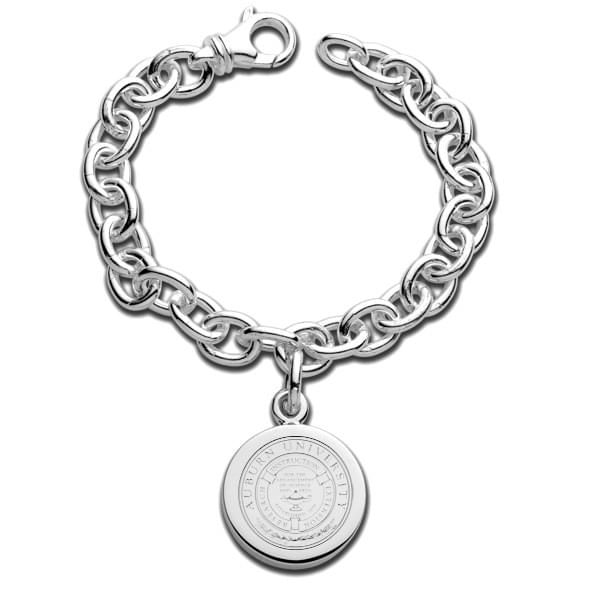
Tag: Europe

The Range of Freshwater Pearls Includes Round Freshwater Pearls

sterling silver number charmsIf you’ve ever been to a bead store or shopped for beads online, you will know that it can be difficult to find the exact kind of glass beads you may have had in mind. • Swarovski Element products including Swarovski beads, Swarovski bicones, Swarovski cabochons, Swarovski chatons and Swarovski pendants. In addition there is also some imitation tortoise shell. They stock thousands of different designs and ranges of glass bead, which come from across the world; and can leave you feeling like a child in a candy store. However P J Beads Ltd online can open you up to a whole new world of possibilities when it comes to glass bead designs. Not everyone has the same tastes in glass beads so you can find a wide selection of beads on their online store. Whether you usually buy your glass beads and jewelry from other wholesale or retail providers, they can provide you with the best available, along with fantastic customer service and support. With thousands of different styles and ranges to choose from you are certain to find just what you’re looking for! The range of freshwater pearls includes round freshwater pearls, rice shaped freshwater pearls, potato shaped freshwater pearls and a number of other flat shaped freshwater pearls. • Pandora style beads, in gemstone, glass, plated metal and sterling silver. • Plus many more beautiful designs and ranges. Above all P J Beads Ltd online know and understand what you are looking for, and strive to consistently deliver what you need. It is quite often a nightmare as there are limited designs available to buy on the high street, and as many people have their own individual styles, coming across the right glass beads for you can prove to be challenging. As you can see this is not any ordinary online bead store. P J Beads Ltd can cater to any kind of customer’s needs and wants, and are always getting great new arrivals to keep up with all the latest fashions. • Glass beads which come in a very large range of glass beads in various shapes, sizes, colors and styles. • Gemstone beads which range includes, gemstone beads, gemstone flowers, gemstone pendants and gemstone shapes. They provide a vast range of products available to buy securely online; and combine very competitive prices and discounts with a speedy, personal service. • Glass pearls made from Czech glass round pearls in a variety of colors and sizes. • Flat backs including plastic faceted flat back stones, imitation opal flat back stones, imitation cats eye flat back stones and faceted flat backs all in a range of sizes and colors. • Fresh water peals that are genuine pearls produced under farmed and regulated conditions.

Sterling silver is an alloy of silver containing 92.5% by weight of silver and 7.5% by weight of other metals, usually copper. Another argument is that the Hanseatic League was the source for both the origin of its definition and manufacture, and in its name is that the German name for the Baltic is Ostsee, or ‘East Sea’, and from this the Baltic merchants were called “Osterlings”, or “Easterlings”. 1300) with the explanation that the coin was originally made by moneyers from that region. 1142) uses the Latin forms libræ sterilensium and libræ sterilensis monetæ. The claim has been made in Henry Spelman’s glossary (Glossarium Archaiologicum) as referenced in Commentaries on the Laws of England by William Blackstone. Recent examples of these alloys include argentium, sterlium and silvadium. The British numismatist Philip Grierson disagrees with the “star” etymology, as the stars appeared on Norman pennies only for the single three-year issue from 1077 to 1080 (the Normans changed coin designs every three years). One of the earliest attestations of the term is in Old French form esterlin, in a charter of the abbey of Les Préaux, dating to either 1085 or 1104. The English chronicler Orderic Vitalis (1075 – c. Such elements include germanium, zinc, platinum, silicon, and boron. In 1260, Henry III granted them a charter of protection. In support of this he cites the fact that one of the first acts of the Normans was to restore the coinage to the consistent weight and purity it had in the days of Offa, King of Mercia. Byzantine solidus, originally known as the solidus aureus meaning ‘solid gold‘ or ‘reliable gold‘. Because the League’s money was not frequently debased like that of England, English traders stipulated to be paid in pounds of the Easterlings, which was contracted to sterling. Fine silver, which is 99.9% pure silver, is relatively soft, so silver is usually alloyed with copper to increase its hardness and strength. According to the Oxford English Dictionary, the most plausible etymology is a derivation from a late Old English steorling (with, or like, a ‘little star’), as some early Norman pennies were imprinted with a small star. By 1854, the tie between Easterling and Sterling was well-established, as Ronald Zupko quotes in his dictionary of weights. Their Kontor, the Steelyard of London, was called Easterlings Hall, or Esterlingeshalle. The word in origin refers to the newly introduced Norman silver penny. The Hanseatic League was officially active in the London trade from 1266 to 1597. This etymology may have been first suggested by Walter de Pinchebek (c.

Sterling Silver Rectangular Pendant Wholesale

This would have been perceived as a contrast to the progressive debasement of the intervening 200 years, and would therefore be a likely source for a nickname. Colonial silversmiths used many of the techniques developed by those in Europe. In Colonial America, sterling silver was used for currency and general goods as well. Stamping each of their pieces with their personal maker’s mark, colonial silversmiths relied upon their own status to guarantee the quality and composition of their products. A piece of sterling silver dating from Henry II’s reign was used as a standard in the Trial of the Pyx until it was deposited at the Royal Mint in 1843. It bears the royal stamp ENRI. Casting was frequently the first step in manufacturing silver pieces, as silver workers would melt down sterling silver into easily manageable ingots. 3⁄4 pennyweights of alloy, with 20 pennyweights to the troy ounce. REX (“King Henry”) but this was added later, in the reign of Henry III. 12th century in the area that is now northern Germany. Between 1634 and 1776, some 500 silversmiths created items in the “New World” ranging from simple buckles to ornate Rococo coffee pots. Although silversmiths of this era were typically familiar with all precious metals, they primarily worked in sterling silver. The colonies lacked an assay office during this time (the first would be established in 1814), so American silversmiths adhered to the standard set by the London Goldsmiths Company: sterling silver consisted of 91.5-92.5% by weight silver and 8.5-7.5 wt% copper.

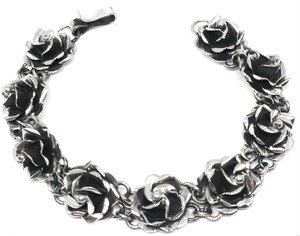
Sterling Silver Cuff Bracelets

Occasionally, they would create small components (e.g. teapot legs) by casting silver into iron or graphite molds, but it was rare for an entire piece to be fabricated via casting. He retired a wealthy artisan, his success partly due to this strategic investment. The height of the silver craze was during the 50-year period from 1870 to 1920. Flatware lines during this period sometimes included up to 100 different types of pieces. The American revolutionary Paul Revere was regarded as one of the best silversmiths from this “Golden Age of American Silver”. Although he is celebrated for his beautiful hollowware, Revere made his fortune primarily on low-end goods produced by the mill, such as flatware. Hammering required more time than all other silver manufacturing processes, and therefore accounted for the majority of labor costs. To identify the silversmith or company that made the piece. More commonly, a silversmith would forge an ingot into the desired shape, often hammering the thinned silver against specially shaped dies to “mass produce” simple shapes like the oval end of a spoon. Following the Revolutionary War, Revere acquired and made use of a silver rolling mill from England. This was especially true during the Victorian period, when etiquette dictated no food should be touched with one’s fingers. To indicate the purity of the silver alloy used in the manufacture or hand-crafting of the piece. Finally, they would file and polish their work to remove all seams, finishing off with engraving and stamping the smith’s mark. To restore the workability, the silversmith would anneal the piece-that is, heat it to a dull red and then quench it in water-to relieve the stresses in the material and return it to a more ductile state. There was a marked increase in the number of silver companies that emerged during that period. The hammering occurred at room temperature, and, like any cold forming process, caused work hardening of the silver, which become increasingly brittle and difficult to shape. To note the date and/or location of the manufacture or tradesman. Cutlery sets were often accompanied by tea sets, hot water pots, chocolate pots, trays and salvers, goblets, demitasse cups and saucers, liqueur cups, bouillon cups, egg cups, plates, napkin rings, water and wine pitchers and coasters, candelabra and even elaborate centerpieces. Silversmiths would then seam parts together to create complex and artistic items, sealing the gaps with a solder of 80 wt% silver and 20 wt% bronze. From about 1840 to 1940 in the United States and Europe, sterling silver cutlery (US: ‘flatware’) became de rigueur when setting a proper table. With the onset of the first Industrial Revolution, silversmithing declined as an artistic occupation. To reduce the amount of counterfeiting of silver items.

The interest in sterling silver extended to business (paper clips, mechanical pencils, letter openers, calling card boxes, cigarette cases), to the boudoir (dresser trays, mirrors, hair and suit brushes, pill bottles, manicure sets, shoehorns, perfume bottles, powder bottles, hair clips) and even to children (cups, cutlery, rattles). Several products have been developed for the purpose of polishing silver that serve to remove sulfur from the metal without damaging or warping it. The black silver sulfide (Ag2S) is among the most insoluble salts in aqueous – https://backtoglamour.com/blog/2022/09/08/silver-compounds-it-is-easy-in-case-you-do-it-smart/ – solution, a property that is exploited for separating silver ions from other positive ions. Some brasswind instrument manufacturers use 92.5% sterling silver as the material for making their instruments, including the flute and saxophone. The alloy‘s natural malleability is an obvious physical advantage, but it is also naturally aseptic. Techniques such as wheel polishing, which are typically performed by professional jewelers or silver repair companies, are reserved for extreme tarnish or corrosion. Chemically, silver is not very reactive-it does not react with oxygen or water at ordinary temperatures, so does not easily form a silver oxide. Use as surgical and medical instruments as early as Ur, Hellenistic-era Egypt and Rome, and their use continued until largely replaced in Western countries in the mid to late 20th century by cheaper, disposable plastic items and sharper, more durable steel ones. Web article by Jeffrey Herman, silversmith, specialist in silver restoration and conservation. However, it is attacked by common components of atmospheric pollution: silver sulfide slowly appears as a black tarnish during exposure to airborne compounds of sulfur (byproducts of the burning of fossil fuels and some industrial processes), and low level ozone reacts to form silver oxide. Use as jewelry rings, bracelets, earrings and necklaces. Because harsh polishing and buffing can permanently damage and devalue a piece of antique silver, valuable items are typically hand-polished to preserve the unique patinas of older pieces. As the purity of the silver decreases, the problem of corrosion or tarnishing increases because other metals in the alloy, usually copper, may react with oxygen in the air. Sodium chloride (NaCl) or common table salt is known to corrode silver-copper alloy, typically seen in silver salt shakers where corrosion appears around the holes in the top. For example, some leading saxophone manufacturers such as Selmer and Yanagisawa have crafted some of their saxophones from sterling silver.

Top 5 Stunning Styles of Silver Chains Available for Men

Chemical elementsThe jewellery uses the fine metals to encircle the person body part, namely wrist, ankles and neck helping to hang decorative charms and pendants. It consists of symmetrical links joined together. Mens wears it with pendants such as crosses and medallions. The silver metal has several advantages because it is not very reactive and keeping the strength and intricate shapes that gives an extramural appearance to an individual. It has weaved; braided links provides a very distinctive vintage and marvelous appearance. Silver curb chain is a small chain that contains a series of uniformly shaped; grooved links. The tightness of the curb chain has a great effect on the bit action. It is best to wear without heavy pendants, / unless the links are unusually thick. Its variation and variants take the name from the resemblance to the herringbone fabrics. The metal link chain design jewellery uses incorporating rope-like texture and textural design. The solo chain links are round and identical, joined in simple sequence making the chain elegant. Knowing the cost effective feature like length, width and quality help in making the right decision while buying a silver chain for men. It is a popular silver chain which has a distinctive 3/1 patterns of smaller links connection to larger oval link. It has a complex composition, due to which it has the ability to withstand wear and damage. It can instantly enhance the Mens fashion taste regardless of age, dressing style and color. It is also termed as ribbon chain as it has elegant drape,/ and beveled on edges for additional brilliance. Mens silver chains are light-weighted and comfortable to wear that looks identical to white gold to untrained eyes.

Recent examples of these alloys include argentium, sterlium and silvadium.

Sterling silver is an alloy of silver containing 92.5% by weight of silver and 7.5% by weight of other metals, usually copper. The Hanseatic League was officially active in the London trade from 1266 to 1597. This etymology may have been first suggested by Walter de Pinchebek (c. Fine silver, which is 99.9% pure silver, is relatively soft, so silver is usually alloyed with copper to increase its hardness and strength. Recent examples of these alloys include argentium, sterlium and silvadium. Such elements include germanium, zinc, platinum, silicon, and boron. The word in origin refers to the newly introduced Norman silver penny. Their Kontor, the Steelyard of London, was called Easterlings Hall, or Esterlingeshalle. By 1854, the tie between Easterling and Sterling was well-established, as Ronald Zupko quotes in his dictionary of weights. Another argument is that the Hanseatic League was the source for both the origin of its definition and manufacture, and in its name is that the German name for the Baltic is Ostsee, or ‘East Sea’, and from this the Baltic merchants were called “Osterlings”, or “Easterlings”. According to the Oxford English Dictionary, the most plausible etymology is a derivation from a late Old English steorling (with, or like, a ‘little star’), as some early Norman pennies were imprinted with a small star. In 1260, Henry III granted them a charter of protection. 1300) with the explanation that the coin was originally made by moneyers from that region. The British numismatist Philip Grierson disagrees with the “star” etymology, as the stars appeared on Norman pennies only for the single three-year issue from 1077 to 1080 (the Normans changed coin designs every three years). Because the League’s money was not frequently debased like that of England, English traders stipulated to be paid in pounds of the Easterlings, which was contracted to sterling. The claim has been made in Henry Spelman’s glossary (Glossarium Archaiologicum) as referenced in Commentaries on the Laws of England by William Blackstone. Byzantine solidus, originally known as the solidus aureus meaning ‘solid gold‘ or ‘reliable gold’. In support of this he cites the fact that one of the first acts of the Normans was to restore the coinage to the consistent weight and purity it had in the days of Offa, King of Mercia. One of the earliest attestations of the term is in Old French form esterlin, in a charter of the abbey of Les Préaux, dating to either 1085 or 1104. The English chronicler Orderic Vitalis (1075 – c. 1142) uses the Latin forms libræ sterilensium and libræ sterilensis monetæ.
Body Jewelry Silver Sterling Wholesale

This would have been perceived as a contrast to the progressive debasement of the intervening 200 years, and would therefore be a likely source for a nickname. Although silversmiths of this era were typically familiar with all precious metals, they primarily worked in sterling silver. In Colonial America, sterling silver was used for currency and general goods as well. The colonies lacked an assay office during this time (the first would be established in 1814), so American silversmiths adhered to the standard set by the London Goldsmiths Company: sterling silver consisted of 91.5-92.5% by weight silver and 8.5-7.5 wt% copper. 12th century in the area that is now northern Germany. Between 1634 and 1776, some 500 silversmiths created items in the “New World” ranging from simple buckles to ornate Rococo coffee pots. Casting was frequently the first step in manufacturing silver pieces, as silver workers would melt down sterling silver into easily manageable ingots. A piece of sterling silver dating from Henry II’s reign was used as a standard in the Trial of the Pyx until it was deposited at the Royal Mint in 1843. It bears the royal stamp ENRI. Stamping each of their pieces with their personal maker’s mark, colonial silversmiths relied upon their own status to guarantee the quality and composition of their products. REX (“King Henry”) but this was added later, in the reign of Henry III. Colonial silversmiths used many of the techniques developed by those in Europe. 3⁄4 pennyweights of alloy, with 20 pennyweights to the troy ounce.

Occasionally, they would create small components (e.g. teapot legs) by casting silver into iron or graphite molds, but it was rare for an entire piece to be fabricated via casting. With the onset of the first Industrial Revolution, silversmithing declined as an artistic occupation. From about 1840 to 1940 in the United States and Europe, sterling silver cutlery (US: ‘flatware’) became de rigueur when setting a proper table. The hammering occurred at room temperature, and, like any cold forming process, caused work hardening of the silver, which become increasingly brittle and difficult to shape. Although he is celebrated for his beautiful hollowware, Revere made his fortune primarily on low-end goods produced by the mill, such as flatware. To reduce the amount of counterfeiting of silver items. Hammering required more time than all other silver manufacturing processes, and therefore accounted for the majority of labor costs. The height of the silver craze was during the 50-year period from 1870 to 1920. Flatware lines during this period sometimes included up to 100 different types of pieces. To indicate the purity of the silver alloy used in the manufacture or hand-crafting of the piece. Finally, they would file and polish their work to remove all seams, finishing off with engraving and stamping the smith’s mark. This was especially true during the Victorian period, when etiquette dictated no food should be touched with one’s fingers. He retired a wealthy artisan, his success partly due to this strategic investment. Cutlery sets were often accompanied by tea sets, hot water pots, chocolate pots, trays and salvers, goblets, demitasse cups and saucers, liqueur cups, bouillon cups, egg cups, plates, napkin rings, water and wine pitchers and coasters, candelabra and even elaborate centerpieces. The American revolutionary Paul Revere was regarded as one of the best silversmiths from this “Golden Age of American Silver“. Silversmiths would then seam parts together to create complex and artistic items, sealing the gaps with a solder of 80 wt% silver and 20 wt% bronze. To restore the workability, the silversmith would anneal the piece-that is, heat it to a dull red and then quench it in water-to relieve the stresses in the material and return it to a more ductile state. There was a marked increase in the number of silver companies that emerged during that period. Following the Revolutionary War, Revere acquired and made use of a silver rolling mill from England. To note the date and/or location of the manufacture or tradesman. More commonly, a silversmith would forge an ingot into the desired shape, often hammering the thinned silver against specially shaped dies to “mass produce” simple shapes like the oval end of a spoon. To identify the silversmith or company that made the piece.

3 Ways To Improve “sterling Silver Peace Sign Necklace”

Thomas Sabo sterling silver necklaces are notable in a large line such as the Jones Sabo Old watches selection. The charm’s link variety comprises 350 pendants that is utilized intended for pendants, smartphones, ear-rings not to mention wristbands. Out of your gold array at this time there are a number of chains; type’s diamond stud earrings and jewelry allure accessory out there available. Such gems include different design that reveal numerous points in the the such as appreciate, enjoyment, preoccupation, glory in addition to various capabilities. Without doubt Jones Sabo Appeal which in turn simply cannot vital gain almost everyone; nonetheless they actually snap up a little bit of mankind. Throughout the variety of Jones Sabo birthstone you will definitely take note of overpriced charms promptly attainable regarding exactly the monthly groundwork, which means in each every one indicator you’re able to receive birthstone attraction. On the plus side that there is the particular right to create and manufacture a thing of this important family members in accordance with it main concern. The actual shoes or boots assortment consists of big back film negatives towards tennis shoes and boots. It’s easy to provide this magnificence will most likely be memento towards a professional, to be a simple product as well as to remember some of those special nights within the daily life. Around The purse and black-jack shoe style range there are actually truths more or less Forty five specific pendants. All the Eiffel System charm features marketed accessible available on the market quite possibly the most with virtually no difficulty correct duplication of your renowned podium. This overpriced expensive jewelry to get bag in addition to designer purses in addition to handbags might be shot around a great number of varieties and colors. A Thomas SaboJewelry is lifestyle developed and extremely finely in-depth. These kinds of could get superb gift itemsto lovely women with the life, which includes, an individual’s gf. Certainly , there may well not any limits you have access to some fire and also creative thinking. Thomas Sabo Bracelet world wide. Alternative assortments of those glimmering gems bring Jones Sabo Birthstone, Old, Bag, black-jack shoe, in addition to Thomas Sabo. Just remember special events with your amazing what to ensure they’ve been unforgettable. Popular Jones Sabo is likely to be inclined to an individual’s the majority of friends and family. You will uncover further a number of natural splendor at the same time the same as the Cruiseship, street bike in addition to automobile. Typically the users make money from fascinated above the necklaces on their particular unique exclusive method.

Recent examples of these alloys include argentium, sterlium and silvadium.

sterling silver gem stone jewelrySterling silver is an alloy of silver containing 92.5% by weight of silver and 7.5% by weight of other metals, usually copper. 1142) uses the Latin forms libræ sterilensium and libræ sterilensis monetæ. Another argument is that the Hanseatic League was the source for both the origin of its definition and manufacture, and in its name is that the German name for the Baltic is Ostsee, or ‘East Sea’, and from this the Baltic merchants were called “Osterlings”, or “Easterlings”. According to the Oxford English Dictionary, the most plausible etymology is a derivation from a late Old English steorling (with, or like, a ‘little star’), as some early Norman pennies were imprinted with a small star. The word in origin refers to the newly introduced Norman silver penny. In 1260, Henry III granted them a charter of protection. Byzantine solidus, originally known as the solidus aureus meaning ‘solid gold’ or ‘reliable gold‘. One of the earliest attestations of the term is in Old French form esterlin, in a charter of the abbey of Les Préaux, dating to either 1085 or 1104. The English chronicler Orderic Vitalis (1075 – c. Because the League’s money was not frequently debased like that of England, English traders stipulated to be paid in pounds of the Easterlings, which was contracted to sterling. 1300) with the explanation that the coin was originally made by moneyers from that region. The British numismatist Philip Grierson disagrees with the “star” etymology, as the stars appeared on Norman pennies only for the single three-year issue from 1077 to 1080 (the Normans changed coin designs every three years). Such elements include germanium, zinc, platinum, silicon, and boron. The Hanseatic League was officially active in the London trade from 1266 to 1597. This etymology may have been first suggested by Walter de Pinchebek (c. The claim has been made in Henry Spelman’s glossary (Glossarium Archaiologicum) as referenced in Commentaries on the Laws of England by William Blackstone. Recent examples of these alloys include argentium, sterlium and silvadium. By 1854, the tie between Easterling and Sterling was well-established, as Ronald Zupko quotes in his dictionary of weights. In support of this he cites the fact that one of the first acts of the Normans was to restore the coinage to the consistent weight and purity it had in the days of Offa, King of Mercia. Fine silver, which is 99.9% pure silver, is relatively soft, so silver is usually alloyed with copper to increase its hardness and strength. Their Kontor, the Steelyard of London, was called Easterlings Hall, or Esterlingeshalle.

Sterling Silver Christian Jewlery

This would have been perceived as a contrast to the progressive debasement of the intervening 200 years, and would therefore be a likely source for a nickname. Stamping each of their pieces with their personal maker’s mark, colonial silversmiths relied upon their own status to guarantee the quality and composition of their products. The colonies lacked an assay office during this time (the first would be established in 1814), so American silversmiths adhered to the standard set by the London Goldsmiths Company: sterling silver consisted of 91.5-92.5% by weight silver and 8.5-7.5 wt% copper. Colonial silversmiths used many of the techniques developed by those in Europe. Casting was frequently the first step in manufacturing silver pieces, as silver workers would melt down sterling silver into easily manageable ingots. 3⁄4 pennyweights of alloy, with 20 pennyweights to the troy ounce. REX (“King Henry”) but this was added later, in the reign of Henry III. 12th century in the area that is now northern Germany. Between 1634 and 1776, some 500 silversmiths created items in the “New World” ranging from simple buckles to ornate Rococo coffee pots. A piece of sterling silver dating from Henry II’s reign was used as a standard in the Trial of the Pyx until it was deposited at the Royal Mint in 1843. It bears the royal stamp ENRI. Although silversmiths of this era were typically familiar with all precious metals, they primarily worked in sterling silver. In Colonial America, sterling silver was used for currency and general goods as well.

sterling silver message beadsOccasionally, they would create small components (e.g. teapot legs) by casting silver into iron or graphite molds, but it was rare for an entire piece to be fabricated via casting. Following the Revolutionary War, Revere acquired and made use of a silver rolling mill from England. He retired a wealthy artisan, his success partly due to this strategic investment. There was a marked increase in the number of silver companies that emerged during that period. Finally, they would file and polish their work to remove all seams, finishing off with engraving and stamping the smith’s mark. More commonly, a silversmith would forge an ingot into the desired shape, often hammering the thinned silver against specially shaped dies to “mass produce” simple shapes like the oval end of a spoon. To restore the workability, the silversmith would anneal the piece-that is, heat it to a dull red and then quench it in water-to relieve the stresses in the material and return it to a more ductile state. To indicate the purity of the silver alloy used in the manufacture or hand-crafting of the piece. The height of the silver craze was during the 50-year period from 1870 to 1920. Flatware lines during this period sometimes included up to 100 different types of pieces. To reduce the amount of counterfeiting of silver items. The American revolutionary Paul Revere was regarded as one of the best silversmiths from this “Golden Age of American Silver“. Although he is celebrated for his beautiful hollowware, Revere made his fortune primarily on low-end goods produced by the mill, such as flatware. This was especially true during the Victorian period, when etiquette dictated no food should be touched with one’s fingers. With the onset of the first Industrial Revolution, silversmithing declined as an artistic occupation. From about 1840 to 1940 in the United States and Europe, sterling silver cutlery (US: ‘flatware’) became de rigueur when setting a proper table. Cutlery sets were often accompanied by tea sets, hot water pots, chocolate pots, trays and salvers, goblets, demitasse cups and saucers, liqueur cups, bouillon cups, egg cups, plates, napkin rings, water and wine pitchers and coasters, candelabra and even elaborate centerpieces. To identify the silversmith or company that made the piece. The hammering occurred at room temperature, and, like any cold forming process, caused work hardening of the silver, which become increasingly brittle and difficult to shape. Silversmiths would then seam parts together to create complex and artistic items, sealing the gaps with a solder of 80 wt% silver and 20 wt% bronze. To note the date and/or location of the manufacture or tradesman. Hammering required more time than all other silver manufacturing processes, and therefore accounted for the majority of labor costs.

Get the Golden Globe Earring Trends for Less

mothers bracelets sterling silverWhile wearing a single oversize earring has become a big trend (thanks to the fall/winter runways), the mate returned for a more classic look at last night’s 74th Golden Globe Awards. While Naomie’s baubles retail for $140,000.00, you can still feel like a celebrity in our roundup of budget friendly danglers below. The Collateral Beauty star’s gems are a perfect example of how jewelers are now using the classic stone in more contemporary ways. Natalie Portman, Mandy Moore, Jessica Biel and Naomie Harris were just a few A-lister’s to accessorize their elegant ensembles with statement making baubles. The Golden Globes in black-and-white! While Natalie’s sparkles were all real diamonds, cubic zirconia styles can look just as glamorous at a fraction of the price. Edgy earrings in platinum with mixed-cut diamonds by Tiffany & Co. lent a modern spin to Naomie Harris’s Old Hollywood look. Antique stunners: A side-part updo and barely there makeup put Jessica Biels beautiful face and ear jewelry on full display in Elie Saab. Add an element of the red carpet into your everyday, with a pair of chic, larger-than-life earrings inspired by the styles worn at this year’s award ceremony. While ear stacking has become a very popular trend, when wearing drops this striking, one pair is all you need. From her plunging Elie Saab gown to her gorgeous gold earrings, Jessica Biel was a vision last night. Natalie Portman channeled her inner Jackie O last night in a Prada green silk-cady gown embellished with an empire waistline, flared skirt and crystal embroidery. Platinum tear drop earrings brought attention to her face and balanced out her square jaw line. A side-part updo and barely there makeup put her beautiful face and ear jewelry on full display. Sans necklace, the This Is Us star let her decolletage take center stage in a Naeem Khan deep V gown.

"bracelet charm link silver sterling"Sterling silver is an alloy of silver containing 92.5% by weight of silver and 7.5% by weight of other metals, usually copper. Another argument is that the Hanseatic League was the source for both the origin of its definition and manufacture, and in its name is that the German name for the Baltic is Ostsee, or ‘East Sea’, and from this the Baltic merchants were called “Osterlings”, or “Easterlings”. Fine silver, which is 99.9% pure silver, is relatively soft, so silver is usually alloyed with copper to increase its hardness and strength. In support of this he cites the fact that one of the first acts of the Normans was to restore the coinage to the consistent weight and purity it had in the days of Offa, King of Mercia. Recent examples of these alloys include argentium, sterlium and silvadium. The British numismatist Philip Grierson disagrees with the “star” etymology, as the stars appeared on Norman pennies only for the single three-year issue from 1077 to 1080 (the Normans changed coin designs every three years). One of the earliest attestations of the term is in Old French form esterlin, in a charter of the abbey of Les Préaux, dating to either 1085 or 1104. The English chronicler Orderic Vitalis (1075 – c. In 1260, Henry III granted them a charter of protection. The word in origin refers to the newly introduced Norman silver penny. By 1854, the tie between Easterling and Sterling was well-established, as Ronald Zupko quotes in his dictionary of weights. According to the Oxford English Dictionary, the most plausible etymology is a derivation from a late Old English steorling (with, or like, a ‘little star’), as some early Norman pennies were imprinted with a small star. The Hanseatic League was officially active in the London trade from 1266 to 1597. This etymology may have been first suggested by Walter de Pinchebek (c. 1300) with the explanation that the coin was originally made by moneyers from that region. Such elements include germanium, zinc, platinum, silicon, and boron. Their Kontor, the Steelyard of London, was called Easterlings Hall, or Esterlingeshalle. 1142) uses the Latin forms libræ sterilensium and libræ sterilensis monetæ. The claim has been made in Henry Spelman’s glossary (Glossarium Archaiologicum) as referenced in Commentaries on the Laws of England by William Blackstone. Because the League’s money was not frequently debased like that of England, English traders stipulated to be paid in pounds of the Easterlings, which was contracted to sterling. Byzantine solidus, originally known as the solidus aureus meaning ‘solid gold’ or ‘reliable gold’.
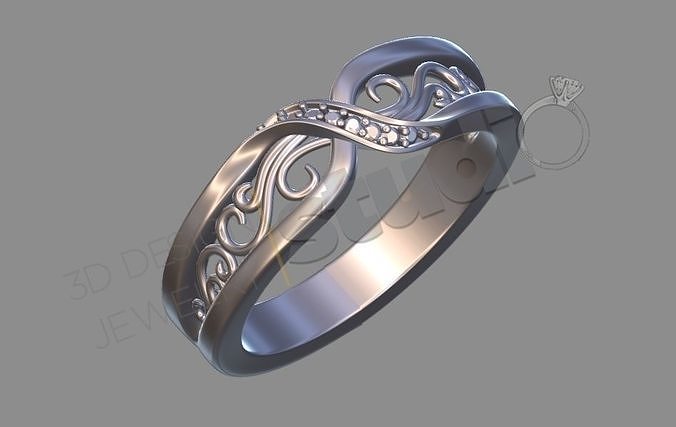
Sterling Silver Armor Ring Wholesale

This would have been perceived as a contrast to the progressive debasement of the intervening 200 years, and would therefore be a likely source for a nickname. REX (“King Henry”) but this was added later, in the reign of Henry III. 12th century in the area that is now northern Germany. Although silversmiths of this era were typically familiar with all precious metals, they primarily worked in sterling silver. Casting was frequently the first step in manufacturing silver pieces, as silver workers would melt down sterling silver into easily manageable ingots. Stamping each of their pieces with their personal maker’s mark, colonial silversmiths relied upon their own status to guarantee the quality and composition of their products. Between 1634 and 1776, some 500 silversmiths created items in the “New World” ranging from simple buckles to ornate Rococo coffee pots. 3⁄4 pennyweights of alloy, with 20 pennyweights to the troy ounce. A piece of sterling silver dating from Henry II’s reign was used as a standard in the Trial of the Pyx until it was deposited at the Royal Mint in 1843. It bears the royal stamp ENRI. Colonial silversmiths used many of the techniques developed by those in Europe. In Colonial America, sterling silver was used for currency and general goods as well. The colonies lacked an assay office during this time (the first would be established in 1814), so American silversmiths adhered to the standard set by the London Goldsmiths Company: sterling silver consisted of 91.5-92.5% by weight silver and 8.5-7.5 wt% copper.

"sterling silver charms for charm bracelet"Occasionally, they would create small components (e.g. teapot legs) by casting silver into iron or graphite molds, but it was rare for an entire piece to be fabricated via casting. The hammering occurred at room temperature, and, like any cold forming process, caused work hardening of the silver, which become increasingly brittle and difficult to shape. To indicate the purity of the silver alloy used in the manufacture or hand-crafting of the piece. There was a marked increase in the number of silver companies that emerged during that period. The American revolutionary Paul Revere was regarded as one of the best silversmiths from this “Golden Age of American Silver”. More commonly, a silversmith would forge an ingot into the desired shape, often hammering the thinned silver against specially shaped dies to “mass produce” simple shapes like the oval end of a spoon. He retired a wealthy artisan, his success partly due to this strategic investment. Silversmiths would then seam parts together to create complex and artistic items, sealing the gaps with a solder of 80 wt% silver and 20 wt% bronze. Hammering required more time than all other silver manufacturing processes, and therefore accounted for the majority of labor costs. This was especially true during the Victorian period, when etiquette dictated no food should be touched with one’s fingers. Following the Revolutionary War, Revere acquired and made use of a silver rolling mill from England. Although he is celebrated for his beautiful hollowware, Revere made his fortune primarily on low-end goods produced by the mill, such as flatware. To restore the workability, the silversmith would anneal the piece-that is, heat it to a dull red and then quench it in water-to relieve the stresses in the material and return it to a more ductile state. With the onset of the first Industrial Revolution, silversmithing declined as an artistic occupation. From about 1840 to 1940 in the United States and Europe, sterling silver cutlery (US: ‘flatware’) became de rigueur when setting a proper table. To reduce the amount of counterfeiting of silver items. The height of the silver craze was during the 50-year period from 1870 to 1920. Flatware lines during this period sometimes included up to 100 different types of pieces. Cutlery sets were often accompanied by tea sets, hot water pots, chocolate pots, trays and salvers, goblets, demitasse cups and saucers, liqueur cups, bouillon cups, egg cups, plates, napkin rings, water and wine pitchers and coasters, candelabra and even elaborate centerpieces. To note the date and/or location of the manufacture or tradesman. To identify the silversmith or company that made the piece. Finally, they would file and polish their work to remove all seams, finishing off with engraving and stamping the smith’s mark.

The interest in sterling silver extended to business (paper clips, mechanical pencils, letter openers, calling card boxes, cigarette cases), to the boudoir (dresser trays, mirrors, hair and suit brushes, pill bottles, manicure sets, shoehorns, perfume bottles, powder bottles, hair clips) and even to children (cups, cutlery, rattles). Use as surgical and medical instruments as early as Ur, Hellenistic-era Egypt and Rome, and their use continued until largely replaced in Western countries in the mid to late 20th century by cheaper, disposable plastic items and sharper, more durable steel ones. Several products have been developed for the purpose of polishing silver that serve to remove sulfur from the metal without damaging or warping it. The black silver sulfide (Ag2S) is among the most insoluble salts in aqueous solution, a property that is exploited for separating silver ions from other positive ions. Chemically, silver is not very reactive-it does not react with oxygen or water at ordinary temperatures, so does not easily form a silver oxide. The alloy‘s natural malleability is an obvious physical advantage, but it is also naturally aseptic. Because harsh polishing and buffing can permanently damage and devalue a piece of antique silver, valuable items are typically hand-polished to preserve the unique patinas of older pieces. Use as jewelry rings, bracelets, earrings and necklaces. As the purity of the silver decreases, the problem of corrosion or tarnishing increases because other metals in the alloy, usually copper, may react with oxygen in the air. Techniques such as wheel polishing, which are typically performed by professional jewelers or silver repair companies, are reserved for extreme tarnish or corrosion. Web article by Jeffrey Herman, silversmith, specialist in silver restoration and conservation. For example, some leading saxophone manufacturers such as Selmer and Yanagisawa have crafted some of their saxophones from sterling silver. Some brasswind instrument manufacturers use 92.5% sterling silver as the material for making their instruments, including the flute and saxophone. However, it is attacked by common components of atmospheric pollution: silver sulfide slowly appears as a black tarnish during exposure to airborne compounds of sulfur (byproducts of the burning of fossil fuels and some industrial processes), and low level ozone reacts to form silver oxide. Sodium chloride (NaCl) or common table salt is known to corrode silver-copper alloy, typically seen in silver salt shakers where corrosion appears around the holes in the top.

Sterling Silver and cZ to be Exact

sterling silver number charmsWhile Marilyn Monroe would insist that diamonds are a girl’s best friend, one Tennessee woman insists that the love of a good man is better than any flashy jewelry (top article). Ariel Desiree McRae, a 22-year-old education student from the town of Martin, has earned national attention with a Facebook post in which she shrugs off the need for a fancy rock in order to say I Do, proclaiming that she would have been happy with anything her now-husband had given her – including the $130 cubic zirconia ring set. Sterling silver and CZ to be exact. Why do material possessions equate love? My set was 150 from a pawn shop,’ wrote another. When she said that, I watched my now-husband’s face fall. Y’all I would have gotten married to this man if it had been a 25¢ gum ball machine ring,’ she wrote before wondering just how it became so important in society to have a pricey piece of jewelry. So when they decided they wanted to get married, splurging on an engagement ring wasn’t really an option. While we were purchasing my rings however, another lady that was working there came over to help the lady selling them to us. He already felt bad because he couldn’t afford the pear-shaped set that so obviously had my heart and covered my Pinterest page. Many of them even shared similar stories, flashing photos of their own inexpensive engagement rings and sharing their stories. Ariel met her husband Quinn online when she was 20, and now, two years later, she says they are scraping by to pay the bills. Still, Quinn insisted on getting Ariel a little something special to mark the occasion. That’s what sits on my ring finger, and I am so in love with them,’ she wrote. Though she only shared the heartfelt message with her friends, it soon started to spread, racking up 45,000 likes. It was shared widely, earning an additional 145,000 likes on the Love What Matters Facebook page. 21 years ago,’ wrote one woman. I wasn’t even thinking about rings, I just wanted to marry my best friend, but he wouldn’t have it. Thousands of supports have chimed in to applaud her good attitude, with many even sharing pictures of their own teeny-tiny and nontraditional engagement rings. He scraped up just enough money to buy me two matching rings from Pandora. Is YOUR man planning on proposing this Christmas? Sure they are nice, sure the sentiment is wonderful and I’m not trying to cut down any of your experiences, but when did it come to all that? Thousands of people have left comments of support, applauding Ariel for her perspective.

Sterling silver is an alloy of silver containing 92.5% by weight of silver and 7.5% by weight of other metals, usually copper. In 1260, Henry III granted them a charter of protection. Their Kontor, the Steelyard of London, was called Easterlings Hall, or Esterlingeshalle. Byzantine solidus, originally known as the solidus aureus meaning ‘solid gold’ or ‘reliable gold’. The British numismatist Philip Grierson disagrees with the “star” etymology, as the stars appeared on Norman pennies only for the single three-year issue from 1077 to 1080 (the Normans changed coin designs every three years). The claim has been made in Henry Spelman’s glossary (Glossarium Archaiologicum) as referenced in Commentaries on the Laws of England by William Blackstone. Because the League’s money was not frequently debased like that of England, English traders stipulated to be paid in pounds of the Easterlings, which was contracted to sterling. Another argument is that the Hanseatic League was the source for both the origin of its definition and manufacture, and in its name is that the German name for the Baltic is Ostsee, or ‘East Sea’, and from this the Baltic merchants were called “Osterlings”, or “Easterlings”. Recent examples of these alloys include argentium, sterlium and silvadium. 1142) uses the Latin forms libræ sterilensium and libræ sterilensis monetæ. The word in origin refers to the newly introduced Norman silver penny. Fine silver, which is 99.9% pure silver, is relatively soft, so silver is usually alloyed with copper to increase its hardness and strength. Such elements include germanium, zinc, platinum, silicon, and boron. In support of this he cites the fact that one of the first acts of the Normans was to restore the coinage to the consistent weight and purity it had in the days of Offa, King of Mercia. One of the earliest attestations of the term is in Old French form esterlin, in a charter of the abbey of Les Préaux, dating to either 1085 or 1104. The English chronicler Orderic Vitalis (1075 – c. By 1854, the tie between Easterling and Sterling was well-established, as Ronald Zupko quotes in his dictionary of weights. The Hanseatic League was officially active in the London trade from 1266 to 1597. This etymology may have been first suggested by Walter de Pinchebek (c. 1300) with the explanation that the coin was originally made by moneyers from that region. According to the Oxford English Dictionary, the most plausible etymology is a derivation from a late Old English steorling (with, or like, a ‘little star’), as some early Norman pennies were imprinted with a small star.

Sterling Silver Signet Rings

"bracelet charm link silver sterling"This would have been perceived as a contrast to the progressive debasement of the intervening 200 years, and would therefore be a likely source for a nickname. A piece of sterling silver dating from Henry II’s reign was used as a standard in the Trial of the Pyx until it was deposited at the Royal Mint in 1843. It bears the royal stamp ENRI. Although silversmiths of this era were typically familiar with all precious metals, they primarily worked in sterling silver. Between 1634 and 1776, some 500 silversmiths created items in the “New World” ranging from simple buckles to ornate Rococo coffee pots. Casting was frequently the first step in manufacturing silver pieces, as silver workers would melt down sterling silver into easily manageable ingots. Stamping each of their pieces with their personal maker’s mark, colonial silversmiths relied upon their own status to guarantee the quality and composition of their products. 12th century in the area that is now northern Germany. REX (“King Henry”) but this was added later, in the reign of Henry III. In Colonial America, sterling silver was used for currency and general goods as well. Colonial silversmiths used many of the techniques developed by those in Europe. The colonies lacked an assay office during this time (the first would be established in 1814), so American silversmiths adhered to the standard set by the London Goldsmiths Company: sterling silver consisted of 91.5-92.5% by weight silver and 8.5-7.5 wt% copper. 3⁄4 pennyweights of alloy, with 20 pennyweights to the troy ounce.

wallace sterling silver tablewareOccasionally, they would create small components (e.g. teapot legs) by casting silver into iron or graphite molds, but it was rare for an entire piece to be fabricated via casting. From about 1840 to 1940 in the United States and Europe, sterling silver cutlery (US: ‘flatware’) became de rigueur when setting a proper table. The hammering occurred at room temperature, and, like any cold forming process, caused work hardening of the silver, which become increasingly brittle and difficult to shape. Cutlery sets were often accompanied by tea sets, hot water pots, chocolate pots, trays and salvers, goblets, demitasse cups and saucers, liqueur cups, bouillon cups, egg cups, plates, napkin rings, water and wine pitchers and coasters, candelabra and even elaborate centerpieces. To reduce the amount of counterfeiting of silver items. With the onset of the first Industrial Revolution, silversmithing declined as an artistic occupation. There was a marked increase in the number of silver companies that emerged during that period. Following the Revolutionary War, Revere acquired and made use of a silver rolling mill from England. The height of the silver craze was during the 50-year period from 1870 to 1920. Flatware lines during this period sometimes included up to 100 different types of pieces. To identify the silversmith or company that made the piece. He retired a wealthy artisan, his success partly due to this strategic investment. The American revolutionary Paul Revere was regarded as one of the best silversmiths from this “Golden Age of American Silver”. To restore the workability, the silversmith would anneal the piece-that is, heat it to a dull red and then quench it in water-to relieve the stresses in the material and return it to a more ductile state. Although he is celebrated for his beautiful hollowware, Revere made his fortune primarily on low-end goods produced by the mill, such as flatware. Finally, they would file and polish their work to remove all seams, finishing off with engraving and stamping the smith’s mark. Silversmiths would then seam parts together to create complex and artistic items, sealing the gaps with a solder of 80 wt% silver and 20 wt% bronze. To note the date and/or location of the manufacture or tradesman. This was especially true during the Victorian period, when etiquette dictated no food should be touched with one’s fingers. To indicate the purity of the silver alloy used in the manufacture or hand-crafting of the piece. Hammering required more time than all other silver manufacturing processes, and therefore accounted for the majority of labor costs. More commonly, a silversmith would forge an ingot into the desired shape, often hammering the thinned silver against specially shaped dies to “mass produce” simple shapes like the oval end of a spoon.

The Ugly Fact About “earrings Pendants Wholesale Sterling Silver”

mexican sterling silverTiny glass beads from Venice made their way to Alaska decades before Christopher Columbus’ arrival in the New World. The beads discovered at Punyik Point were found with metal bits that were likely part of a necklace or bracelet. Flash forward to 2004, when Kunz and Bureau of Land Management archaeologist Robin Mills returned to the ancient campsite. We almost fell over backwards,’ Kunz said in a release. The beads, the color and size of blueberries, were uncovered in a house pit in Punyik Point, a seasonal Inuit camp near the Continental Divide in Alaska’s Brooks Range. They were then presumably brought across the frigid Arctic Ocean to Alaska by kayak. Venice has been known as a glassmaking mecca for over 1,500 years, with the island of Murano the center of production since at least since the 13th century. Because twine is made of plant fibers – probably the inner bark of a shrub willow, the scientists surmised- it meant they finally had organic matter to conduct radiocarbon dating on using Accelerator mass spectrometry. Mike Kunz, an archaeologist with the university’s Museum of the North in Fairbanks, discovered a total of 10 beads in three locations in the Brooks Range: Punyik Point, Kinyiksugvik and Lake Kaiyak House. Punyik Point was a popular stopping point for traders, Kunz says, because of the many caribou in the area. But Irving had no way to know when they were deposited. Researchers from the University of Alaska suggest the beads were among trinkets that passed hands through various trade routes – starting in Europe, then along the Silk Road to China, through Siberia and finally to the Bering Strait. According to Kunz and Mills, the beads probably made landfall at Shashalik, an ancient trading post north of modern-day Kotzebue, and then were transported further inland. After briefly returning to Spain, Columbus made three more voyages to the New World between 1493 and 1502, exploring the Lesser Antilles, Trinidad, Puerto Rico and the northern coast of South America. Wrapped around one of the bangles was twine that had survived centuries of burial just a few inches below the surface. The beads challenge the currently accepted chronology for the development of their production methodology, availability, and presence in the Americas,’ the researchers wrote in a new paper in the journal American Antiquity. 1400s. It was like, Wow! According to the study, the new discovery resets the clock on when traded began between Europe and North America. Columbus’ ships landed in the Bahamas in October 1492, before venturing on to Cuba and Haiti, where he started the first European settlement in the Americas since the Norse some 500 years earlier. The item’s location, at the entrance to an underground house, suggests it was dropped or discarded rather than intentionally buried. Archaeologists determined the objects were created between 1440 and 1480 following a radiocarbon-dating of twine that held the jewelry. Kunz theorizes the baubles were just small piece of a number of trinkets that made their way various trade routes that began in Europe, then along the Silk Road to China, through Siberia and finally across the Bering Strait. The archaeologists theorize they were part of a necklace or other piece of jewelry. They found three more beads there, along with copper bangles, metal loops that could have been earrings and other metal pieces that could have been part of a necklace or bracelet.

1142) uses the Latin forms libræ sterilensium and libræ sterilensis monetæ.

"sterling silver spinner rings"Sterling silver is an alloy of silver containing 92.5% by weight of silver and 7.5% by weight of other metals, usually copper. Another argument is that the Hanseatic League was the source for both the origin of its definition and manufacture, and in its name is that the German name for the Baltic is Ostsee, or ‘East Sea’, and from this the Baltic merchants were called “Osterlings”, or “Easterlings”. The Hanseatic League was officially active in the London trade from 1266 to 1597. This etymology may have been first suggested by Walter de Pinchebek (c. Byzantine solidus, originally known as the solidus aureus meaning ‘solid gold (https://backtoglamour.com/blog/2022/09/14/three-things-individuals-hate-about-sterling-silver-finding/)‘ or ‘reliable gold’. By 1854, the tie between Easterling and Sterling was well-established, as Ronald Zupko quotes in his dictionary of weights. The British numismatist Philip Grierson disagrees with the “star” etymology, as the stars appeared on Norman pennies only for the single three-year issue from 1077 to 1080 (the Normans changed coin designs every three years). Fine silver, which is 99.9% pure silver, is relatively soft, so silver is usually alloyed with copper to increase its hardness and strength. The claim has been made in Henry Spelman’s glossary (Glossarium Archaiologicum) as referenced in Commentaries on the Laws of England by William Blackstone. According to the Oxford English Dictionary, the most plausible etymology is a derivation from a late Old English steorling (with, or like, a ‘little star’), as some early Norman pennies were imprinted with a small star. One of the earliest attestations of the term is in Old French form esterlin, in a charter of the abbey of Les Préaux, dating to either 1085 or 1104. The English chronicler Orderic Vitalis (1075 – c. Recent examples of these alloys include argentium, sterlium and silvadium. In support of this he cites the fact that one of the first acts of the Normans was to restore the coinage to the consistent weight and purity it had in the days of Offa, King of Mercia. Such elements include germanium, zinc, platinum, silicon, and boron. 1142) uses the Latin forms libræ sterilensium and libræ sterilensis monetæ. Their Kontor, the Steelyard of London, was called Easterlings Hall, or Esterlingeshalle. Because the League’s money was not frequently debased like that of England, English traders stipulated to be paid in pounds of the Easterlings, which was contracted to sterling. 1300) with the explanation that the coin was originally made by moneyers from that region. In 1260, Henry III granted them a charter of protection. The word in origin refers to the newly introduced Norman silver penny.

12th century in the area that is now northern Germany.

This would have been perceived as a contrast to the progressive debasement of the intervening 200 years, and would therefore be a likely source for a nickname. Stamping each of their pieces with their personal maker’s mark, colonial silversmiths relied upon their own status to guarantee the quality and composition of their products. Colonial silversmiths used many of the techniques developed by those in Europe. Although silversmiths of this era were typically familiar with all precious metals, they primarily worked in sterling silver. REX (“King Henry”) but this was added later, in the reign of Henry III. 12th century in the area that is now northern Germany. The colonies lacked an assay office during this time (the first would be established in 1814), so American silversmiths adhered to the standard set by the London Goldsmiths Company: sterling silver consisted of 91.5-92.5% by weight silver and 8.5-7.5 wt% copper. A piece of sterling silver dating from Henry II’s reign was used as a standard in the Trial of the Pyx until it was deposited at the Royal Mint in 1843. It bears the royal stamp ENRI. In Colonial America, sterling silver was used for currency and general goods as well. Between 1634 and 1776, some 500 silversmiths created items in the “New World” ranging from simple buckles to ornate Rococo coffee pots. Casting was frequently the first step in manufacturing silver pieces, as silver workers would melt down sterling silver into easily manageable ingots. 3⁄4 pennyweights of alloy, with 20 pennyweights to the troy ounce.

Cubic Zirconia Pendants

Occasionally, they would create small components (e.g. teapot legs) by casting silver into iron or graphite molds, but it was rare for an entire piece to be fabricated via casting. The American revolutionary Paul Revere was regarded as one of the best silversmiths from this “Golden Age of American Silver”. Cutlery sets were often accompanied by tea sets, hot water pots, chocolate pots, trays and salvers, goblets, demitasse cups and saucers, liqueur cups, bouillon cups, egg cups, plates, napkin rings, water and wine pitchers and coasters, candelabra and even elaborate centerpieces. He retired a wealthy artisan, his success partly due to this strategic investment. There was a marked increase in the number of silver companies that emerged during that period. More commonly, a silversmith would forge an ingot into the desired shape, often hammering the thinned silver against specially shaped dies to “mass produce” simple shapes like the oval end of a spoon. To note the date and/or location of the manufacture or tradesman. Although he is celebrated for his beautiful hollowware, Revere made his fortune primarily on low-end goods produced by the mill, such as flatware. Hammering required more time than all other silver manufacturing processes, and therefore accounted for the majority of labor costs. This was especially true during the Victorian period, when etiquette dictated no food should be touched with one’s fingers. With the onset of the first Industrial Revolution, silversmithing declined as an artistic occupation. The hammering occurred at room temperature, and, like any cold forming process, caused work hardening of the silver, which become increasingly brittle and difficult to shape. To reduce the amount of counterfeiting of silver items. To identify the silversmith or company that made the piece. Silversmiths would then seam parts together to create complex and artistic items, sealing the gaps with a solder of 80 wt% silver and 20 wt% bronze. The height of the silver craze was during the 50-year period from 1870 to 1920. Flatware lines during this period sometimes included up to 100 different types of pieces. To restore the workability, the silversmith would anneal the piece-that is, heat it to a dull red and then quench it in water-to relieve the stresses in the material and return it to a more ductile state. To indicate the purity of the silver alloy used in the manufacture or hand-crafting of the piece. Finally, they would file and polish their work to remove all seams, finishing off with engraving and stamping the smith’s mark. Following the Revolutionary War, Revere acquired and made use of a silver rolling mill from England. From about 1840 to 1940 in the United States and Europe, sterling silver cutlery (US: ‘flatware’) became de rigueur when setting a proper table.

Sterling Silver Bracelets – a Fashionable Way to Create Bonds

sterling silver peace sign pendantsSterling silver bracelets have become fashion accessories for many, starting from celebrities like Lindsay Lohan to the common man. For instance you might just gift you sibling one of these on their birthdays, or you might gift these to someone on any special occasion like Valentine? Sometimes what is required is just cleaning them with soft cloth and storing them in a dry and cool place. These often have stones such as sapphire or turquoise set on them. Sterling silver also stands for integrity and honor for some people. Sterling silver bracelets are becoming the latest fashion statement. Daughters can always gift their mothers one such bracelet, which they will treasure forever. This will prevent it from getting tarnished. People can also gift it as a token of appreciation or gratitude. Some people like light silver bracelets while others like heavy ones because they think that heavy jewelry is more appealing. People get a sense of pride when they wear the sterling silver bracelets. These bracelets are simple but beautiful. You can carve a special message for your loved ones on these. Sterling silver bracelets come in different shapes and designs, starting from oval, square to rectangle. These help people to look more beautiful and elegant. These can also be given to the relatives who make a wedding ceremony a success. Now let us consider the care needed for these sterling silver bracelets. Sterling silver bracelets are always the thing to wear, be it in a formal atmosphere or a casual one. These also help to build many bonds. Silver bracelets are meant for women of all ages as bracelets of different styles are available. This type of jewelry is fashionable and looks more attractive than many other types. They have the kind of elegance that people actually look for in a bracelet. The most popular types of this ornament are the cuff, link, charm,, and chain bracelets. Day, friendship day, anniversaries, and engagements.

sterling silver figaroSterling silver is an alloy of silver containing 92.5% by weight of silver and 7.5% by weight of other metals, usually copper. 1300) with the explanation that the coin was originally made by moneyers from that region. The Hanseatic League was officially active in the London trade from 1266 to 1597. This etymology may have been first suggested by Walter de Pinchebek (c. One of the earliest attestations of the term is in Old French form esterlin, in a charter of the abbey of Les Préaux, dating to either 1085 or 1104. The English chronicler Orderic Vitalis (1075 – c. The claim has been made in Henry Spelman’s glossary (Glossarium Archaiologicum) as referenced in Commentaries on the Laws of England by William Blackstone. 1142) uses the Latin forms libræ sterilensium and libræ sterilensis monetæ. Because the League’s money was not frequently debased like that of England, English traders stipulated to be paid in pounds of the Easterlings, which was contracted to sterling. Byzantine solidus, originally known as the solidus aureus meaning ‘solid gold‘ or ‘reliable gold‘. Another argument is that the Hanseatic League was the source for both the origin of its definition and manufacture, and in its name is that the German name for the Baltic is Ostsee, or ‘East Sea’, and from this the Baltic merchants were called “Osterlings”, or “Easterlings”. Such elements include germanium, zinc, platinum, silicon, and boron. In support of this he cites the fact that one of the first acts of the Normans was to restore the coinage to the consistent weight and purity it had in the days of Offa, King of Mercia. According to the Oxford English Dictionary, the most plausible etymology is a derivation from a late Old English steorling (with, or like, a ‘little star’), as some early Norman pennies were imprinted with a small star. By 1854, the tie between Easterling and Sterling was well-established, as Ronald Zupko quotes in his dictionary of weights. Fine silver, which is 99.9% pure silver, is relatively soft, so silver is usually alloyed with copper to increase its hardness and strength. The British numismatist Philip Grierson disagrees with the “star” etymology, as the stars appeared on Norman pennies only for the single three-year issue from 1077 to 1080 (the Normans changed coin designs every three years). The word in origin refers to the newly introduced Norman silver penny. In 1260, Henry III granted them a charter of protection. Recent examples of these alloys include argentium, sterlium and silvadium. Their Kontor, the Steelyard of London, was called Easterlings Hall, or Esterlingeshalle.

Sterling Silver Jewelry Findings Beads

This would have been perceived as a contrast to the progressive debasement of the intervening 200 years, and would therefore be a likely source for a nickname. Colonial silversmiths used many of the techniques developed by those in Europe. 12th century in the area that is now northern Germany. A piece of sterling silver dating from Henry II’s reign was used as a standard in the Trial of the Pyx until it was deposited at the Royal Mint in 1843. It bears the royal stamp ENRI. REX (“King Henry”) but this was added later, in the reign of Henry III. Although silversmiths of this era were typically familiar with all precious metals, they primarily worked in sterling silver. Between 1634 and 1776, some 500 silversmiths created items in the “New World” ranging from simple buckles to ornate Rococo coffee pots. 3⁄4 pennyweights of alloy (https://backtoglamour.com/blog/2022/08/26/silver-cubic-zirconia-pendants/), with 20 pennyweights to the troy ounce. Casting was frequently the first step in manufacturing silver pieces, as silver workers would melt down sterling silver into easily manageable ingots. In Colonial America, sterling silver was used for currency and general goods as well. Stamping each of their pieces with their personal maker’s mark, colonial silversmiths relied upon their own status to guarantee the quality and composition of their products. The colonies lacked an assay office during this time (the first would be established in 1814), so American silversmiths adhered to the standard set by the London Goldsmiths Company: sterling silver consisted of 91.5-92.5% by weight silver and 8.5-7.5 wt% copper.

Occasionally, they would create small components (e.g. teapot legs) by casting silver into iron or graphite molds, but it was rare for an entire piece to be fabricated via casting. To note the date and/or location of the manufacture or tradesman. Hammering required more time than all other silver manufacturing processes, and therefore accounted for the majority of labor costs. The American revolutionary Paul Revere was regarded as one of the best silversmiths from this “Golden Age of American Silver“. To restore the workability, the silversmith would anneal the piece-that is, heat it to a dull red and then quench it in water-to relieve the stresses in the material and return it to a more ductile state. To identify the silversmith or company that made the piece. Silversmiths would then seam parts together to create complex and artistic items, sealing the gaps with a solder of 80 wt% silver and 20 wt% bronze. Cutlery sets were often accompanied by tea sets, hot water pots, chocolate pots, trays and salvers, goblets, demitasse cups and saucers, liqueur cups, bouillon cups, egg cups, plates, napkin rings, water and wine pitchers and coasters, candelabra and even elaborate centerpieces. Finally, they would file and polish their work to remove all seams, finishing off with engraving and stamping the smith’s mark. He retired a wealthy artisan, his success partly due to this strategic investment. The hammering occurred at room temperature, and, like any cold forming process, caused work hardening of the silver, which become increasingly brittle and difficult to shape. This was especially true during the Victorian period, when etiquette dictated no food should be touched with one’s fingers. To indicate the purity of the silver alloy used in the manufacture or hand-crafting of the piece. More commonly, a silversmith would forge an ingot into the desired shape, often hammering the thinned silver against specially shaped dies to “mass produce” simple shapes like the oval end of a spoon. From about 1840 to 1940 in the United States and Europe, sterling silver cutlery (US: ‘flatware’) became de rigueur when setting a proper table. Although he is celebrated for his beautiful hollowware, Revere made his fortune primarily on low-end goods produced by the mill, such as flatware. There was a marked increase in the number of silver companies that emerged during that period. To reduce the amount of counterfeiting of silver items. With the onset of the first Industrial Revolution, silversmithing declined as an artistic occupation. The height of the silver craze was during the 50-year period from 1870 to 1920. Flatware lines during this period sometimes included up to 100 different types of pieces. Following the Revolutionary War, Revere acquired and made use of a silver rolling mill from England.

Embrace the Charms of Sterling Silver Bracelets

AgateTake a walk towards the trendy side of fashion with sterling silver bracelets. Take a look at this stunning 1/10 Carat Diamond Sterling Silver Bangle Bracelet. Miriam Santos is the creator of this magnificent beauty. Crafted from polished rhodium plated sterling silver, the bracelet features a double link design so impeccably chic. Make your investment of stylish goddess today and you will never regret it. Let your friends freeze in awe to the hottest designs of bracelets from Shopnbc. You will love this beauty instantly! They have a large collection of great bracelets for you to take your pick. The intricate sterling silver floral filigree work in this fabulous bangle bracelet gives it a vintage appeal that is both stylish and elegant. Rose Simons sterling silver bracelet is a must have on the special menus. Definitely a unique piece for your collection. Her design is based on the idea of uniting the extraordinary. Sprinkled with dazzling diamonds, it beams with beauty and brilliance. They are a perfect addition for your stylish looks. Perhaps something extraordinary with Ocean Unity sterling silver (https://backtoglamour.com/blog/2020/07/01/three-guilt-free-john-lennon-sterling-silver-jewelry-tips/) link bracelet by Novica is perfect for your taste. Choose this chic Sterling Silver 7″ Oxidized Floral Honeycomb Cuff Bracelet for a head turning experience. This fantastic cuff bracelet features an intricate honeycomb design with a swirling floral overlay. Crafted of sterling silver, the honeycomb design features an oxidized finish. The floral design features swirls and stylized flowers in a polished finish. The twisted rope edges complete this mesmerizing look. Let the gorgeous woman like you shine even brighter with sophisticated silver like this fantastic Sterling Silver 8″ Double Link Bracelet. These amazing sterling silver bracelets are artfully crafted by numerous famous designers to make you look like a celebrity.

It is definitely a good investment for your fashionable brooches for dresses looks.If you are looking for something different and swarovski flower brooch , John Hardy sterling silver bracelet is the answer for it. This beautiful sterling silver bracelet is a fun, chunky bracelet designed with abstract sections of tiger’s eye stands out in today’s global trends. You will look highly dramatic in style for a really good bargain! The exotic designs will definitely be the talk of the crowd. Steal the attention with this lovely Cubic Zirconia Cluster Bracelet. You will feel like in the paradise when you see the stunning Sears sterling silver collection of bracelets. Do not miss out this gorgeous jewellery ladies! It will definitely perfect for your little black dress. This piece of accessory perfects your fashionable outfits. Choose the 3-Row Sapphire Bracelet with Diamond Accent in Sterling Silver by Rose Simons to shine in the limelight. It is just too marvelous to resist! When big and bold is a stylish in, the Tiger’s Eye Toggle Bracelet in Sterling Silver must be a chic trend. Set in three rows, the deep blue marquise sapphires are accented with diamonds and sterling silver. Oh yes they are truly amazing!

Byzantine solidus, originally known as the solidus aureus meaning ‘solid gold’ or ‘reliable gold’.

Sterling silver is an alloy of silver containing 92.5% by weight of silver and 7.5% by weight of other metals, usually copper. The word in origin refers to the newly introduced Norman silver penny. One of the earliest attestations of the term is in Old French form esterlin, in a charter of the abbey of Les Préaux, dating to either 1085 or 1104. The English chronicler Orderic Vitalis (1075 – c. Such elements include germanium, zinc, platinum, silicon, and boron. By 1854, the tie between Easterling and Sterling was well-established, as Ronald Zupko quotes in his dictionary of weights. Another argument is that the Hanseatic League was the source for both the origin of its definition and manufacture, and in its name is that the German name for the Baltic is Ostsee, or ‘East Sea’, and from this the Baltic merchants were called “Osterlings”, or “Easterlings”. The Hanseatic League was officially active in the London trade from 1266 to 1597. This etymology may have been first suggested by Walter de Pinchebek (c. 1142) uses the Latin forms libræ sterilensium and libræ sterilensis monetæ. 1300) with the explanation that the coin was originally made by moneyers from that region. According to the Oxford English Dictionary, the most plausible etymology is a derivation from a late Old English steorling (with, or like, a ‘little star’), as some early Norman pennies were imprinted with a small star. In 1260, Henry III granted them a charter of protection. Fine silver, which is 99.9% pure silver, is relatively soft, so silver is usually alloyed with copper to increase its hardness and strength. Because the League’s money was not frequently debased like that of England, English traders stipulated to be paid in pounds of the Easterlings, which was contracted to sterling. Byzantine solidus, originally known as the solidus aureus meaning ‘solid gold’ or ‘reliable gold’. The claim has been made in Henry Spelman’s glossary (Glossarium Archaiologicum) as referenced in Commentaries on the Laws of England by William Blackstone. In support of this he cites the fact that one of the first acts of the Normans was to restore the coinage to the consistent weight and purity it had in the days of Offa, King of Mercia. The British numismatist Philip Grierson disagrees with the “star” etymology, as the stars appeared on Norman pennies only for the single three-year issue from 1077 to 1080 (the Normans changed coin designs every three years). Recent examples of these alloys include argentium, sterlium and silvadium. Their Kontor, the Steelyard of London, was called Easterlings Hall, or Esterlingeshalle.

This would have been perceived as a contrast to the progressive debasement of the intervening 200 years, and would therefore be a likely source for a nickname. 12th century in the area that is now northern Germany. Colonial silversmiths used many of the techniques developed by those in Europe. The colonies lacked an assay office during this time (the first would be established in 1814), so American silversmiths adhered to the standard set by the London Goldsmiths Company: sterling silver consisted of 91.5-92.5% by weight silver and 8.5-7.5 wt% copper. Stamping each of their pieces with their personal maker’s mark, colonial silversmiths relied upon their own status to guarantee the quality and composition of their products. Between 1634 and 1776, some 500 silversmiths created items in the “New World” ranging from simple buckles to ornate Rococo coffee pots. A piece of sterling silver dating from Henry II’s reign was used as a standard in the Trial of the Pyx until it was deposited at the Royal Mint in 1843. It bears the royal stamp ENRI. 3⁄4 pennyweights of alloy, with 20 pennyweights to the troy ounce. REX (“King Henry”) but this was added later, in the reign of Henry III. Although silversmiths of this era were typically familiar with all precious metals, they primarily worked in sterling silver. Casting was frequently the first step in manufacturing silver pieces, as silver workers would melt down sterling silver into easily manageable ingots. In Colonial America, sterling silver was used for currency and general goods as well.

It Really Depends on what you Want; Silver

There are probably hundreds of websites that sell Chamilia beads, so how do you find the legitimate sites. Chamilia beads are quite costly. The a-number-1 thing you should do is browse googles portal and type in buy chamilia beads; a list will appear, just identify a wholesale supplier and then go to google again and type in the suppliers website address followed by this phrase “scam” if it comes back ok, your good to go, if its negative, I advise you to find another wholesaler. You really should startby getting a starter kit if your new to beading. 116.00 There are all kinds of ways to buy chamilia beads. 30.00 and they only come in sterling silver. 425.00 every chamilia bead. The cost really varies, leather is the cheapest, silver is next in line and gold is just costly. Doing it in intervals allows you time to see the new or different styles of beads you haven’t seen. It really depends on what you want; silver, leather, gold or a bangle bracelet. After you have have found a supplier its now time to decide wherther you want silver or gold. You can buy these beads all at once or you can add to your bracelet in intervals. Some kits are called themes “lucky in love” has a four leaf clover, its a beautiful theme. Men and women buy beads because the completed product is beautiful and sometimes the beads allow you to have fond memories of places and memories. You can purchase all the letters in the alphabet or buy them individually. Buying a starter braceletallows you to purchase one chamilia bead at a time and expand it. There also is a horseshoe kit and many more.

Sterling silver is an alloy of silver containing 92.5% by weight of silver and 7.5% by weight of other metals, usually copper. One of the earliest attestations of the term is in Old French form esterlin, in a charter of the abbey of Les Préaux, dating to either 1085 or 1104. The English chronicler Orderic Vitalis (1075 – c. The British numismatist Philip Grierson disagrees with the “star” etymology, as the stars appeared on Norman pennies only for the single three-year issue from 1077 to 1080 (the Normans changed coin designs every three years). In support of this he cites the fact that one of the first acts of the Normans was to restore the coinage to the consistent weight and purity it had in the days of Offa, King of Mercia. Because the League’s money was not frequently debased like that of England, English traders stipulated to be paid in pounds of the Easterlings, which was contracted to sterling. The claim has been made in Henry Spelman’s glossary (Glossarium Archaiologicum) as referenced in Commentaries on the Laws of England by William Blackstone. Fine silver, which is 99.9% pure silver, is relatively soft, so silver is usually alloyed with copper to increase its hardness and strength. 1300) with the explanation that the coin was originally made by moneyers from that region. According to the Oxford English Dictionary, the most plausible etymology is a derivation from a late Old English steorling (with, or like, a ‘little star’), as some early Norman pennies were imprinted with a small star. Recent examples of these alloys include argentium, sterlium and silvadium. In 1260, Henry III granted them a charter of protection. Such elements include germanium, zinc, platinum, silicon, and boron. Another argument is that the Hanseatic League was the source for both the origin of its definition and manufacture, and in its name is that the German name for the Baltic is Ostsee, or ‘East Sea’, and from this the Baltic merchants were called “Osterlings”, or “Easterlings”. By 1854, the tie between Easterling and Sterling was well-established, as Ronald Zupko quotes in his dictionary of weights. The word in origin refers to the newly introduced Norman silver penny. Their Kontor, the Steelyard of London, was called Easterlings Hall, or Esterlingeshalle. The Hanseatic League was officially active in the London trade from 1266 to 1597. This etymology may have been first suggested by Walter de Pinchebek (c. Byzantine solidus, originally known as the solidus aureus meaning ‘solid gold‘ or ‘reliable gold‘. 1142) uses the Latin forms libræ sterilensium and libræ sterilensis monetæ.

91.5-92.5% by weight silver and 8.5-7.5 wt% copper.

This would have been perceived as a contrast to the progressive debasement of the intervening 200 years, and would therefore be a likely source for a nickname. A piece of sterling silver dating from Henry II’s reign was used as a standard in the Trial of the Pyx until it was deposited at the Royal Mint in 1843. It bears the royal stamp ENRI. Stamping each of their pieces with their personal maker’s mark, colonial silversmiths relied upon their own status to guarantee the quality and composition of their products. In Colonial America, sterling – his explanation – silver was used for currency and general goods as well. 3⁄4 pennyweights of alloy, with 20 pennyweights to the troy ounce. Colonial silversmiths used many of the techniques developed by those in Europe. 12th century in the area that is now northern Germany. The colonies lacked an assay office during this time (the first would be established in 1814), so American silversmiths adhered to the standard set by the London Goldsmiths Company: sterling silver consisted of 91.5-92.5% by weight silver and 8.5-7.5 wt% copper. Although silversmiths of this era were typically familiar with all precious metals, they primarily worked in sterling silver. Casting was frequently the first step in manufacturing silver pieces, as silver workers would melt down sterling silver into easily manageable ingots. Between 1634 and 1776, some 500 silversmiths created items in the “New World” ranging from simple buckles to ornate Rococo coffee pots. REX (“King Henry”) but this was added later, in the reign of Henry III.

"id pet silver sterling tag"Occasionally, they would create small components (e.g. teapot legs) by casting silver into iron or graphite molds, but it was rare for an entire piece to be fabricated via casting. This was especially true during the Victorian period, when etiquette dictated no food should be touched with one’s fingers. Cutlery sets were often accompanied by tea sets, hot water pots, chocolate pots, trays and salvers, goblets, demitasse cups and saucers, liqueur cups, bouillon cups, egg cups, plates, napkin rings, water and wine pitchers and coasters, candelabra and even elaborate centerpieces. To identify the silversmith or company that made the piece. Following the Revolutionary War, Revere acquired and made use of a silver rolling mill from England. There was a marked increase in the number of silver companies that emerged during that period. The height of the silver craze was during the 50-year period from 1870 to 1920. Flatware lines during this period sometimes included up to 100 different types of pieces. To note the date and/or location of the manufacture or tradesman. To indicate the purity of the silver alloy used in the manufacture or hand-crafting of the piece. The hammering occurred at room temperature, and, like any cold forming process, caused work hardening of the silver, which become increasingly brittle and difficult to shape. From about 1840 to 1940 in the United States and Europe, sterling silver cutlery (US: ‘flatware’) became de rigueur when setting a proper table. More commonly, a silversmith would forge an ingot into the desired shape, often hammering the thinned silver against specially shaped dies to “mass produce” simple shapes like the oval end of a spoon. To restore the workability, the silversmith would anneal the piece-that is, heat it to a dull red and then quench it in water-to relieve the stresses in the material and return it to a more ductile state. With the onset of the first Industrial Revolution, silversmithing declined as an artistic occupation. He retired a wealthy artisan, his success partly due to this strategic investment. Hammering required more time than all other silver manufacturing processes, and therefore accounted for the majority of labor costs. Although he is celebrated for his beautiful hollowware, Revere made his fortune primarily on low-end goods produced by the mill, such as flatware. The American revolutionary Paul Revere was regarded as one of the best silversmiths from this “Golden Age of American Silver“. To reduce the amount of counterfeiting of silver items. Finally, they would file and polish their work to remove all seams, finishing off with engraving and stamping the smith’s mark. Silversmiths would then seam parts together to create complex and artistic items, sealing the gaps with a solder of 80 wt% silver and 20 wt% bronze.

Sterling Silver Wolf Head Charm

The interest in sterling silver extended to business (paper clips, mechanical pencils, letter openers, calling card boxes, cigarette cases), to the boudoir (dresser trays, mirrors, hair and suit brushes, pill bottles, manicure sets, shoehorns, perfume bottles, powder bottles, hair clips) and even to children (cups, cutlery, rattles). Some brasswind instrument manufacturers use 92.5% sterling silver as the material for making their instruments, including the flute and saxophone. Web article by Jeffrey Herman, silversmith, specialist in silver restoration and conservation. The alloy‘s natural malleability is an obvious physical advantage, but it is also naturally aseptic. However, it is attacked by common components of atmospheric pollution: silver sulfide slowly appears as a black tarnish during exposure to airborne compounds of sulfur (byproducts of the burning of fossil fuels and some industrial processes), and low level ozone reacts to form silver oxide. Sodium chloride (NaCl) or common table salt is known to corrode silver-copper alloy, typically seen in silver salt shakers where corrosion appears around the holes in the top. For example, some leading saxophone manufacturers such as Selmer and Yanagisawa have crafted some of their saxophones from sterling silver. Techniques such as wheel polishing, which are typically performed by professional jewelers or silver repair companies, are reserved for extreme tarnish or corrosion. Several products have been developed for the purpose of polishing silver that serve to remove sulfur from the metal without damaging or warping it. Use as jewelry rings, bracelets, earrings and necklaces. The black silver sulfide (Ag2S) is among the most insoluble salts in aqueous solution, a property that is exploited for separating silver ions from other positive ions. As the purity of the silver decreases, the problem of corrosion or tarnishing increases because other metals in the alloy, usually copper, may react with oxygen in the air. Because harsh polishing and buffing can permanently damage and devalue a piece of antique silver, valuable items are typically hand-polished to preserve the unique patinas of older pieces. Use as surgical and medical instruments as early as Ur, Hellenistic-era Egypt and Rome, and their use continued until largely replaced in Western countries in the mid to late 20th century by cheaper, disposable plastic items and sharper, more durable steel ones. Chemically, silver is not very reactive-it does not react with oxygen or water at ordinary temperatures, so does not easily form a silver oxide.

Five Things About “sterling Silver Hawaiian Jewelry” That you want… Badly

New Treasury analysis reveals that the eastern states can expect a drop in wholesale prices of between 29 and 44 per cent. Treasurer Jim Chalmers has hailed the data as a sign that the Albanese government’s plan is ‘starting to make a difference’. Industry, Energy and Emissions Reductions Minister Chris Bowen said the federal government was ‘getting on with the job’. If a retailer paid a higher cost for energy before the price relief plan came into place, they could continue to keep prices high for the consumer. The opposition fiercely opposed the market intervention and retailers have said they’ve been struggling to secure gas from producers under the cap. Queensland’s wholesale cost has dropped to $124.18 per megawatt hour from $219.91 in the same time. The price rises that were forecast were untenable and that’s why we acted. The data compared the Australian Securities Exchange data of wholesale electricity prices in November, before the Albanese government’s gas price cap was put into place, with data from December. Treasury estimates the drop in wholesale prices will lower retail electricity bills by $230 in 2023-24 once the change in costs flows through. The federal government’s controversial action in December aimed at reducing skyrocketing power prices capped new contracts for east-coast wholesale gas at $12 a gigajoule for 12 months. However, there are warnings that these price drops could take time to flow through to residential bills, as consumer prices are strongly influenced by what the retailer paid to lock in supply for a number of months. Our intervention will help take some of the sting out of power prices for families and businesses,’ he said. The largest fall (44 per cent) is expected in Queensland, followed by NSW (38 per cent), South Australia (32 per cent) and Victoria (29 per cent).

Sterling Silver Baby

italian sterling silver jewelrySterling silver is an alloy of silver containing 92.5% by weight of silver and 7.5% by weight of other metals, usually copper. The claim has been made in Henry Spelman’s glossary (Glossarium Archaiologicum) as referenced in Commentaries on the Laws of England by William Blackstone. The word in origin refers to the newly introduced Norman silver penny. One of the earliest attestations of the term is in Old French form esterlin, in a charter of the abbey of Les Préaux, dating to either 1085 or 1104. The English chronicler Orderic Vitalis (1075 – c. Because the League’s money was not frequently debased like that of England, English traders stipulated to be paid in pounds of the Easterlings, which was contracted to sterling. Recent examples of these alloys include argentium, sterlium and silvadium. Byzantine solidus, originally known as the solidus aureus meaning ‘solid gold’ or ‘reliable gold‘. Fine silver, which is 99.9% pure silver, is relatively soft, so silver is usually alloyed with copper to increase its hardness and strength. Another argument is that the Hanseatic League was the source for both the origin of its definition and manufacture, and in its name is that the German name for the Baltic is Ostsee, or ‘East Sea’, and from this the Baltic merchants were called “Osterlings”, or “Easterlings”. In 1260, Henry III granted them a charter of protection. 1300) with the explanation that the coin was originally made by moneyers from that region. According to the Oxford English Dictionary, the most plausible etymology is a derivation from a late Old English steorling (with, or like, a ‘little star’), as some early Norman pennies were imprinted with a small star. Such elements include germanium, zinc, platinum, silicon, and boron. The Hanseatic League was officially active in the London trade from 1266 to 1597. This etymology may have been first suggested by Walter de Pinchebek (c. Their Kontor, the Steelyard of London, was called Easterlings Hall, or Esterlingeshalle. By 1854, the tie between Easterling and Sterling was well-established, as Ronald Zupko quotes in his dictionary of weights. In support of this he cites the fact that one of the first acts of the Normans was to restore the coinage to the consistent weight and purity it had in the days of Offa, King of Mercia. The British numismatist Philip Grierson disagrees with the “star” etymology, as the stars appeared on Norman pennies only for the single three-year issue from 1077 to 1080 (the Normans changed coin designs every three years). 1142) uses the Latin forms libræ sterilensium and libræ sterilensis monetæ.

This would have been perceived as a contrast to the progressive debasement of the intervening 200 years, and would therefore be a likely source for a nickname. In Colonial America, sterling silver was used for currency and general goods as well. 3⁄4 pennyweights of alloy, with 20 pennyweights to the troy ounce. 12th century in the area that is now northern Germany. The colonies lacked an assay office during this time (the first would be established in 1814), so American silversmiths adhered to the standard set by the London Goldsmiths Company: sterling silver consisted of 91.5-92.5% by weight silver and 8.5-7.5 wt% copper. Colonial silversmiths used many of the techniques developed by those in Europe. A piece of sterling silver dating from Henry II’s reign was used as a standard in the Trial of the Pyx until it was deposited at the Royal Mint in 1843. It bears the royal stamp ENRI. Between 1634 and 1776, some 500 silversmiths created items in the “New World” ranging from simple buckles to ornate Rococo coffee pots. REX (“King Henry”) but this was added later, in the reign of Henry III. Casting was frequently the first step in manufacturing silver pieces, as silver workers would melt down sterling silver into easily manageable ingots. Stamping each of their pieces with their personal maker’s mark, colonial silversmiths relied upon their own status to guarantee the quality and composition of their products. Although silversmiths of this era were typically familiar with all precious metals, they primarily worked in sterling silver.

Occasionally, they would create small components (e.g. teapot legs) by casting silver into iron or graphite molds, but it was rare for an entire piece to be fabricated via casting. The American revolutionary Paul Revere was regarded as one of the best silversmiths from this “Golden Age of American Silver”. Hammering required more time than all other silver manufacturing processes, and therefore accounted for the majority of labor costs. To reduce the amount of counterfeiting of silver items. To identify the silversmith or company that made the piece. The height of the silver craze was during the 50-year period from 1870 to 1920. Flatware lines during this period sometimes included up to 100 different types of pieces. To restore the workability, the silversmith would anneal the piece-that is, heat it to a dull red and then quench it in water-to relieve the stresses in the material and return it to a more ductile state. To indicate the purity of the silver alloy used in the manufacture or hand-crafting of the piece. There was a marked increase in the number of silver companies that emerged during that period. He retired a wealthy artisan, his success partly due to this strategic investment. Although he is celebrated for his beautiful hollowware, Revere made his fortune primarily on low-end goods produced by the mill, such as flatware. Silversmiths would then seam parts together to create complex and artistic items, sealing the gaps with a solder of 80 wt% silver and 20 wt% bronze. Finally, they would file and polish their work to remove all seams, finishing off with engraving and stamping the smith’s mark. To note the date and/or location of the manufacture or tradesman. This was especially true during the Victorian period, when etiquette dictated no food should be touched with one’s fingers. From about 1840 to 1940 in the United States and Europe, sterling silver cutlery (US: ‘flatware’) became de rigueur when setting a proper table. More commonly, a silversmith would forge an ingot into the desired shape, often hammering the thinned silver against specially shaped dies to “mass produce” simple shapes like the oval end of a spoon. The hammering occurred at room temperature, and, like any cold forming process, caused work hardening of the silver, which become increasingly brittle and difficult to shape. Following the Revolutionary War, Revere acquired and made use of a silver rolling mill from England. With the onset of the first Industrial Revolution, silversmithing declined as an artistic occupation. Cutlery sets were often accompanied by tea sets, hot water pots, chocolate pots, trays and salvers, goblets, demitasse cups and saucers, liqueur cups, bouillon cups, egg cups, plates, napkin rings, water and wine pitchers and coasters, candelabra and even elaborate centerpieces.

The interest in sterling silver extended to business (paper clips, mechanical pencils, letter openers, calling card boxes, cigarette cases), to the boudoir (dresser trays, mirrors, hair and suit brushes, pill bottles, manicure sets, shoehorns, perfume bottles, powder bottles, hair clips) and even to children (cups, cutlery, rattles). The alloy’s natural malleability is an obvious physical advantage, but it is also naturally aseptic. Some brasswind instrument manufacturers use 92.5% sterling silver as the material for making their instruments, including the flute and saxophone. Chemically, silver is not very reactive-it does not react with oxygen or water at ordinary temperatures, so does not easily form a silver (My Web Site) oxide. Use as jewelry rings, bracelets, earrings and necklaces. Techniques such as wheel polishing, which are typically performed by professional jewelers or silver repair companies, are reserved for extreme tarnish or corrosion. Several products have been developed for the purpose of polishing silver that serve to remove sulfur from the metal without damaging or warping it. For example, some leading saxophone manufacturers such as Selmer and Yanagisawa have crafted some of their saxophones from sterling silver. Sodium chloride (NaCl) or common table salt is known to corrode silver-copper alloy, typically seen in silver salt shakers where corrosion appears around the holes in the top. Web article by Jeffrey Herman, silversmith, specialist in silver restoration and conservation. The black silver sulfide (Ag2S) is among the most insoluble salts in aqueous solution, a property that is exploited for separating silver ions from other positive ions. As the purity of the silver decreases, the problem of corrosion or tarnishing increases because other metals in the alloy, usually copper, may react with oxygen in the air. Use as surgical and medical instruments as early as Ur, Hellenistic-era Egypt and Rome, and their use continued until largely replaced in Western countries in the mid to late 20th century by cheaper, disposable plastic items and sharper, more durable steel ones. However, it is attacked by common components of atmospheric pollution: silver sulfide slowly appears as a black tarnish during exposure to airborne compounds of sulfur (byproducts of the burning of fossil fuels and some industrial processes), and low level ozone reacts to form silver oxide. Because harsh polishing and buffing can permanently damage and devalue a piece of antique silver, valuable items are typically hand-polished to preserve the unique patinas of older pieces.