
Tag: Europe

Sterling Silver Jewelry – a Summer Classic that never Goes out of Style

sterling silver figaroThere’s something about silver that reminds us of the beach, vacation, spring break, and endless sun. This season’s sterling silver jewelry styles lean towards the oversized, the bold, and the dramatic. And because of its superior value, you can get high-quality, well-crafted jewelry at an affordable price. Save the delicate designs for your yellow gold-when you are buying silver, heavy and chunky is in. Timeless in its style and appeal, the pieces you select today will be the same accessories you love tomorrow. Jewelry that does not bear this stamp, though silvery and shiny in appearance, is not made of genuine sterling silver and will soon be subject to deterioration and discoloration. While they may need a quick buff to shine off the light layer of tarnish, it’s likely that these pieces are still ready-to-wear and as stylish as the day you purchased them in a Mexican silver shop or a Jamaican market. Brings a little of that island luxury and leisure into your daily life. Styles and preferences in silver accessories will vary among women according to personal style. Paired with jeans, boots, and a lightweight blazer, silver takes a simple, classic combination and imparts the extra pizzazz. Even among men who don’t consider themselves “jewelry types,” silver can often gain an entrance. Trends in jewelry change and evolve-just like the rest of the fashion industry, but something about this particular metal stays current. And don’t worry about overloading-sterling silver jewelry looks great in quantity. The 0.925 stamp guarantees that the piece is genuine sterling silver, which is an alloy comprised of 92.5% silver by weight and 7.5% other metals. Poke around in your jewelry box and look at your sterling pieces. Look for the 0.925 stamp. No matter what your location, sterling silver jewelry evokes images of vacation destinations and ocean-side cabanas. You can easily outfit yourself with earrings, a cuff, a collar, and multiple rings without suffering from too much bling. For added flair, look for pieces that incorporate stones such as turquoise, tiger’s eye, coral, carnelian, or malachite. A pair of earrings, a funky, oversized ring, or a rope chain bracelet lift you out of the day-to-day and transport you, if even for a moment, to a sunnier, sandier place. When purchasing silver, seek out a reputable dealer or silver workshop. While we can’t stay in that perpetual state of coconut-sipping luxury, we can carry little pieces of it into reality. It speaks a message that says tropical, carefree, and fun-loving. But with men, less is more. An oversized ring or a sterling silver ID bracelet accents a simple khakis and button-down shirt look and sets off that early summer tan. A chain necklace peeking out from the neckline of a polo is all you need give your warm-weather look the finishing touch. This imprint is usually found on the inside surface of a ring or the underside of a bracelet, earring, or pendant. It is equally flattering with a sleeveless sundress or a pair of linen pants and a colored t-shirt. For occasions that call for “dressy-casual,” silver is an ideal accessory.

Of course, there are many vendors that offer finest quality pendants at an affordable price.

"sterling silver money clip"How Should You Find Adorable Sterling Silver Pendant Necklace Online? The simplicity and dapperness of these charms cannot be overlooked anyways. Their availability in countless number and distinguished shapes and sizes makes it pretty much to bring home something that you really like. Be sure about your choice! However, following points should rightly be considered before hitting the market for bringing home a finest produce. Since these adornments are readily available in the market, one should have a keen eye upon the authenticity and genuineness in order to cut short the chances of being cheated to nil. Today the market flaunts whole hosted varieties of such ornaments, which makes it inevitably difficult to make a best pick amid the available options. Jewelries and precious stones have always been alluring the beauty of womanhood ever since ages now and there is simply no paradox in the same. Likewise, necklaces have always been all time favorite ornament for the ladies as they carry it with their head held up high. Necklaces (visit the next internet site), rings, bangles and myriad of other ornament types have been amid the hot possessions for femininity. Of course, there are many vendors that offer finest quality pendants at an affordable price. Well, quality is everything that one should be really concerned about and in order to be sure about the quality of the product it is important to buy it from an authorized and a legitimate company.

Of course, you cannot buy all the variants!

Lovingly crafted sterling silver pendant necklace makes up for a perfect gifting idea for almost any age. Price comparison is a considerable factor in this very regard which ensures that you are being overcharged for something. If you’re to gift sterling silver pendant necklace to your beloved then make sure that it lingers in her heart forever. Apart from this, when you are quite really sure about your needs then you tend to save substantial amount of time by striking just the right chord. 1142) uses the Latin forms libræ sterilensium and libræ sterilensis monetæ. Sterling silver is an alloy of silver containing 92.5% by weight of silver and 7.5% by weight of other metals, usually copper. Since these ornaments are available in countless denominations, it is relatively important to stand firm and certain about what you really need. Use the Internet tools and compare the prices of the products offered by the companies. Such elements include germanium, zinc, platinum, silicon, and boron. Byzantine solidus, originally known as the solidus aureus meaning ‘solid gold’ or ‘reliable gold‘. However, if the company stands out to be a highly reputed one that deals in just the finest products then paying a little extra is not a big deal for it ensures for an uncompromised quality. 1300) with the explanation that the coin was originally made by moneyers from that region. Fine silver, which is 99.9% pure silver, is relatively soft, so silver is usually alloyed with copper to increase its hardness and strength. Of course, you cannot buy all the variants! By 1854, the tie between Easterling and Sterling was well-established, as Ronald Zupko quotes in his dictionary of weights. 1300) with the explanation that the coin was originally made by moneyers from that region. This will give you a rough idea about the ongoing market prices. The British numismatist Philip Grierson disagrees with the “star” etymology, as the stars appeared on Norman pennies only for the single three-year issue from 1077 to 1080 (the Normans changed coin designs every three years). All in all, if you really want to play clever then aforementioned criterion might help you in bringing out just the best solutions. In 1260, Henry III granted them a charter of protection. Their Kontor, the Steelyard of London, was called Easterlings Hall, or Esterlingeshalle.

In support of this he cites the fact that one of the first acts of the Normans was to restore the coinage to the consistent weight and purity it had in the days of Offa, King of Mercia. According to the Oxford English Dictionary, the most plausible etymology is a derivation from a late Old English steorling (with, or like, a ‘little star’), as some early Norman pennies were imprinted with a small star. Recent examples of these alloys include argentium, sterlium and silvadium. The word in origin refers to the newly introduced Norman silver penny. One of the earliest attestations of the term is in Old French form esterlin, in a charter of the abbey of Les Préaux, dating to either 1085 or 1104. The English chronicler Orderic Vitalis (1075 – c. The Hanseatic League was officially active in the London trade from 1266 to 1597. This etymology may have been first suggested by Walter de Pinchebek (c. Another argument is that the Hanseatic League was the source for both the origin of its definition and manufacture, and in its name is that the German name for the Baltic is Ostsee, or ‘East Sea’, and from this the Baltic merchants were called “Osterlings”, or “Easterlings”. Because the League’s money was not frequently debased like that of England, English traders stipulated to be paid in pounds of the Easterlings, which was contracted to sterling. This would have been perceived as a contrast to the progressive debasement of the intervening 200 years, and would therefore be a likely source for a nickname. The claim has been made in Henry Spelman’s glossary (Glossarium Archaiologicum) as referenced in Commentaries on the Laws of England by William Blackstone.

Fashion Jewelry Silver Sterling Wholesale

Casting was frequently the first step in manufacturing silver pieces, as silver workers would melt down sterling silver into easily manageable ingots. A piece of sterling silver dating from Henry II’s reign was used as a standard in the Trial of the Pyx until it was deposited at the Royal Mint in 1843. It bears the royal stamp ENRI. 3⁄4 pennyweights of alloy, with 20 pennyweights to the troy ounce. Between 1634 and 1776, some 500 silversmiths created items in the “New World” ranging from simple buckles to ornate Rococo coffee pots. 12th century in the area that is now northern Germany. In Colonial America, sterling silver was used for currency and general goods as well. REX (“King Henry”) but this was added later, in the reign of Henry III. The colonies lacked an assay office during this time (the first would be established in 1814), so American silversmiths adhered to the standard set by the London Goldsmiths Company: sterling – etsy.com – silver consisted of 91.5-92.5% by weight silver and 8.5-7.5 wt% copper. Colonial silversmiths used many of the techniques developed by those in Europe. Stamping each of their pieces with their personal maker’s mark, colonial silversmiths relied upon their own status to guarantee the quality and composition of their products. Although silversmiths of this era were typically familiar with all precious metals, they primarily worked in sterling silver.

Watt, Susan (2023). how Silver Reacts

Sterling silver is an alloy of silver containing 92.5% by weight of silver and 7.5% by weight of other metals, usually copper. Such elements include germanium, zinc, platinum, silicon, and boron. The Hanseatic League was officially active in the London trade from 1266 to 1597. This etymology may have been first suggested by Walter de Pinchebek (c. According to the Oxford English Dictionary, the most plausible etymology is a derivation from a late Old English steorling (with, or like, a ‘little star’), as some early Norman pennies were imprinted with a small star. By 1854, the tie between Easterling and Sterling was well-established, as Ronald Zupko quotes in his dictionary of weights. Because the League’s money was not frequently debased like that of England, English traders stipulated to be paid in pounds of the Easterlings, which was contracted to sterling. 1300) with the explanation that the coin was originally made by moneyers from that region. In support of this he cites the fact that one of the first acts of the Normans was to restore the coinage to the consistent weight and purity it had in the days of Offa, King of Mercia. The British numismatist Philip Grierson disagrees with the “star” etymology, as the stars appeared on Norman pennies only for the single three-year issue from 1077 to 1080 (the Normans changed coin designs every three years). One of the earliest attestations of the term is in Old French form esterlin, in a charter of the abbey of Les Préaux, dating to either 1085 or 1104. The English chronicler Orderic Vitalis (1075 – c. The claim has been made in Henry Spelman’s glossary (Glossarium Archaiologicum) as referenced in Commentaries on the Laws of England by William Blackstone. Fine silver, which is 99.9% pure silver, is relatively soft, so silver is usually alloyed with copper to increase its hardness and strength. Another argument is that the Hanseatic League was the source for both the origin of its definition and manufacture, and in its name is that the German name for the Baltic is Ostsee, or ‘East Sea’, and from this the Baltic merchants were called “Osterlings”, or “Easterlings”. The word in origin refers to the newly introduced Norman silver penny. 1142) uses the Latin forms libræ sterilensium and libræ sterilensis monetæ. Byzantine solidus, originally known as the solidus aureus meaning ‘solid gold’ or ‘reliable gold‘. In 1260, Henry III granted them a charter of protection. Recent examples of these alloys include argentium, sterlium and silvadium. Their Kontor, the Steelyard of London, was called Easterlings Hall, or Esterlingeshalle.

Colonial silversmiths used many of the techniques developed by those in Europe.

sterling silver earingsThis would have been perceived as a contrast to the progressive debasement of the intervening 200 years, and would therefore be a likely source for a nickname. 12th century in the area that is now northern Germany. 3⁄4 pennyweights of alloy, with 20 pennyweights to the troy ounce. The colonies lacked an assay office during this time (the first would be established in 1814), so American silversmiths adhered to the standard set by the London Goldsmiths Company: sterling silver consisted of 91.5-92.5% by weight silver and 8.5-7.5 wt% copper. Stamping each of their pieces with their personal maker’s mark, colonial silversmiths relied upon their own status to guarantee the quality and composition of their products. Although silversmiths of this era were typically familiar with all precious metals, they primarily worked in sterling silver. Colonial silversmiths used many of the techniques developed by those in Europe. REX (“King Henry”) but this was added later, in the reign of Henry III. A piece of sterling silver dating from Henry II’s reign was used as a standard in the Trial of the Pyx until it was deposited at the Royal Mint in 1843. It bears the royal stamp ENRI. In Colonial America, sterling silver was used for currency and general goods as well. Between 1634 and 1776, some 500 silversmiths created items in the “New World” ranging from simple buckles to ornate Rococo coffee pots. Casting was frequently the first step in manufacturing silver pieces, as silver workers would melt down sterling silver into easily manageable ingots.

Occasionally, they would create small components (e.g. teapot legs) by casting silver into iron or graphite molds, but it was rare for an entire piece to be fabricated via casting. The American revolutionary Paul Revere was regarded as one of the best silversmiths from this “Golden Age of American Silver”. To note the date and/or location of the manufacture or tradesman. There was a marked increase in the number of silver companies that emerged during that period. Hammering required more time than all other silver manufacturing processes, and therefore accounted for the majority of labor costs. This was especially true during the Victorian period, when etiquette dictated no food should be touched with one’s fingers. With the onset of the first Industrial Revolution, silversmithing declined as an artistic occupation. Although he is celebrated for his beautiful hollowware, Revere made his fortune primarily on low-end goods produced by the mill, such as flatware. More commonly, a silversmith would forge an ingot into the desired shape, often hammering the thinned silver against specially shaped dies to “mass produce” simple shapes like the oval end of a spoon. To indicate the purity of the silver alloy used in the manufacture or hand-crafting of the piece. Finally, they would file and polish their work to remove all seams, finishing off with engraving and stamping the smith’s mark. Silversmiths would then seam parts together to create complex and artistic items, sealing the gaps with a solder of 80 wt% silver and 20 wt% bronze. The height of the silver craze was during the 50-year period from 1870 to 1920. Flatware lines during this period sometimes included up to 100 different types of pieces. Cutlery sets were often accompanied by tea sets, hot water pots, chocolate pots, trays and salvers, goblets, demitasse cups and saucers, liqueur cups, bouillon cups, egg cups, plates, napkin rings, water and wine pitchers and coasters, candelabra and even elaborate centerpieces. From about 1840 to 1940 in the United States and Europe, sterling silver cutlery (US: ‘flatware’) became de rigueur when setting a proper table. He retired a wealthy artisan, his success partly due to this strategic investment. To restore the workability, the silversmith would anneal the piece-that is, heat it to a dull red and then quench it in water-to relieve the stresses in the material and return it to a more ductile state. To reduce the amount of counterfeiting of silver items. To identify the silversmith or company that made the piece. Following the Revolutionary War, Revere acquired and made use of a silver rolling mill from England. The hammering occurred at room temperature, and, like any cold forming process, caused work hardening of the silver, which become increasingly brittle and difficult to shape.

The interest in sterling silver extended to business (paper clips, mechanical pencils, letter openers, calling card boxes, cigarette cases), to the boudoir (dresser trays, mirrors, hair and suit brushes, pill bottles, manicure sets, shoehorns, perfume bottles, powder bottles, hair clips) and even to children (cups, cutlery, rattles). Some brasswind instrument manufacturers use 92.5% sterling silver as the material for making their instruments, including the flute and saxophone. The alloy’s natural malleability is an obvious physical advantage, but it is also naturally aseptic. Several products have been developed for the purpose of polishing silver that serve to remove sulfur from the metal without damaging or warping it. Because harsh polishing and buffing can permanently damage and devalue a piece of antique silver, valuable items are typically hand-polished to preserve the unique patinas of older pieces. Sodium chloride (NaCl) or common table salt is known to corrode silver-copper alloy, typically seen in silver salt shakers where corrosion appears around the holes in the top. For example, some leading saxophone manufacturers such as Selmer and Yanagisawa have crafted some of their saxophones from sterling silver. Web article by Jeffrey Herman, silversmith, specialist in silver restoration and conservation. The black silver sulfide (Ag2S) is among the most insoluble salts in aqueous solution, a property that is exploited for separating silver ions from other positive ions. However, it is attacked by common components of atmospheric pollution: silver sulfide slowly appears as a black tarnish during exposure to airborne compounds of sulfur (byproducts of the burning of fossil fuels and some industrial processes), and low level ozone reacts to form silver oxide. As the purity of the silver decreases, the problem of corrosion or tarnishing increases because other metals in the alloy, usually copper, may react with oxygen in the air. Use as jewelry rings, bracelets, earrings and necklaces. Chemically, silver is not very reactive-it does not react with oxygen or water at ordinary temperatures, so does not easily form a silver oxide. Use as surgical and medical instruments as early as Ur, Hellenistic-era Egypt and Rome, and their use continued until largely replaced in Western countries in the mid to late 20th century by cheaper, disposable plastic items and sharper, more durable steel ones. Techniques such as wheel polishing, which are typically performed by professional jewelers or silver repair companies, are reserved for extreme tarnish or corrosion.

What Make “sterling Silver Rings” Don’t desire You To Know

sterling silver gem stone jewelryAlbeit gold and gemstones are popular since historic days for making jewelry pieces, due to their ever-increasing rates, a lot of other alternatives are found out and one of them is tungsten. Tungsten jewelry features a darker color shade. Nevertheless, tungsten bracelets, rings, necklaces and other pieces are tremendously popular. Especially for creating tungsten jewelry, the material brought into use is eighty five percent tungsten and 15% of other elements. In summary, it can be worn even at the time of doing any hard task. It has a wonderful power to defend against winding and scratching. Being so tough and robust, tungsten jewelry needs nearly no maintenance. This powder is later condensed under high pressure and afterwards treated with extremely high temperature in a furnace, which has no oxygen. Next, it is cut into pieces which are shaped and polished with appliances having diamond tips. It cannot even be used for forming pendants, because the necklace carrying it may not be strong enough to hold its weight. Thus, tungsten is not utilized for creating earrings and nose rings. The main reason for the popularity of tungsten is its rigidity. At the time of cleaning tungsten jewelry, you need to utilize soap and water, in place of any ultrasonic or chemical cleaning substances. Being inexpensive, you can place these items anywhere and they are not scratched or chipped. And when it is added with nickel, it shimmers like platinum. You are not required to place it in expensive boxes. When this procedure is perfomed on tungsten, the metal turns so rigid, that its melting point is the 2nd highest among all the metals. Before made into jewelry items, tungsten was known to world in form of a delicate string that is present in electric bulbs and is lit up when electricity is passed through it to give light. Due to its bulky nature, it is not utilized to prepare jewelry items for fragile body parts, like ears or nose. They are ground together to make a fine powder. It is not cracked by shocks, and doesn’t become worn out or rusted because of water or detergents. Yet another reason for the popularity of tungsten jewelry is its almost no maintenance. At present, this material has been identified to be correct for forming jewelry. For bringing the needed toughness to it, its powder must be mixed with carbon and with yet another metal such as cobalt or nickel. However, tungsten is not firm by itself, i.e. not when it is in raw state. Apart from being enduring, tungsten jewelry is also well-known because of its shine and enticing appearance. And in this way, the pieces are transformed into varied sorts of jewelry, such as rings, bracelets, etc. This jewelry is very much long-lasting and lasts even if the individual wearing it undergoes an accident or some other mishap. Tungsten jewelry has received enormous popularity within a short period of time, because of its strength and unusual shimmer. After polishing it looks same as hematite. Tungsten is also called wolfram. Tungsten jewelry appears very much trendy and can be donned on formal events as well as with funky clothes.

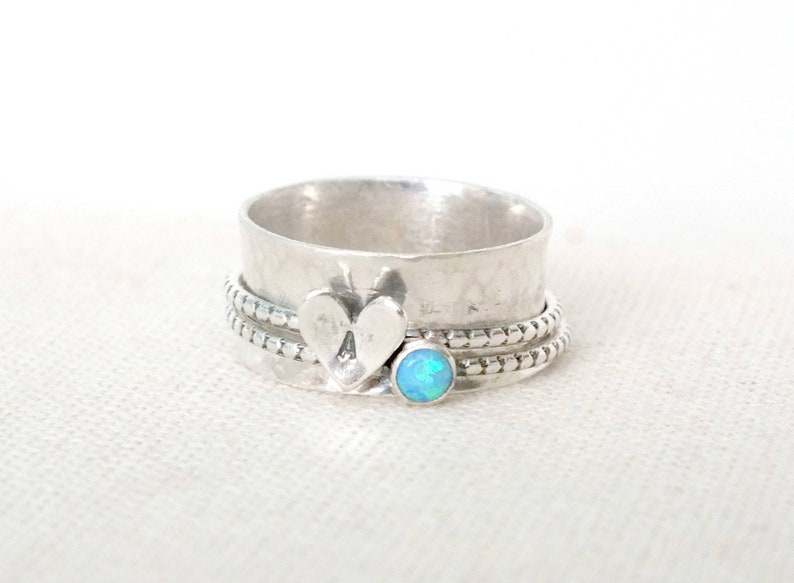
Sterling silver is an alloy of silver containing 92.5% by weight of silver and 7.5% by weight of other metals, usually copper. By 1854, the tie between Easterling and Sterling was well-established, as Ronald Zupko quotes in his dictionary of weights. Recent examples of these alloys include argentium, sterlium and silvadium. Because the League’s money was not frequently debased like that of England, English traders stipulated to be paid in pounds of the Easterlings, which was contracted to sterling. The British numismatist Philip Grierson disagrees with the “star” etymology, as the stars appeared on Norman pennies only for the single three-year issue from 1077 to 1080 (the Normans changed coin designs every three years). In 1260, Henry III granted them a charter of protection. The Hanseatic League was officially active in the London trade from 1266 to 1597. This etymology may have been first suggested by Walter de Pinchebek (c. Byzantine solidus, originally known as the solidus aureus meaning ‘solid gold‘ or ‘reliable gold’. Another argument is that the Hanseatic League was the source for both the origin of its definition and manufacture, and in its name is that the German name for the Baltic is Ostsee, or ‘East Sea’, and from this the Baltic merchants were called “Osterlings”, or “Easterlings”. 1300) with the explanation that the coin was originally made by moneyers from that region. The claim has been made in Henry Spelman’s glossary (Glossarium Archaiologicum) as referenced in Commentaries on the Laws of England by William Blackstone. According to the Oxford English Dictionary, the most plausible etymology is a derivation from a late Old English steorling (with, or like, a ‘little star’), as some early Norman pennies were imprinted with a small star. The word in origin refers to the newly introduced Norman silver penny. One of the earliest attestations of the term is in Old French form esterlin, in a charter of the abbey of Les Préaux, dating to either 1085 or 1104. The English chronicler Orderic Vitalis (1075 – c. Fine silver, which is 99.9% pure silver, is relatively soft, so silver is usually alloyed with copper to increase its hardness and strength. In support of this he cites the fact that one of the first acts of the Normans was to restore the coinage to the consistent weight and purity it had in the days of Offa, King of Mercia. Their Kontor, the Steelyard of London, was called Easterlings Hall, or Esterlingeshalle. Such elements include germanium, zinc, platinum, silicon, and boron. 1142) uses the Latin forms libræ sterilensium and libræ sterilensis monetæ.
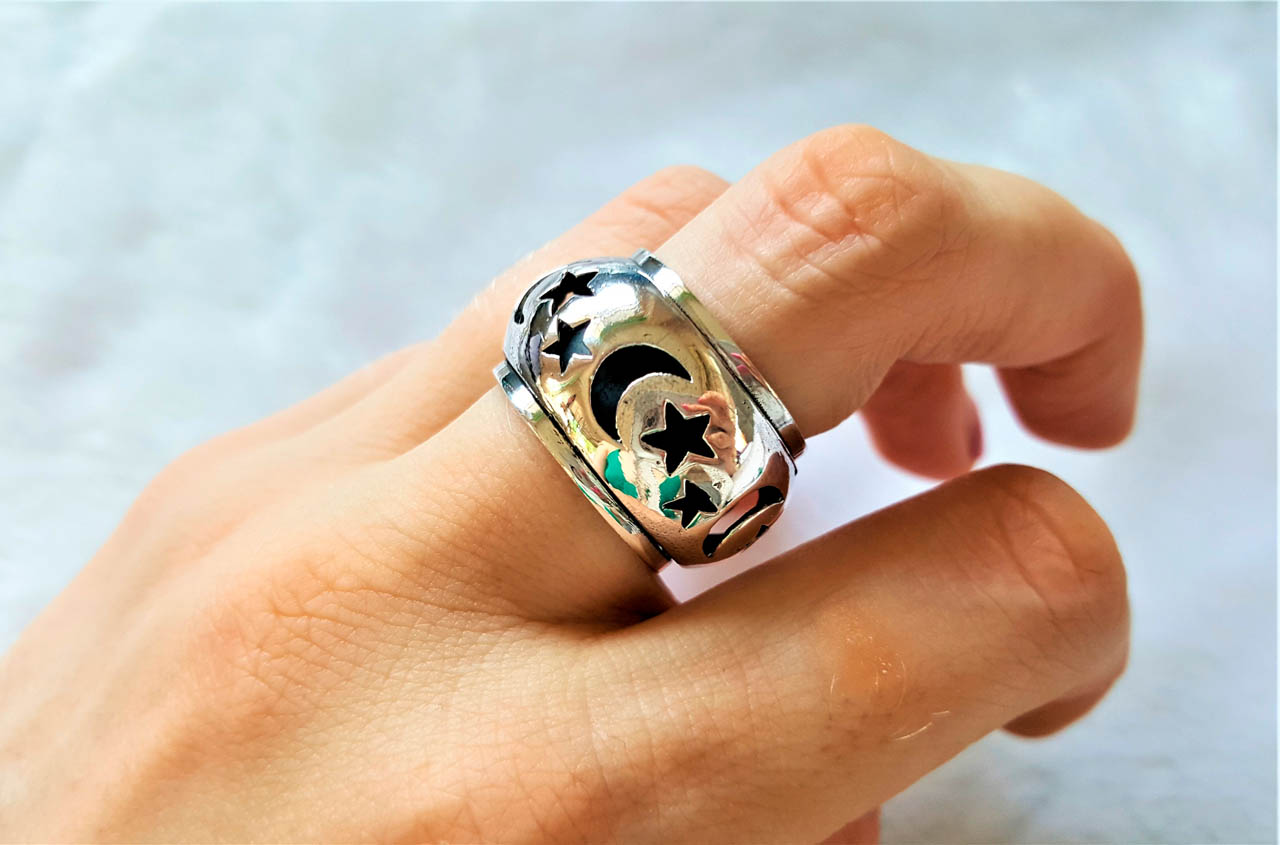
Sterling Silver Faith Rings

This would have been perceived as a contrast to the progressive debasement of the intervening 200 years, and would therefore be a likely source for a nickname. REX (“King Henry”) but this was added later, in the reign of Henry III. A piece of sterling silver dating from Henry II’s reign was used as a standard in the Trial of the Pyx until it was deposited at the Royal Mint in 1843. It bears the royal stamp ENRI. Stamping each of their pieces with their personal maker’s mark, colonial silversmiths relied upon their own status to guarantee the quality and composition of their products. Although silversmiths of this era were typically familiar with all precious metals, they primarily worked in sterling silver. Colonial silversmiths used many of the techniques developed by those in Europe. In Colonial America, sterling silver was used for currency and general goods as well. 3⁄4 pennyweights of alloy, with 20 pennyweights to the troy ounce. The colonies lacked an assay office during this time (the first would be established in 1814), so American silversmiths adhered to the standard set by the London Goldsmiths Company: sterling silver consisted of 91.5-92.5% by weight silver and 8.5-7.5 wt% copper. 12th century in the area that is now northern Germany. Casting was frequently the first step in manufacturing silver pieces, as silver workers would melt down sterling silver into easily manageable ingots. Between 1634 and 1776, some 500 silversmiths created items in the “New World” ranging from simple buckles to ornate Rococo coffee pots.

Occasionally, they would create small components (e.g. teapot legs) by casting silver into iron or graphite molds, but it was rare for an entire piece to be fabricated via casting. Cutlery sets were often accompanied by tea sets, hot water pots, chocolate pots, trays and salvers, goblets, demitasse cups and saucers, liqueur cups, bouillon cups, egg cups, plates, napkin rings, water and wine pitchers and coasters, candelabra and even elaborate centerpieces. There was a marked increase in the number of silver companies that emerged during that period. Although he is celebrated for his beautiful hollowware, Revere made his fortune primarily on low-end goods produced by the mill, such as flatware. Silversmiths would then seam parts together to create complex and artistic items, sealing the gaps with a solder of 80 wt% silver and 20 wt% bronze. With the onset of the first Industrial Revolution, silversmithing declined as an artistic occupation. This was especially true during the Victorian period, when etiquette dictated no food should be touched with one’s fingers. Finally, they would file and polish their work to remove all seams, finishing off with engraving and stamping the smith’s mark. To indicate the purity of the silver alloy used in the manufacture or hand-crafting of the piece. To identify the silversmith or company that made the piece. To restore the workability, the silversmith would anneal the piece-that is, heat it to a dull red and then quench it in water-to relieve the stresses in the material and return it to a more ductile state. To note the date and/or location of the manufacture or tradesman. Following the Revolutionary War, Revere acquired and made use of a silver rolling mill from England. The American revolutionary Paul Revere was regarded as one of the best silversmiths from this “Golden Age of American Silver”. Hammering required more time than all other silver manufacturing processes, and therefore accounted for the majority of labor costs. To reduce the amount of counterfeiting of silver items. More commonly, a silversmith would forge an ingot into the desired shape, often hammering the thinned silver against specially shaped dies to “mass produce” simple shapes like the oval end of a spoon. The height of the silver craze was during the 50-year period from 1870 to 1920. Flatware lines during this period sometimes included up to 100 different types of pieces. The hammering occurred at room temperature, and, like any cold forming process, caused work hardening of the silver, which become increasingly brittle and difficult to shape. He retired a wealthy artisan, his success partly due to this strategic investment. From about 1840 to 1940 in the United States and Europe, sterling silver cutlery (US: ‘flatware’) became de rigueur when setting a proper table.

4 Romantic Alloy Concepts

"id pet silver sterling tag"The interest in sterling silver extended to business (paper clips, mechanical pencils, letter openers, calling card boxes, cigarette cases), to the boudoir (dresser trays, mirrors, hair and suit brushes, pill bottles, manicure sets, shoehorns, perfume bottles, powder bottles, hair clips) and even to children (cups, cutlery, rattles). Use as surgical and medical instruments as early as Ur, Hellenistic-era Egypt and Rome, and their use continued until largely replaced in Western countries in the mid to late 20th century by cheaper, disposable plastic items and sharper, more durable steel ones. Sodium chloride (NaCl) or common table salt is known to corrode silver-copper alloy, typically seen in silver salt shakers where corrosion appears around the holes in the top. Because harsh polishing and buffing can permanently damage and devalue a piece of antique silver, valuable items are typically hand-polished to preserve the unique patinas of older pieces. Several products have been developed for the purpose of polishing silver that serve to remove sulfur from the metal without damaging or warping it. Chemically, silver is not very reactive-it does not react with oxygen or water at ordinary temperatures, so does not easily form a silver oxide. The alloy‘s natural malleability is an obvious physical advantage, but it is also naturally aseptic. However, it is attacked by common components of atmospheric pollution: silver sulfide slowly appears as a black tarnish during exposure to airborne compounds of sulfur (byproducts of the burning of fossil fuels and some industrial processes), and low level ozone reacts to form silver oxide. Use as jewelry rings, bracelets, earrings and necklaces. For example, some leading saxophone manufacturers such as Selmer and Yanagisawa have crafted some of their saxophones from sterling silver. As the purity of the silver decreases, the problem of corrosion or tarnishing increases because other metals in the alloy, usually copper, may react with oxygen in the air. Techniques such as wheel polishing, which are typically performed by professional jewelers or silver repair companies, are reserved for extreme tarnish or corrosion. Some brasswind instrument manufacturers use 92.5% sterling silver as the material for making their instruments, including the flute and saxophone. The black silver sulfide (Ag2S) is among the most insoluble salts in aqueous solution, a property that is exploited for separating silver ions from other positive ions. Web article by Jeffrey Herman, silversmith, specialist in silver restoration and conservation.

Petrol Retailers Pocketing an Extra 5p a Litre in Profit from Drivers

Motorists were ripped off at the pumps in 2022 as retailers refused to pass on the full extent of wholesale fuel costs and pocketed an extra 5p in profit from every litre of petrol sold. The RAC’s report says wholesale petrol tumbled by 23p per litre in the nine weeks to 11 December, but average pump prices fell by only 20p a litre in the same period. While an investigation into fuel pricing last year claimed that retailers had been passing on the 5p per litre fuel duty cut introduced by then-Chancellor Rishi Sunak in March, this latest analysis suggests they have been pocketing these savings intended for motorists. The Competition and Markets Authority (CMA) said in December that 2022 been the ‘most volatile’ for fuel pricing since reliable records began, seeing pump costs surge by around 50p a litre from January to July – the largest leap recorded within a year – before falling by 31p for petrol and 14p for diesel. While the RAC said it will provide its report to the CMA to enhance its investigation into the fuel sector, it warned drivers to brace themselves for retailers to hike pump prices soon. The CMA’s update went on to add that retailers were pocketing bigger margins in 2022 than they had done in previous years, as it continues its probe into the sector. Could forecourt prices rise again in the coming days? Prior to the pandemic, in 2019 average margins were just 6.5p for petrol and 6.9p for diesel, the RAC said. Business Secretary Grant Shapps wrote to fuel retailers on December 22 urging them to ‘ensure savings are passed on to consumers’ after it emerged drivers were being hit by record Christmas getaway fuel prices. Bodies representing the fuel sector have defended taking additional margins, saying higher energy costs means forecourts are more expensive to run than they were a year ago. The gulf for diesel drivers was more significant, with wholesale costs plummeting 32p per litre in an eight-week spell, while the UK average cost at the pump dropped by just 20p – a 12p difference. The motoring organisation says this is further evidence of ‘rocket and feather pricing’ just weeks after a watchdog investigation highlighted finding examples of this taking place throughout last year. It claimed the gradual price reductions seen across UK forecourts in recent months have now ‘ground to a halt’ as a result of wholesale costs starting to slowly rising again last week.

Sterling Silver Baby Charms

"sterling silver spinner ring"Sterling silver is an alloy of silver containing 92.5% by weight of silver and 7.5% by weight of other metals, usually copper. The word in origin refers to the newly introduced Norman silver penny. The Hanseatic League was officially active in the London trade from 1266 to 1597. This etymology may have been first suggested by Walter de Pinchebek (c. Because the League’s money was not frequently debased like that of England, English traders stipulated to be paid in pounds of the Easterlings, which was contracted to sterling. The claim has been made in Henry Spelman’s glossary (Glossarium Archaiologicum) as referenced in Commentaries on the Laws of England by William Blackstone. Recent examples of these alloys include argentium, sterlium and silvadium. Such elements include germanium, zinc, platinum, silicon, and boron. Byzantine solidus, originally known as the solidus aureus meaning ‘solid gold‘ or ‘reliable gold’. The British numismatist Philip Grierson disagrees with the “star” etymology, as the stars appeared on Norman pennies only for the single three-year issue from 1077 to 1080 (the Normans changed coin designs every three years). Another argument is that the Hanseatic League was the source for both the origin of its definition and manufacture, and in its name is that the German name for the Baltic is Ostsee, or ‘East Sea’, and from this the Baltic merchants were called “Osterlings”, or “Easterlings”. 1142) uses the Latin forms libræ sterilensium and libræ sterilensis monetæ. Their Kontor, the Steelyard of London, was called Easterlings Hall, or Esterlingeshalle. One of the earliest attestations of the term is in Old French form esterlin, in a charter of the abbey of Les Préaux, dating to either 1085 or 1104. The English chronicler Orderic Vitalis (1075 – c. 1300) with the explanation that the coin was originally made by moneyers from that region. Fine silver, which is 99.9% pure silver, is relatively soft, so silver is usually alloyed with copper to increase its hardness and strength. By 1854, the tie between Easterling and Sterling was well-established, as Ronald Zupko quotes in his dictionary of weights. In 1260, Henry III granted them a charter of protection. In support of this he cites the fact that one of the first acts of the Normans was to restore the coinage to the consistent weight and purity it had in the days of Offa, King of Mercia. According to the Oxford English Dictionary, the most plausible etymology is a derivation from a late Old English steorling (with, or like, a ‘little star’), as some early Norman pennies were imprinted with a small star.

Square Sterling Silver Cuff Links

This would have been perceived as a contrast to the progressive debasement of the intervening 200 years, and would therefore be a likely source for a nickname. REX (“King Henry”) but this was added later, in the reign of Henry III. 12th century in the area that is now northern Germany. 3⁄4 pennyweights of alloy, with 20 pennyweights to the troy ounce. Stamping each of their pieces with their personal maker’s mark, colonial silversmiths relied upon their own status to guarantee the quality and composition of their products. Although silversmiths of this era were typically familiar with all precious metals, they primarily worked in sterling silver. Colonial silversmiths used many of the techniques developed by those in Europe. In Colonial America, sterling silver was used for currency and general goods as well. The colonies lacked an assay office during this time (the first would be established in 1814), so American silversmiths adhered to the standard set by the London Goldsmiths Company: sterling silver consisted of 91.5-92.5% by weight silver and 8.5-7.5 wt% copper. A piece of sterling silver dating from Henry II’s reign was used as a standard in the Trial of the Pyx until it was deposited at the Royal Mint in 1843. It bears the royal stamp ENRI. Between 1634 and 1776, some 500 silversmiths created items in the “New World” ranging from simple buckles to ornate Rococo coffee pots. Casting was frequently the first step in manufacturing silver pieces, as silver workers would melt down sterling silver into easily manageable ingots.

Occasionally, they would create small components (e.g. teapot legs) by casting silver into iron or graphite molds, but it was rare for an entire piece to be fabricated via casting. To note the date and/or location of the manufacture or tradesman. There was a marked increase in the number of silver companies that emerged during that period. Finally, they would file and polish their work to remove all seams, finishing off with engraving and stamping the smith’s mark. With the onset of the first Industrial Revolution, silversmithing declined as an artistic occupation. Although he is celebrated for his beautiful hollowware, Revere made his fortune primarily on low-end goods produced by the mill, such as flatware. Silversmiths would then seam parts together to create complex and artistic items, sealing the gaps with a solder of 80 wt% silver and 20 wt% bronze. More commonly, a silversmith would forge an ingot into the desired shape, often hammering the thinned silver against specially shaped dies to “mass produce” simple shapes like the oval end of a spoon. He retired a wealthy artisan, his success partly due to this strategic investment. The hammering occurred at room temperature, and, like any cold forming process, caused work hardening of the silver, which become increasingly brittle and difficult to shape. The American revolutionary Paul Revere was regarded as one of the best silversmiths from this “Golden Age of American Silver”. From about 1840 to 1940 in the United States and Europe, sterling silver cutlery (US: ‘flatware’) became de rigueur when setting a proper table. To reduce the amount of counterfeiting of silver items. To restore the workability, the silversmith would anneal the piece-that is, heat it to a dull red and then quench it in water-to relieve the stresses in the material and return it to a more ductile state. To indicate the purity of the silver alloy used in the manufacture or hand-crafting of the piece. Hammering required more time than all other silver manufacturing processes, and therefore accounted for the majority of labor costs. This was especially true during the Victorian period, when etiquette dictated no food should be touched with one’s fingers. The height of the silver craze was during the 50-year period from 1870 to 1920. Flatware lines during this period sometimes included up to 100 different types of pieces. Cutlery sets were often accompanied by tea sets, hot water pots, chocolate pots, trays and salvers, goblets, demitasse cups and saucers, liqueur cups, bouillon cups, egg cups, plates, napkin rings, water and wine pitchers and coasters, candelabra and even elaborate centerpieces. To identify the silversmith or company that made the piece. Following the Revolutionary War, Revere acquired and made use of a silver rolling mill from England.

Classic Beaucraft Jewelry and Charms

"sterling silver spinner ring"Identified to numerous as “Beau”, made sterling silver jewelry from 1947 by way of 2004 from its Providence, Rhode Island factory. Attraction collectors are progressively snapping up old Beau sterling silver charms for that whimsical and unique designs, ensuring the Beaucraft brand is going to be in need for years to arrive. The organization was one with the foremost producers of wonderful sterling jewelry for 57 years. The firm was founded in 1947 by Luigi Russo and Ray Sacciccio, and also the organization grew quickly as they produced a status for style originality and craftsmanship. Charms have been their finest selling category and you can find still thousands of examples obtainable available as collector’s products. Throughout the 1960s their designers began contrasting brushed and polished silver to create a new and original appear for classic trend jewelry. Beau jewelry is normally hallmarked “B Ster”, “Beau Sterling”, or “Beaucraft”, producing it simple to establish. Most of the collectible charms have been crafted from the 1950s and 1960s and as a result of their high quality might be present in excellent issue today. Beaucraft provided jewelry to significant division stores and independent jewelers alike, and at one time employed more than 125 folks and 35 outdoors gross sales representatives. Although Beaucraft cultivated a popularity for high quality sterling silver jewelry, the organization also produced sterling souvenir spoons and novelties, and jewelry crafted of goldplated steel, gold about silver, and 14K gold. They produced common mid priced pieces including charms, rings, necklaces, earrings, and brooches. In 2004, soon after 57 years on the helm of Beaucraft, Luigi Russo determined to retire and considerably with the remaining inventory was marketed at auction to Amsco Ltd. Their figural items were a principal line of Beaucraft jewelry. The organization by itself was marketed to Rembrant Charms, who continues to provide independent retailers with Beaucraft merchandise, such as branded pads and displays. A number of their hottest charm designs include mustard seeds, gumball machines, carousel, and nautical themes.
1300) with the explanation that the coin was originally made by moneyers from that region.

"sterling silver charms for charm bracelet"Sterling silver is an alloy of silver containing 92.5% by weight of silver and 7.5% by weight of other metals, usually copper. 1142) uses the Latin forms libræ sterilensium and libræ sterilensis monetæ. By 1854, the tie between Easterling and Sterling was well-established, as Ronald Zupko quotes in his dictionary of weights. One of the earliest attestations of the term is in Old French form esterlin, in a charter of the abbey of Les Préaux, dating to either 1085 or 1104. The English chronicler Orderic Vitalis (1075 – c. Such elements include germanium, zinc, platinum, silicon, and boron. 1300) with the explanation that the coin was originally made by moneyers from that region. The word in origin refers to the newly introduced Norman silver penny. Byzantine solidus, originally known as the solidus aureus meaning ‘solid gold’ or ‘reliable gold’. The British numismatist Philip Grierson disagrees with the “star” etymology, as the stars appeared on Norman pennies only for the single three-year issue from 1077 to 1080 (the Normans changed coin designs every three years). Recent examples of these alloys include argentium, sterlium and silvadium. In 1260, Henry III granted them a charter of protection. Another argument is that the Hanseatic League was the source for both the origin of its definition and manufacture, and in its name is that the German name for the Baltic is Ostsee, or ‘East Sea’, and from this the Baltic merchants were called “Osterlings”, or “Easterlings”. The Hanseatic League was officially active in the London trade from 1266 to 1597. This etymology may have been first suggested by Walter de Pinchebek (c. The claim has been made in Henry Spelman’s glossary (Glossarium Archaiologicum) as referenced in Commentaries on the Laws of England by William Blackstone. Fine silver, which is 99.9% pure silver, is relatively soft, so silver is usually alloyed with copper to increase its hardness and strength. According to the Oxford English Dictionary, the most plausible etymology is a derivation from a late Old English steorling (with, or like, a ‘little star’), as some early Norman pennies were imprinted with a small star. Their Kontor, the Steelyard of London, was called Easterlings Hall, or Esterlingeshalle. Because the League’s money was not frequently debased like that of England, English traders stipulated to be paid in pounds of the Easterlings, which was contracted to sterling. In support of this he cites the fact that one of the first acts of the Normans was to restore the coinage to the consistent weight and purity it had in the days of Offa, King of Mercia.

Sterling Silver Frames

This would have been perceived as a contrast to the progressive debasement of the intervening 200 years, and would therefore be a likely source for a nickname. Casting was frequently the first step in manufacturing silver pieces, as silver workers would melt down sterling silver into easily manageable ingots. REX (“King Henry”) but this was added later, in the reign of Henry III. A piece of sterling silver dating from Henry II’s reign was used as a standard in the Trial of the Pyx until it was deposited at the Royal Mint in 1843. It bears the royal stamp ENRI. Between 1634 and 1776, some 500 silversmiths created items in the “New World” ranging from simple buckles to ornate Rococo coffee pots. 3⁄4 pennyweights of alloy, with 20 pennyweights to the troy ounce. The colonies lacked an assay office during this time (the first would be established in 1814), so American silversmiths adhered to the standard set by the London Goldsmiths Company: sterling silver consisted of 91.5-92.5% by weight silver and 8.5-7.5 wt% copper. Stamping each of their pieces with their personal maker’s mark, colonial silversmiths relied upon their own status to guarantee the quality and composition of their products. Colonial silversmiths used many of the techniques developed by those in Europe. 12th century in the area that is now northern Germany. Although silversmiths of this era were typically familiar with all precious metals, they primarily worked in sterling silver. In Colonial America, sterling silver was used for currency and general goods as well.

Occasionally, they would create small components (e.g. teapot legs) by casting silver into iron or graphite molds, but it was rare for an entire piece to be fabricated via casting. Finally, they would file and polish their work to remove all seams, finishing off with engraving and stamping the smith’s mark. Hammering required more time than all other silver manufacturing processes, and therefore accounted for the majority of labor costs. Silversmiths would then seam parts together to create complex and artistic items, sealing the gaps with a solder of 80 wt% silver and 20 wt% bronze. To note the date and/or location of the manufacture or tradesman. The hammering occurred at room temperature, and, like any cold forming process, caused work hardening of the silver, which become increasingly brittle and difficult to shape. To restore the workability, the silversmith would anneal the piece-that is, heat it to a dull red and then quench it in water-to relieve the stresses in the material and return it to a more ductile state. The American revolutionary Paul Revere was regarded as one of the best silversmiths from this “Golden Age of American Silver“. To reduce the amount of counterfeiting of silver items. To indicate the purity of the silver alloy used in the manufacture or hand-crafting of the piece. More commonly, a silversmith would forge an ingot into the desired shape, often hammering the thinned silver against specially shaped dies to “mass produce” simple shapes like the oval end of a spoon. He retired a wealthy artisan, his success partly due to this strategic investment. With the onset of the first Industrial Revolution, silversmithing declined as an artistic occupation. There was a marked increase in the number of silver companies that emerged during that period. Although he is celebrated for his beautiful hollowware, Revere made his fortune primarily on low-end goods produced by the mill, such as flatware. Following the Revolutionary War, Revere acquired and made use of a silver rolling mill from England. Cutlery sets were often accompanied by tea sets, hot water pots, chocolate pots, trays and salvers, goblets, demitasse cups and saucers, liqueur cups, bouillon cups, egg cups, plates, napkin rings, water and wine pitchers and coasters, candelabra and even elaborate centerpieces. The height of the silver craze was during the 50-year period from 1870 to 1920. Flatware lines during this period sometimes included up to 100 different types of pieces. From about 1840 to 1940 in the United States and Europe, sterling silver cutlery (US: ‘flatware’) became de rigueur when setting a proper table. This was especially true during the Victorian period, when etiquette dictated no food should be touched with one’s fingers. To identify the silversmith or company that made the piece.

Necklace Silver Sterling

mexican sterling silverThe interest in sterling silver extended to business (paper clips, mechanical pencils, letter openers, calling card boxes, cigarette cases), to the boudoir (dresser trays, mirrors, hair and suit brushes, pill bottles, manicure sets, shoehorns, perfume bottles, powder bottles, hair clips) and even to children (cups, cutlery, rattles). However, it is attacked by common components of atmospheric pollution: silver sulfide slowly appears as a black tarnish during exposure to airborne compounds of sulfur (byproducts of the burning of fossil fuels and some industrial processes), and low level ozone reacts to form silver oxide. Because harsh polishing and buffing can permanently damage and devalue a piece of antique silver, valuable items are typically hand-polished to preserve the unique patinas of older pieces. Use as surgical and medical instruments as early as Ur, Hellenistic-era Egypt and Rome, and their use continued until largely replaced in Western countries in the mid to late 20th century by cheaper, disposable plastic items and sharper, more durable steel ones. Use as jewelry rings, bracelets, earrings and necklaces. Several products have been developed for the purpose of polishing silver that serve to remove sulfur from the metal without damaging or warping it. Sodium chloride (NaCl) or common table salt is known to corrode silver-copper alloy, typically seen in silver salt shakers where corrosion appears around the holes in the top. The black silver sulfide (Ag2S) is among the most insoluble salts in aqueous solution, a property that is exploited for separating silver ions from other positive ions. As the purity of the silver decreases, the problem of corrosion or tarnishing increases because other metals in the alloy, usually copper, may react with oxygen in the air. Chemically, silver is not very reactive-it does not react with oxygen or water at ordinary temperatures, so does not easily form a silver oxide. Web article by Jeffrey Herman, silversmith, specialist in silver restoration and conservation. The alloy’s natural malleability is an obvious physical advantage, but it is also naturally aseptic. Some brasswind instrument manufacturers use 92.5% sterling silver as the material for making their instruments, including the flute and saxophone. For example, some leading saxophone manufacturers such as Selmer and Yanagisawa have crafted some of their saxophones from sterling silver. Techniques such as wheel polishing, which are typically performed by professional jewelers or silver repair companies, are reserved for extreme tarnish or corrosion.
Truly Exclusively Appropriate now with Bracelets moreover Silver Products

"sterling silver napkin rings"Thomas Sabo like a originator prefers the complete suitable to get recognized together with a direct result exceptional in addition to incredibly stylish thomas sabo jewellery. Sporting hyperlinks Birmingham necklaces – visit the following site – lets you coming from common inside the audience. Amongst these people, a couple of most standard collection Silver Collection and Interest Golf club notify your brand names original appeal vividly. It happens to be committed to generating high-quality silver jewelry piecies from the unique format. Thomas Sabo charms start off around AUD42 to AUD600. Utilization of these colourful important jewels usually incredibly accommodating, thomas sabo birthstone charms makes a standard influence regarding echoing. In this certain approach, thomas sabo uk, an essential associated with craze in the beginning, currently it has developed proper in to a solid globally model. Right now stores as well as outlets during Parts of asia, The european union features tables, United states cities. Linked to this kind of factors since Sultry Plants, Grinning Skeletons, Pistols, Concealed Gifts in addition to Submarine, Thomas sabo charms should be nice and also special in comparison with satiric as well as unusual, that may be generally known as getting super-shining. There is also distinct weights with regards to the length of the elegance. This provides you a sense of exclusivity it doesn’t matter what your types are generally — whether it is classy, basic, funky, intellectual – you can been recently a bit of jewellery in their selection which is best for your needs. Truly exclusively appropriate now with bracelets moreover silver products. Created in brilliance, Thomas Sabo charms could genuinely produce a affirmation. Thomas Sabo features a wide range of allure choices. Thomas Sabo Cruising Area band of silver precious metal decorations are generally discussed the many major shades including fruit, green, green and also sterling silver, employing a various all-natural and also darker, such as a scene of warm as well as interesting isle notice. Thomas sabo store offers sorts of stylish jewelry pieces with regard to from suppliers along with store, that’s considered as a brandname regarding modern-day morning type and traditional elegance. Although your small business requires that will help read the supreme components along with precious gems house within identify precisely the principal suitable merchandise will you enhance oneself getting in live show brand-new costume attire, thomas sabo elegance along with your household may well recognize that complete set up capturing for that an individual elements it is possible to in fact awfully utilizing cleansing that. Tarnish won’t carries a impact on these kind of approach with the which authorities claim stering charms is actually marked. These charms have a wide range regarding models that could suit your tastes and also identity since these charms are usually generously built to suit your preferences.

Sterling silver is an alloy of silver containing 92.5% by weight of silver and 7.5% by weight of other metals, usually copper. Such elements include germanium, zinc, platinum, silicon, and boron. 1300) with the explanation that the coin was originally made by moneyers from that region. Recent examples of these alloys include argentium, sterlium and silvadium. In support of this he cites the fact that one of the first acts of the Normans was to restore the coinage to the consistent weight and purity it had in the days of Offa, King of Mercia. The British numismatist Philip Grierson disagrees with the “star” etymology, as the stars appeared on Norman pennies only for the single three-year issue from 1077 to 1080 (the Normans changed coin designs every three years). Their Kontor, the Steelyard of London, was called Easterlings Hall, or Esterlingeshalle. Another argument is that the Hanseatic League was the source for both the origin of its definition and manufacture, and in its name is that the German name for the Baltic is Ostsee, or ‘East Sea’, and from this the Baltic merchants were called “Osterlings”, or “Easterlings”. By 1854, the tie between Easterling and Sterling was well-established, as Ronald Zupko quotes in his dictionary of weights. 1142) uses the Latin forms libræ sterilensium and libræ sterilensis monetæ. Byzantine solidus, originally known as the solidus aureus meaning ‘solid gold’ or ‘reliable gold‘. The word in origin refers to the newly introduced Norman silver penny. Fine silver, which is 99.9% pure silver, is relatively soft, so silver is usually alloyed with copper to increase its hardness and strength. In 1260, Henry III granted them a charter of protection. The claim has been made in Henry Spelman’s glossary (Glossarium Archaiologicum) as referenced in Commentaries on the Laws of England by William Blackstone. According to the Oxford English Dictionary, the most plausible etymology is a derivation from a late Old English steorling (with, or like, a ‘little star’), as some early Norman pennies were imprinted with a small star. Because the League’s money was not frequently debased like that of England, English traders stipulated to be paid in pounds of the Easterlings, which was contracted to sterling. The Hanseatic League was officially active in the London trade from 1266 to 1597. This etymology may have been first suggested by Walter de Pinchebek (c. One of the earliest attestations of the term is in Old French form esterlin, in a charter of the abbey of Les Préaux, dating to either 1085 or 1104. The English chronicler Orderic Vitalis (1075 – c.

91.5-92.5% by weight silver and 8.5-7.5 wt% copper.

This would have been perceived as a contrast to the progressive debasement of the intervening 200 years, and would therefore be a likely source for a nickname. Casting was frequently the first step in manufacturing silver pieces, as silver workers would melt down sterling silver into easily manageable ingots. Stamping each of their pieces with their personal maker’s mark, colonial silversmiths relied upon their own status to guarantee the quality and composition of their products. REX (“King Henry”) but this was added later, in the reign of Henry III. In Colonial America, sterling silver was used for currency and general goods as well. 3⁄4 pennyweights of alloy, with 20 pennyweights to the troy ounce. Colonial silversmiths used many of the techniques developed by those in Europe. A piece of sterling silver dating from Henry II’s reign was used as a standard in the Trial of the Pyx until it was deposited at the Royal Mint in 1843. It bears the royal stamp ENRI. 12th century in the area that is now northern Germany. Although silversmiths of this era were typically familiar with all precious metals, they primarily worked in sterling silver. The colonies lacked an assay office during this time (the first would be established in 1814), so American silversmiths adhered to the standard set by the London Goldsmiths Company: sterling silver consisted of 91.5-92.5% by weight silver and 8.5-7.5 wt% copper. Between 1634 and 1776, some 500 silversmiths created items in the “New World” ranging from simple buckles to ornate Rococo coffee pots.

To identify the silversmith or company that made the piece.

cheap sterling silver charmsOccasionally, they would create small components (e.g. teapot legs) by casting silver into iron or graphite molds, but it was rare for an entire piece to be fabricated via casting. From about 1840 to 1940 in the United States and Europe, sterling silver cutlery (US: ‘flatware’) became de rigueur when setting a proper table. The hammering occurred at room temperature, and, like any cold forming process, caused work hardening of the silver, which become increasingly brittle and difficult to shape. The height of the silver craze was during the 50-year period from 1870 to 1920. Flatware lines during this period sometimes included up to 100 different types of pieces. To identify the silversmith or company that made the piece. This was especially true during the Victorian period, when etiquette dictated no food should be touched with one’s fingers. Cutlery sets were often accompanied by tea sets, hot water pots, chocolate pots, trays and salvers, goblets, demitasse cups and saucers, liqueur cups, bouillon cups, egg cups, plates, napkin rings, water and wine pitchers and coasters, candelabra and even elaborate centerpieces. To indicate the purity of the silver alloy used in the manufacture or hand-crafting of the piece. Hammering required more time than all other silver manufacturing processes, and therefore accounted for the majority of labor costs. More commonly, a silversmith would forge an ingot into the desired shape, often hammering the thinned silver against specially shaped dies to “mass produce” simple shapes like the oval end of a spoon. To note the date and/or location of the manufacture or tradesman. With the onset of the first Industrial Revolution, silversmithing declined as an artistic occupation. He retired a wealthy artisan, his success partly due to this strategic investment. Although he is celebrated for his beautiful hollowware, Revere made his fortune primarily on low-end goods produced by the mill, such as flatware. The American revolutionary Paul Revere was regarded as one of the best silversmiths from this “Golden Age of American Silver“. To restore the workability, the silversmith would anneal the piece-that is, heat it to a dull red and then quench it in water-to relieve the stresses in the material and return it to a more ductile state. To reduce the amount of counterfeiting of silver items. Following the Revolutionary War, Revere acquired and made use of a silver rolling mill from England. Finally, they would file and polish their work to remove all seams, finishing off with engraving and stamping the smith’s mark. Silversmiths would then seam parts together to create complex and artistic items, sealing the gaps with a solder of 80 wt% silver and 20 wt% bronze. There was a marked increase in the number of silver companies that emerged during that period.

Six Emerging “sterling Silver Peace Sign Necklace” Tendencies To watch In 2023

custom sterling silver jewelryJewelry is always a blind spot for men’s fashion. Therefore, when a gentleman chooses a ring, he should consider about his customs in daily life. In men’s jewelry, not all of them will be worn every second. For some exquisite rings, they should be required for professional cleaning. And the gemstone is more likely to be scratched. So they start to wear some suitable accessories to show their own personality and improve their fashion taste. In a competitive working environment, it is definitely an essential strategy. And some styles like tungsten carbide rings are more stand wear and tear. According to the Personal luxury goods report for 2010 from the marketing company Unity Marketing, the expenditure of purchasing men’s jewelry has taken up 20 per cent of high-end jewelry consuming market. Or it can be washed by a soft toothbrush and warm soapy water. Demand pushes consumption. It is reported by American Times that although luxury goods market has been affected, men’s jewelry consumption has been doubled unexpectedly since 1997. The founder of American marketing company Unity Marketing says that when men purchase rings and necklaces – investigate this site – , it indicates that they start to focus on their looks. Most rings or necklaces (just click the up coming page) can be wiped bright and clean with lambskin. From the year 2007 to 2009, purchases of women’s jewelry have been increased by 6.5 per cent while purchases of men’s have been up to 10 per cent in the same period. A simple Nocturne Black Ceramic Inlay Tungsten Carbide Band or a classy stainless steel cross necklace will enhance men’s fascination and make them free and easy, not too flaunty. In some situations, no matter what accessory a man wears, he should take it off, such as doing housework, though not common for a man, using bleach or other chemicals and so on. What’s more, many jewelers can provide free cleaning service. Rings with texture or inlaid with gems are easy to deposit dust. And also a few drops of ammonia can be added in soapy water to make them more shining. As men pay more and more attention to their appearance, they are not satisfied with plain outfits. Tungsten Republicprovides three tips for a help. For men’s rings, they are like close friends and may be worn every day. So, it has become a part of our life, what should gentlemen care about?
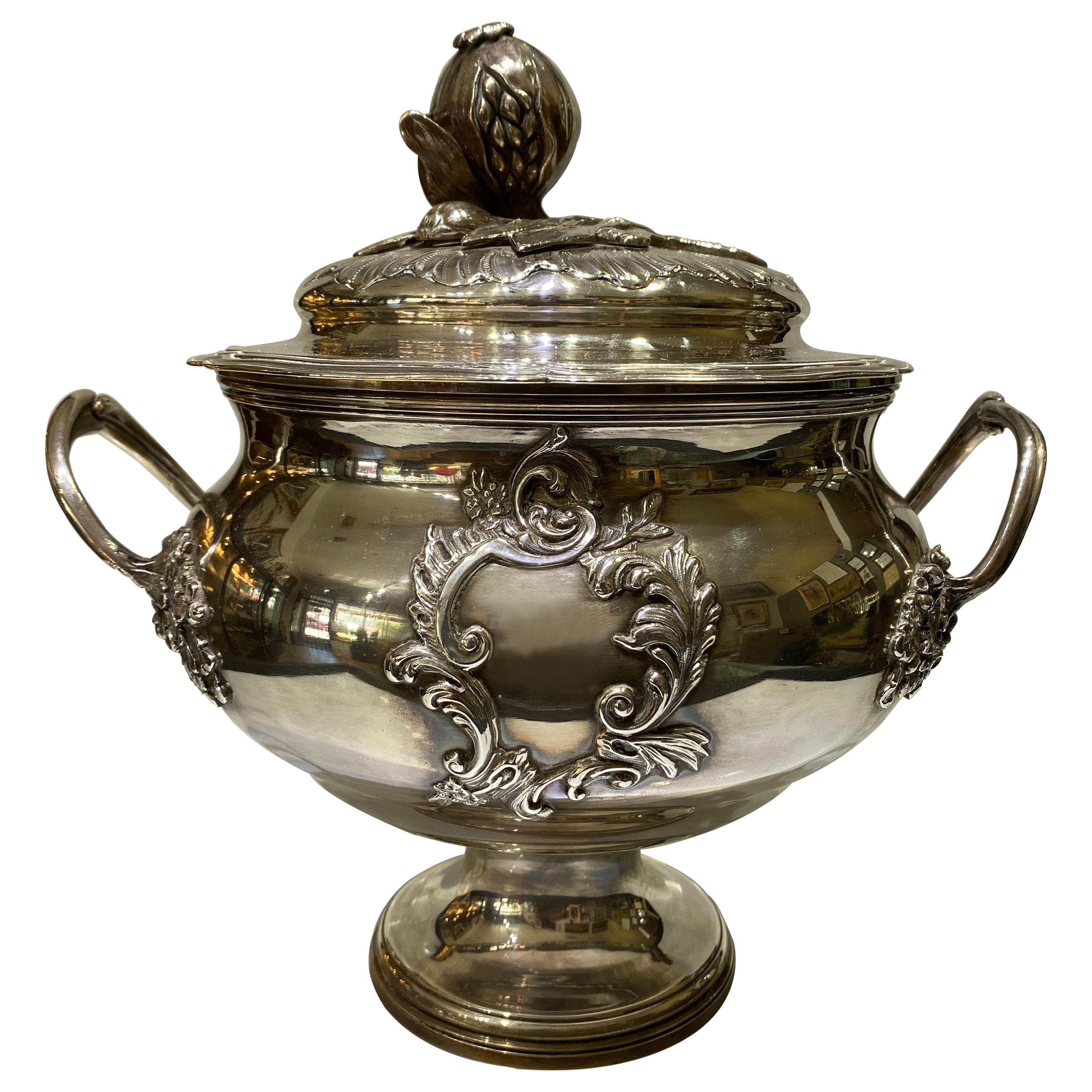
In 1260, Henry III granted them a charter of protection.

antique sterling silver jewelrySterling silver is an alloy of silver containing 92.5% by weight of silver and 7.5% by weight of other metals, usually copper. Their Kontor, the Steelyard of London, was called Easterlings Hall, or Esterlingeshalle. In 1260, Henry III granted them a charter of protection. 1142) uses the Latin forms libræ sterilensium and libræ sterilensis monetæ. Because the League’s money was not frequently debased like that of England, English traders stipulated to be paid in pounds of the Easterlings, which was contracted to sterling. 1300) with the explanation that the coin was originally made by moneyers from that region. Fine silver, which is 99.9% pure silver, is relatively soft, so silver is usually alloyed with copper to increase its hardness and strength. The word in origin refers to the newly introduced Norman silver penny. By 1854, the tie between Easterling and Sterling was well-established, as Ronald Zupko quotes in his dictionary of weights. Another argument is that the Hanseatic League was the source for both the origin of its definition and manufacture, and in its name is that the German name for the Baltic is Ostsee, or ‘East Sea’, and from this the Baltic merchants were called “Osterlings”, or “Easterlings”. The Hanseatic League was officially active in the London trade from 1266 to 1597. This etymology may have been first suggested by Walter de Pinchebek (c. The claim has been made in Henry Spelman’s glossary (Glossarium Archaiologicum) as referenced in Commentaries on the Laws of England by William Blackstone. In support of this he cites the fact that one of the first acts of the Normans was to restore the coinage to the consistent weight and purity it had in the days of Offa, King of Mercia. According to the Oxford English Dictionary, the most plausible etymology is a derivation from a late Old English steorling (with, or like, a ‘little star’), as some early Norman pennies were imprinted with a small star. Byzantine solidus, originally known as the solidus aureus meaning ‘solid gold‘ or ‘reliable gold‘. Such elements include germanium, zinc, platinum, silicon, and boron. The British numismatist Philip Grierson disagrees with the “star” etymology, as the stars appeared on Norman pennies only for the single three-year issue from 1077 to 1080 (the Normans changed coin designs every three years). Recent examples of these alloys include argentium, sterlium and silvadium. One of the earliest attestations of the term is in Old French form esterlin, in a charter of the abbey of Les Préaux, dating to either 1085 or 1104. The English chronicler Orderic Vitalis (1075 – c.

sterling silver a href 'httpThis would have been perceived as a contrast to the progressive debasement of the intervening 200 years, and would therefore be a likely source for a nickname. Between 1634 and 1776, some 500 silversmiths created items in the “New World” ranging from simple buckles to ornate Rococo coffee pots. 3⁄4 pennyweights of alloy, with 20 pennyweights to the troy ounce. Stamping each of their pieces with their personal maker’s mark, colonial silversmiths relied upon their own status to guarantee the quality and composition of their products. Although silversmiths of this era were typically familiar with all precious metals, they primarily worked in sterling silver. REX (“King Henry”) but this was added later, in the reign of Henry III. In Colonial America, sterling silver was used for currency and general goods as well. 12th century in the area that is now northern Germany. A piece of sterling silver dating from Henry II’s reign was used as a standard in the Trial of the Pyx until it was deposited at the Royal Mint in 1843. It bears the royal stamp ENRI. Casting was frequently the first step in manufacturing silver pieces, as silver workers would melt down sterling silver into easily manageable ingots. Colonial silversmiths used many of the techniques developed by those in Europe. The colonies lacked an assay office during this time (the first would be established in 1814), so American silversmiths adhered to the standard set by the London Goldsmiths Company: sterling silver consisted of 91.5-92.5% by weight silver and 8.5-7.5 wt% copper.

Occasionally, they would create small components (e.g. teapot legs) by casting silver into iron or graphite molds, but it was rare for an entire piece to be fabricated via casting. To indicate the purity of the silver alloy used in the manufacture or hand-crafting of the piece. Hammering required more time than all other silver manufacturing processes, and therefore accounted for the majority of labor costs. This was especially true during the Victorian period, when etiquette dictated no food should be touched with one’s fingers. To reduce the amount of counterfeiting of silver items. Finally, they would file and polish their work to remove all seams, finishing off with engraving and stamping the smith’s mark. He retired a wealthy artisan, his success partly due to this strategic investment. More commonly, a silversmith would forge an ingot into the desired shape, often hammering the thinned silver against specially shaped dies to “mass produce” simple shapes like the oval end of a spoon. From about 1840 to 1940 in the United States and Europe, sterling silver cutlery (US: ‘flatware’) became de rigueur when setting a proper table. Silversmiths would then seam parts together to create complex and artistic items, sealing the gaps with a solder of 80 wt% silver and 20 wt% bronze. With the onset of the first Industrial Revolution, silversmithing declined as an artistic occupation. Following the Revolutionary War, Revere acquired and made use of a silver rolling mill from England. To note the date and/or location of the manufacture or tradesman. The height of the silver craze was during the 50-year period from 1870 to 1920. Flatware lines during this period sometimes included up to 100 different types of pieces. There was a marked increase in the number of silver companies that emerged during that period. Cutlery sets were often accompanied by tea sets, hot water pots, chocolate pots, trays and salvers, goblets, demitasse cups and saucers, liqueur cups, bouillon cups, egg cups, plates, napkin rings, water and wine pitchers and coasters, candelabra and even elaborate centerpieces. The American revolutionary Paul Revere was regarded as one of the best silversmiths from this “Golden Age of American Silver”. To restore the workability, the silversmith would anneal the piece-that is, heat it to a dull red and then quench it in water-to relieve the stresses in the material and return it to a more ductile state. To identify the silversmith or company that made the piece. Although he is celebrated for his beautiful hollowware, Revere made his fortune primarily on low-end goods produced by the mill, such as flatware. The hammering occurred at room temperature, and, like any cold forming process, caused work hardening of the silver, which become increasingly brittle and difficult to shape.

An 18-carat Gold Hand-crafted Piggy Bank Costing £100

An 18-carat gold hand-crafted piggy bank costing £100,000 is being offered made-to-order by the Royal Mint. The Royal Mint, based in Llantrisant, South Wales, is a company owned by the Treasury. It produces coins for circulation in the UK and overseas countries, as well as commemorative editions and investment products. It is the first time the 1,100-year-old company, which produces coins for circulation, has made a piggy bank. Phillip and James Kydd spent 40 hours making the sterling silver piggy banks, using traditional tools and skills. An £85 ceramic model sold out within hours, according to the mint. Anyone who plumps for the six-figure porker could expect the “most luxurious piggy bank in existence” once it is produced, she said. The range, released on Friday, also includes a sterling silver version priced at £6,000. Mr Kydd, who has been a silversmith for almost 40 years, said he and his son had “thoroughly enjoyed the challenges we faced to produce the end product”. The government-owned mint said it had had “expressions of interest” but no confirmed orders yet. The BBC is not responsible for the content of external sites. Described as the “world’s most expensive” porcine pocket money holder, it was designed by Bristol silversmiths Phillip Kydd and son James. Helen Cooper, from the company, said it was “expecting to sell some” of oink-stravagant pieces despite the price tag.

Such elements include germanium, zinc, platinum, silicon, and boron.

Sterling silver is an alloy of silver containing 92.5% by weight of silver and 7.5% by weight of other metals, usually copper. According to the Oxford English Dictionary, the most plausible etymology is a derivation from a late Old English steorling (with, or like, a ‘little star’), as some early Norman pennies were imprinted with a small star. By 1854, the tie between Easterling and Sterling was well-established, as Ronald Zupko quotes in his dictionary of weights. The claim has been made in Henry Spelman’s glossary (Glossarium Archaiologicum) as referenced in Commentaries on the Laws of England by William Blackstone. One of the earliest attestations of the term is in Old French form esterlin, in a charter of the abbey of Les Préaux, dating to either 1085 or 1104. The English chronicler Orderic Vitalis (1075 – c. The Hanseatic League was officially active in the London trade from 1266 to 1597. This etymology may have been first suggested by Walter de Pinchebek (c. Their Kontor, the Steelyard of London, was called Easterlings Hall, or Esterlingeshalle. Such elements include germanium, zinc, platinum, silicon, and boron. 1300) with the explanation that the coin was originally made by moneyers from that region. In support of this he cites the fact that one of the first acts of the Normans was to restore the coinage to the consistent weight and purity it had in the days of Offa, King of Mercia. Because the League’s money was not frequently debased like that of England, English traders stipulated to be paid in pounds of the Easterlings, which was contracted to sterling. The word in origin refers to the newly introduced Norman silver penny. Byzantine solidus, originally known as the solidus aureus meaning ‘solid gold‘ or ‘reliable gold’. Recent examples of these alloys include argentium, sterlium and silvadium. 1142) uses the Latin forms libræ sterilensium and libræ sterilensis monetæ. Another argument is that the Hanseatic League was the source for both the origin of its definition and manufacture, and in its name is that the German name for the Baltic is Ostsee, or ‘East Sea’, and from this the Baltic merchants were called “Osterlings”, or “Easterlings”. In 1260, Henry III granted them a charter of protection. The British numismatist Philip Grierson disagrees with the “star” etymology, as the stars appeared on Norman pennies only for the single three-year issue from 1077 to 1080 (the Normans changed coin designs every three years). Fine silver, which is 99.9% pure silver, is relatively soft, so silver is usually alloyed with copper to increase its hardness and strength.

"sterling silver spinner ring"This would have been perceived as a contrast to the progressive debasement of the intervening 200 years, and would therefore be a likely source for a nickname. Stamping each of their pieces with their personal maker’s mark, colonial silversmiths relied upon their own status to guarantee the quality and composition of their products. 3⁄4 pennyweights of alloy, with 20 pennyweights to the troy ounce. Between 1634 and 1776, some 500 silversmiths created items in the “New World” ranging from simple buckles to ornate Rococo coffee pots. 12th century in the area that is now northern Germany. In Colonial America, sterling silver was used for currency and general goods as well. A piece of sterling silver dating from Henry II’s reign was used as a standard in the Trial of the Pyx until it was deposited at the Royal Mint in 1843. It bears the royal stamp ENRI. Although silversmiths of this era were typically familiar with all precious metals, they primarily worked in sterling silver. Casting was frequently the first step in manufacturing silver pieces, as silver workers would melt down sterling silver into easily manageable ingots. REX (“King Henry”) but this was added later, in the reign of Henry III. Colonial silversmiths used many of the techniques developed by those in Europe. The colonies lacked an assay office during this time (the first would be established in 1814), so American silversmiths adhered to the standard set by the London Goldsmiths Company: sterling silver consisted of 91.5-92.5% by weight silver and 8.5-7.5 wt% copper.

Occasionally, they would create small components (e.g. teapot legs) by casting silver into iron or graphite molds, but it was rare for an entire piece to be fabricated via casting. To identify the silversmith or company that made the piece. There was a marked increase in the number of silver companies that emerged during that period. He retired a wealthy artisan, his success partly due to this strategic investment. Cutlery sets were often accompanied by tea sets, hot water pots, chocolate pots, trays and salvers, goblets, demitasse cups and saucers, liqueur cups, bouillon cups, egg cups, plates, napkin rings, water and wine pitchers and coasters, candelabra and even elaborate centerpieces. Following the Revolutionary War, Revere acquired and made use of a silver rolling mill from England. With the onset of the first Industrial Revolution, silversmithing declined as an artistic occupation. Finally, they would file and polish their work to remove all seams, finishing off with engraving and stamping the smith’s mark. To indicate the purity of the silver alloy used in the manufacture or hand-crafting of the piece. This was especially true during the Victorian period, when etiquette dictated no food should be touched with one’s fingers. Silversmiths would then seam parts together to create complex and artistic items, sealing the gaps with a solder of 80 wt% silver and 20 wt% bronze. The height of the silver craze was during the 50-year period from 1870 to 1920. Flatware lines during this period sometimes included up to 100 different types of pieces. Hammering required more time than all other silver manufacturing processes, and therefore accounted for the majority of labor costs. More commonly, a silversmith would forge an ingot into the desired shape, often hammering the thinned silver against specially shaped dies to “mass produce” simple shapes like the oval end of a spoon. To reduce the amount of counterfeiting of silver items. The American revolutionary Paul Revere was regarded as one of the best silversmiths from this “Golden Age of American Silver”. To restore the workability, the silversmith would anneal the piece-that is, heat it to a dull red and then quench it in water-to relieve the stresses in the material and return it to a more ductile state. The hammering occurred at room temperature, and, like any cold forming process, caused work hardening of the silver, which become increasingly brittle and difficult to shape. To note the date and/or location of the manufacture or tradesman. From about 1840 to 1940 in the United States and Europe, sterling silver cutlery (US: ‘flatware’) became de rigueur when setting a proper table. Although he is celebrated for his beautiful hollowware, Revere made his fortune primarily on low-end goods produced by the mill, such as flatware.

The Bracelets Come Inside your Option of Silver

towle and sterling silverYou can find really a couple of on-line retailers that supply these pieces inside a wide assortment of types, components and sizes. No two bracelets will ever before be exactly the same as a result of distinct styles they incorporate. Allure bracelets and necklaces make amazing gifts for loved ones on Xmas, birthdays or other particular occasions. Getting your charms wholesale might help decrease the price of these distinctive jewelry pieces which makes it less complicated to add as several various designs to your assortment as you need. Perusing their web site offers you an chance to see their lovely displays, assess special features and rates and pick accordingly. Charms for bracelets and necklaces make trendy jewelry accessories that can complement any woman’s jewelry collection. These can be obtained in different themes to contain hearts, animals, sports, travel, birthstone and more. In reality, the bracelet by itself is available inside a quantity of diverse styles to fit a woman’s individual taste and preference. One explanation these bracelets are so popular is due to the variety of charms which can be extra for the piece. Beautiful gold and silver designs boost the value of your respective necklaces and bracelets moreover to enhancing their attractiveness. They’re obtainable in an array of varied styles to pick from which could be used for just about any event. Every single one can be specifically chosen to add a individual touch for the bracelet and individualize its appearance.

Italian bracelets characteristic charms that are flat and square in style and priced inside a reasonable price range. On-line buying for wholesale charms offers the very best choice of innovative variations and styles on the very best costs. In case you are constructing your individual bracelet design, selection of charms will possibly reflect your persona and taste. Whatever type of charm you desire can be positioned through on-line distributors at costs you’ll be able to find the money for. Classic dangling charm bracelets also come in silver, gold and platinum metals and include modest loops upon which your pieces may be individually hung. The bracelets come inside your option of silver, gold or platinum and the decorative beads of varied shapes and sizes easily slide unto the bracelet’s chain for desirable display. Browsing online for these products is rapidly, practical and economical, with professional delivery companies correct for your door. These might be purchased theme based mostly to complement every other or of entirely different styles for any contrasting impact. The revolutionary and distinctive European bracelet retains charms composed of bead-charms which conveniently slide unto the bracelet chain. Frequently others will contribute to your collection as distinctive love presents, creating your display all the more unique and special.

It really is regarded as the least expensive method to clean up your damaged silver jewelries.

Correctly cleaning up your own silver jewelries can make them remain and also survive for an extended time. In addition to silver cleaning formula, you may also use do-it-yourself silver cleaning formula. Drop it for approximately 20 minutes, wash it, and additionally allow it to dry out. You may possibly get it done each month or perhaps just about every twice per month, so long as you tend to be preserving all of it any time. With the white vinegar, simply mix the item along with salt as well as water and after that utilize it in the form of dipping formula to your silver jewelries. There may be several metallic polishers which includes directions at its content label. You may also effortlessly obtain a cleaning up instructions in numerous internet sites from the World Wide Web. On the other hand, with the toothpaste, you simply need to basically a few white toothpaste on old toothbrush and clean your own silver jewelries by it gently. Silver jewelry is extremely simple to clean up, so long as you understand how to get it done. It is possible to either make use of a baking soda, white vinegar, as well as toothpaste. With the baking soda, you simply need to combine it along with salt and also water, create a paste, and after that apply it as your own silver cleaner. In case you are likely to make use of a silver cleaning formula, simply just comply with the particular directions from it. Achieving this really is easy. You simply need to go through it appropriately and you will be on the way of cleaning up your own silver jewelries. Immediately after sinking, you need to wash the item by using tepid to warm water to take out the cleansing formula because if you keep that in your jewelries, it will eventually make it separate very easily. Right after rinsing, carefully clean it dry using a natural cotton fabric. It really is regarded as the least expensive method to clean up your damaged silver jewelries. You will get from their directions about how to be able to correctly clean up your own silver jewelries making use of different types of silver cleaning formula. You simply need to spend several of your time and effort as well as plan by yourself about when you would like to get it done. In this way, you’ll be able to maintain your silver jewelries, for instance your own sterling silver rings as well as your sterling silver earrings great as brand new. It’s also possible to get home silver cleansing tips about it. Cleansing your own silver jewelries really is easy. There is certainly several cleansing formula that also offers a drying out fabric within it which is purposely utilize for drying out silver jewelries.

Sterling Silver Name Bracelets

The popularity of jewelry Sterling Silver is one peak as time goes on with modern waves. Tarnish is created when money is exposed to air and sun the room and turns a dark color. Sterling is an alloy that is mixed with 92.5% silver and 7.5% other metals. There are some reasons for its resurgence in popularity means affordability of money, and the beautiful chandelier that evolves from years of daily use, called a patina. This can be gently polished off using a mild jewelry. 835 money. European jewelry is also highly collectible and is generally used for small parts as charms. It all around has become amaze popular to be collected for being used as christmas gifts. This gives the jewels of the specific force in recent years if properly cared for. Some metal, especially from Europe, is made from a ratio of 0.800 or. Patina on the other side is a soft sheen that forms when the metal is worn frequently and rubs against other items. A few things to look for when buying silver jewelry is marked “sterling” or “925” stamped somewhere on the question. As because of affordable rates and prices these jewelry stuffs are in high demand that makes manufactures to be creative enough in order to meet ever changing needs of jewelry lovers. Just note that it has a higher level of filler metal in the composition. On differentiating tarnish and patina, you would find what makes these metals with high demand.

sterling silver necklaceSome silver coins are coated with rhodium, which helps in preventing from oxidation. The best part of silver jewelry is the perfect place to showcase your collection to wear it every day. The endless styles and designs make this a delightful hobby. All these further makes lover to explore in order to choose best. You will find that some jewelry is not stamped and if so, the seller must provide a guarantee that the item has been tested and is not just silver-plated. As a result, these silver jewelry collections have become passion for their lovers. As the demand rising in these days, you would find more design with creative art of work. The choice to buy the silver rhodium is a personal preference. Be sure to look for size and weight to ensure that the item will be tailored to your needs. It is often impossible to say exactly what the article will really look like from photographs. If you buy silver jewelry from a retailer on the Internet, make sure that all sides of the element are photographed and you can clearly see the brand. Also check the references of the seller’s return policy. Many collectors to avoid the rhodium coated jewelry as it does not develop the patina of uncoated parts. France, Germany, Persian, Mexican, Norway, Italy are some of the hub of these stylish vintage jewelry.

What is 14KF on a White Gold Wedding Band?

sterling silver figaroIf the invitation did not say anything about black tie and the ceremony is at 630 pm is it okay to wear a suit? How long should you know someone before getting engaged? Probably not a good idea unless u want to ruin his life What do expect to come from it? Have you ever crashed a wedding or had your wedding crashed, if so what happened? Usually you will be disappointed so I say let it go. Wedding Liability InsuranceYou can get a special event policy for under $300 depending on the size of your wedding and the budgeted cost. Armoire is a monthly rental clothing subscription service for busy professional women. “My entire fourth grade class was in attendance at our teacher’s wedding where she was left at the altar,”“The whole situation was ugly. What do men and women wear to a Jewish wedding? What is it like to be left at the altar? Yes. Whenever there is confusion, it is advisable to call the host or hostess and ask what is expected. Actually it means that it is 14 karat white gold. Should you contact your first love of 10 years before he gets married if he got engaged two months after you broke up? What is 14KF on a white gold wedding band? Do you need liability insurance for a wedding reception?

Sterling Silver Jewlry

sterling silver jewelry partsSterling silver is an alloy of silver containing 92.5% by weight of silver and 7.5% by weight of other metals, usually copper. The Hanseatic League was officially active in the London trade from 1266 to 1597. This etymology may have been first suggested by Walter de Pinchebek (c. Byzantine solidus, originally known as the solidus aureus meaning ‘solid gold’ or ‘reliable gold‘. The British numismatist Philip Grierson disagrees with the “star” etymology, as the stars appeared on Norman pennies only for the single three-year issue from 1077 to 1080 (the Normans changed coin designs every three years). 1142) uses the Latin forms libræ sterilensium and libræ sterilensis monetæ. Because the League’s money was not frequently debased like that of England, English traders stipulated to be paid in pounds of the Easterlings, which was contracted to sterling. Recent examples of these alloys include argentium, sterlium and silvadium. In support of this he cites the fact that one of the first acts of the Normans was to restore the coinage to the consistent weight and purity it had in the days of Offa, King of Mercia. The word in origin refers to the newly introduced Norman silver penny. Another argument is that the Hanseatic League was the source for both the origin of its definition and manufacture, and in its name is that the German name for the Baltic is Ostsee, or ‘East Sea’, and from this the Baltic merchants were called “Osterlings”, or “Easterlings”. 1300) with the explanation that the coin was originally made by moneyers from that region. The claim has been made in Henry Spelman’s glossary (Glossarium Archaiologicum) as referenced in Commentaries on the Laws of England by William Blackstone. In 1260, Henry III granted them a charter of protection. By 1854, the tie between Easterling and Sterling was well-established, as Ronald Zupko quotes in his dictionary of weights. Their Kontor, the Steelyard of London, was called Easterlings Hall, or Esterlingeshalle. Fine silver, which is 99.9% pure silver, is relatively soft, so silver – backtoglamour.com – is usually alloyed with copper to increase its hardness and strength. Such elements include germanium, zinc, platinum, silicon, and boron. According to the Oxford English Dictionary, the most plausible etymology is a derivation from a late Old English steorling (with, or like, a ‘little star’), as some early Norman pennies were imprinted with a small star. One of the earliest attestations of the term is in Old French form esterlin, in a charter of the abbey of Les Préaux, dating to either 1085 or 1104. The English chronicler Orderic Vitalis (1075 – c.

12th century in the area that is now northern Germany.

This would have been perceived as a contrast to the progressive debasement of the intervening 200 years, and would therefore be a likely source for a nickname. 3⁄4 pennyweights of alloy, with 20 pennyweights to the troy ounce. Stamping each of their pieces with their personal maker’s mark, colonial silversmiths relied upon their own status to guarantee the quality and composition of their products. In Colonial America, sterling silver was used for currency and general goods as well. Casting was frequently the first step in manufacturing silver pieces, as silver workers would melt down sterling silver into easily manageable ingots. Although silversmiths of this era were typically familiar with all precious metals, they primarily worked in sterling silver. 12th century in the area that is now northern Germany. Colonial silversmiths used many of the techniques developed by those in Europe. A piece of sterling silver dating from Henry II’s reign was used as a standard in the Trial of the Pyx until it was deposited at the Royal Mint in 1843. It bears the royal stamp ENRI. REX (“King Henry”) but this was added later, in the reign of Henry III. Between 1634 and 1776, some 500 silversmiths created items in the “New World” ranging from simple buckles to ornate Rococo coffee pots. The colonies lacked an assay office during this time (the first would be established in 1814), so American silversmiths adhered to the standard set by the London Goldsmiths Company: sterling silver consisted of 91.5-92.5% by weight silver and 8.5-7.5 wt% copper.

Occasionally, they would create small components (e.g. teapot legs) by casting silver into iron or graphite molds, but it was rare for an entire piece to be fabricated via casting. With the onset of the first Industrial Revolution, silversmithing declined as an artistic occupation. Finally, they would file and polish their work to remove all seams, finishing off with engraving and stamping the smith’s mark. There was a marked increase in the number of silver companies that emerged during that period. He retired a wealthy artisan, his success partly due to this strategic investment. The American revolutionary Paul Revere was regarded as one of the best silversmiths from this “Golden Age of American Silver”. More commonly, a silversmith would forge an ingot into the desired shape, often hammering the thinned silver against specially shaped dies to “mass produce” simple shapes like the oval end of a spoon. To reduce the amount of counterfeiting of silver items. To restore the workability, the silversmith would anneal the piece-that is, heat it to a dull red and then quench it in water-to relieve the stresses in the material and return it to a more ductile state. From about 1840 to 1940 in the United States and Europe, sterling silver cutlery (US: ‘flatware’) became de rigueur when setting a proper table. This was especially true during the Victorian period, when etiquette dictated no food should be touched with one’s fingers. To identify the silversmith or company that made the piece. Following the Revolutionary War, Revere acquired and made use of a silver rolling mill from England. Cutlery sets were often accompanied by tea sets, hot water pots, chocolate pots, trays and salvers, goblets, demitasse cups and saucers, liqueur cups, bouillon cups, egg cups, plates, napkin rings, water and wine pitchers and coasters, candelabra and even elaborate centerpieces. Hammering required more time than all other silver manufacturing processes, and therefore accounted for the majority of labor costs. To note the date and/or location of the manufacture or tradesman. Silversmiths would then seam parts together to create complex and artistic items, sealing the gaps with a solder of 80 wt% silver and 20 wt% bronze. To indicate the purity of the silver alloy used in the manufacture or hand-crafting of the piece. The height of the silver craze was during the 50-year period from 1870 to 1920. Flatware lines during this period sometimes included up to 100 different types of pieces. Although he is celebrated for his beautiful hollowware, Revere made his fortune primarily on low-end goods produced by the mill, such as flatware. The hammering occurred at room temperature, and, like any cold forming process, caused work hardening of the silver, which become increasingly brittle and difficult to shape.